Bosnia and Herzegovina
After a short wait by the side of the road next to a bullet-riddled sign outside of Herceg Novi, I got picked up. Once across the border, I said “beautiful Bosnia”, which turned out to be a mistake. The driver corrected me: this was actually Herzegovina, and began a long story about this complicated country and its divisions.
And so began my journey in Bosnia and, of course, Herzegovina.
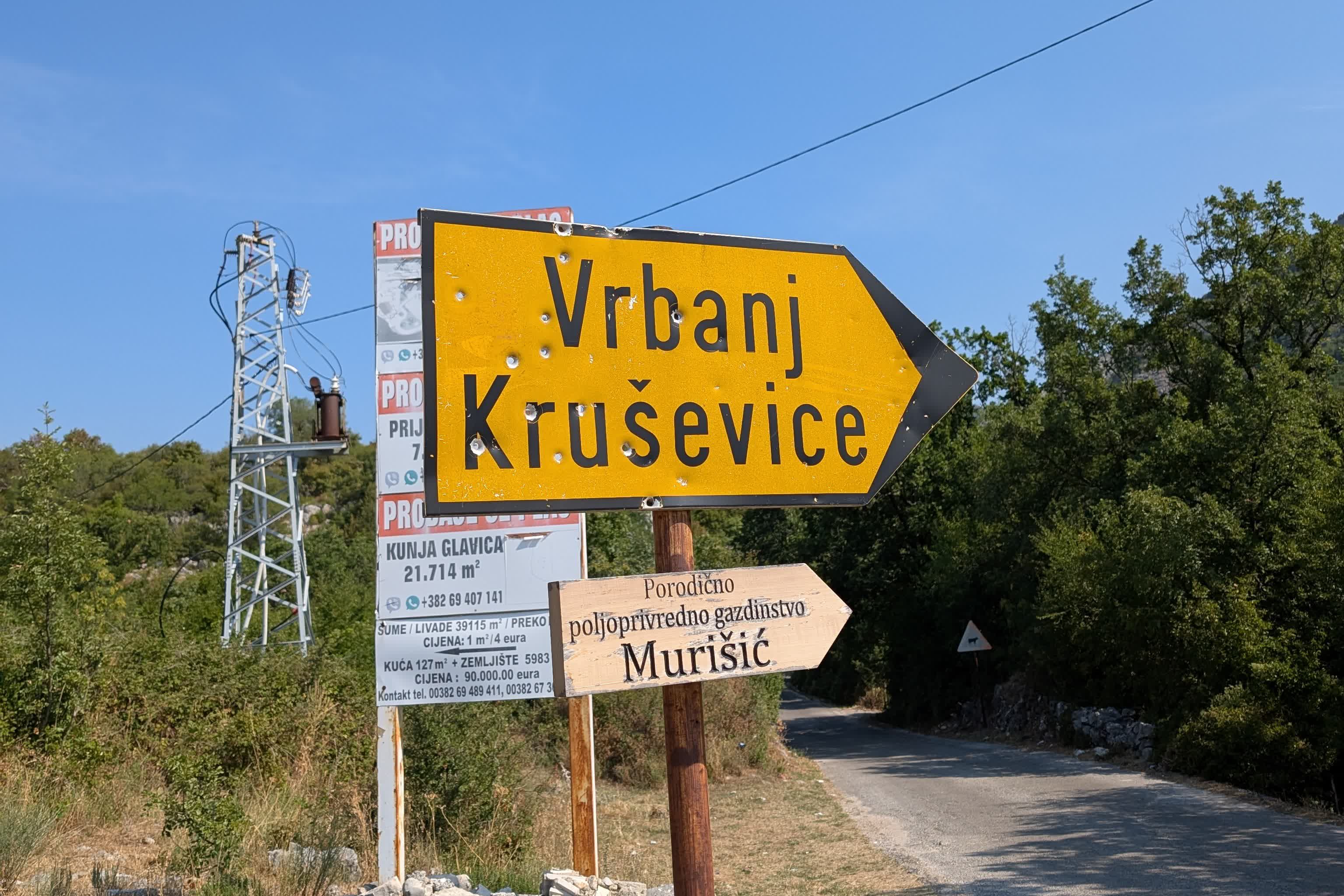
Bullet-riddled sign
Trebinje 
Trebinje was on my way from Montenegro to Mostar. It’s in Republika Srpska in Herzegovina.
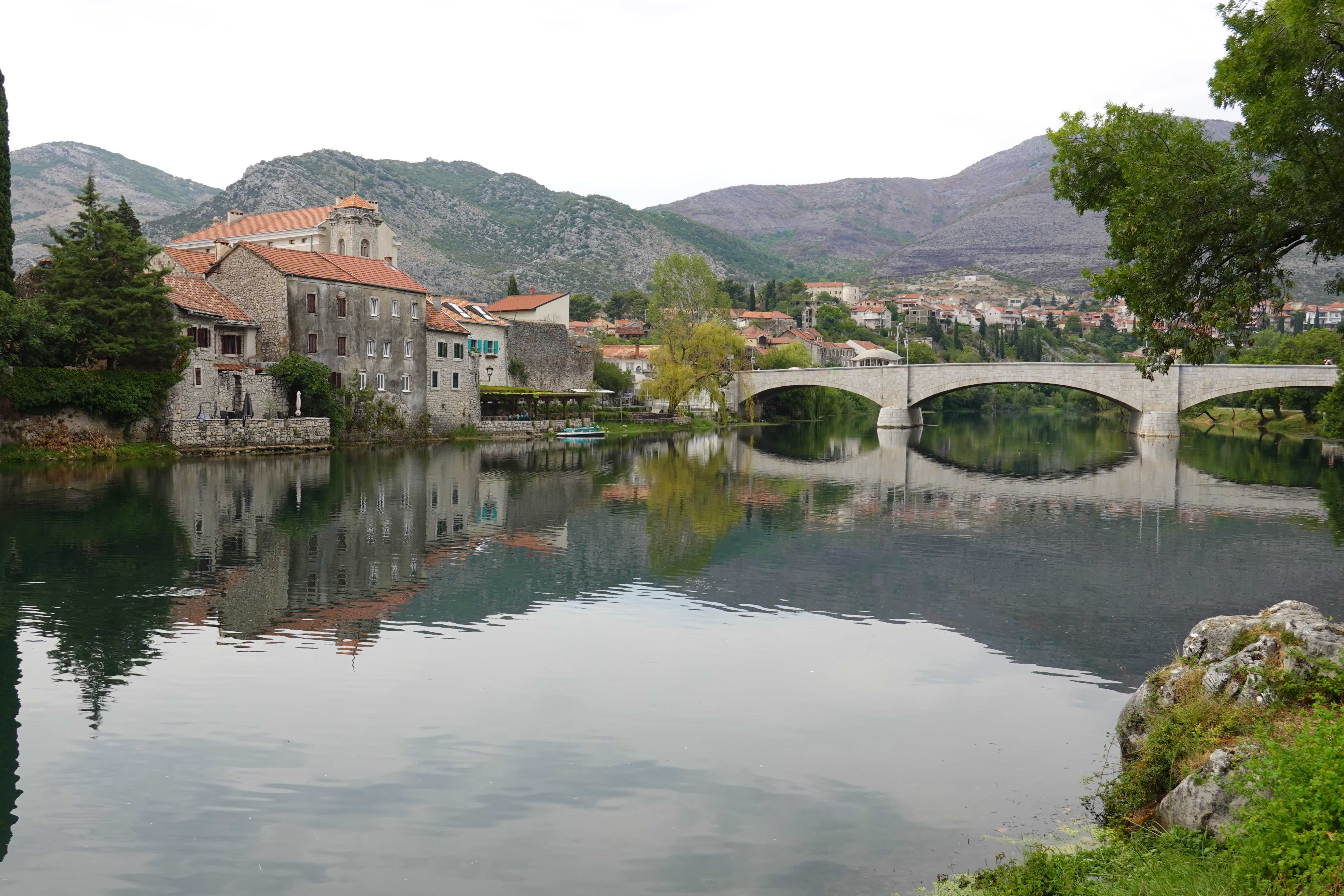
Bridge
Its streets are light-coloured. Towns like this feel soft and peaceful.
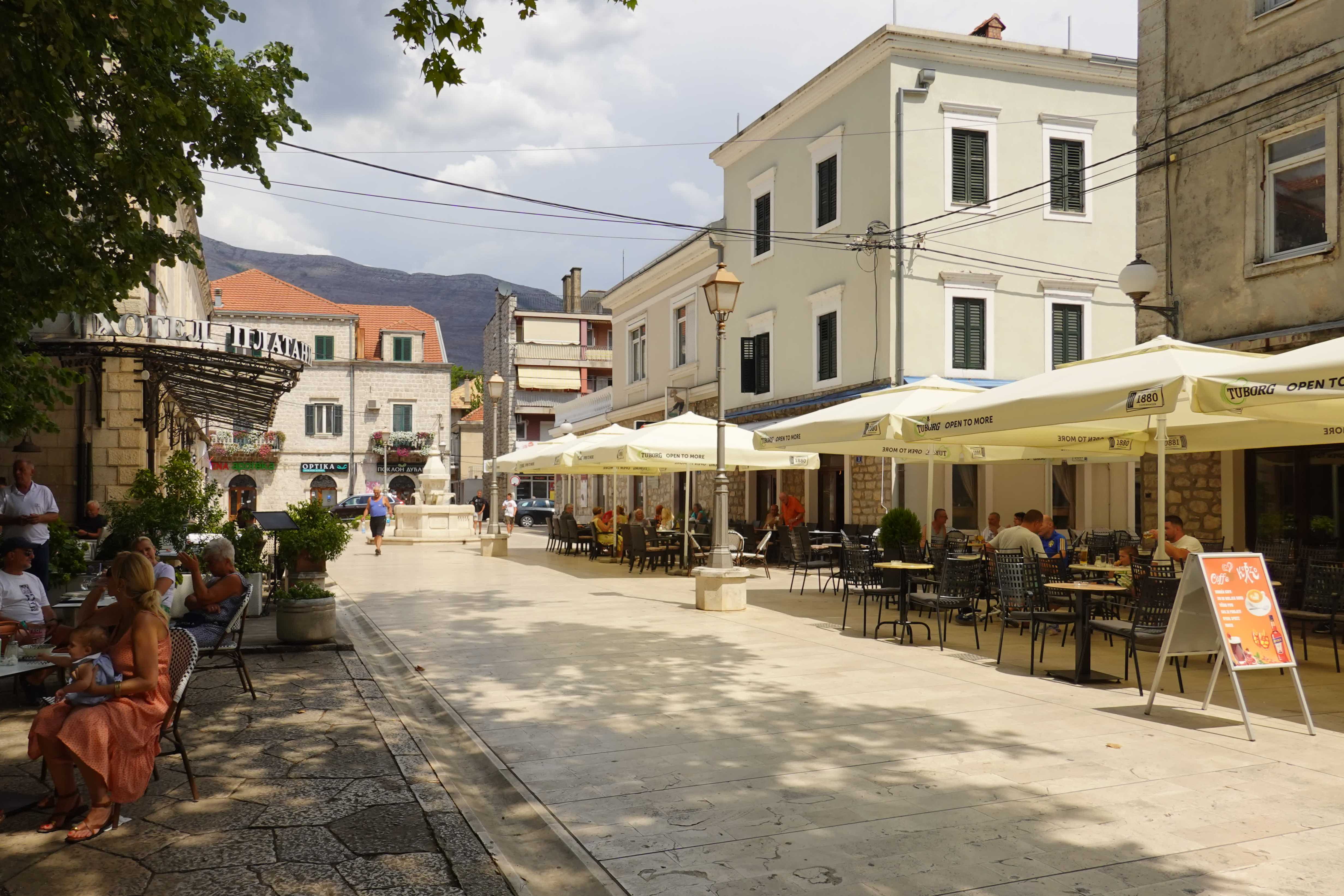
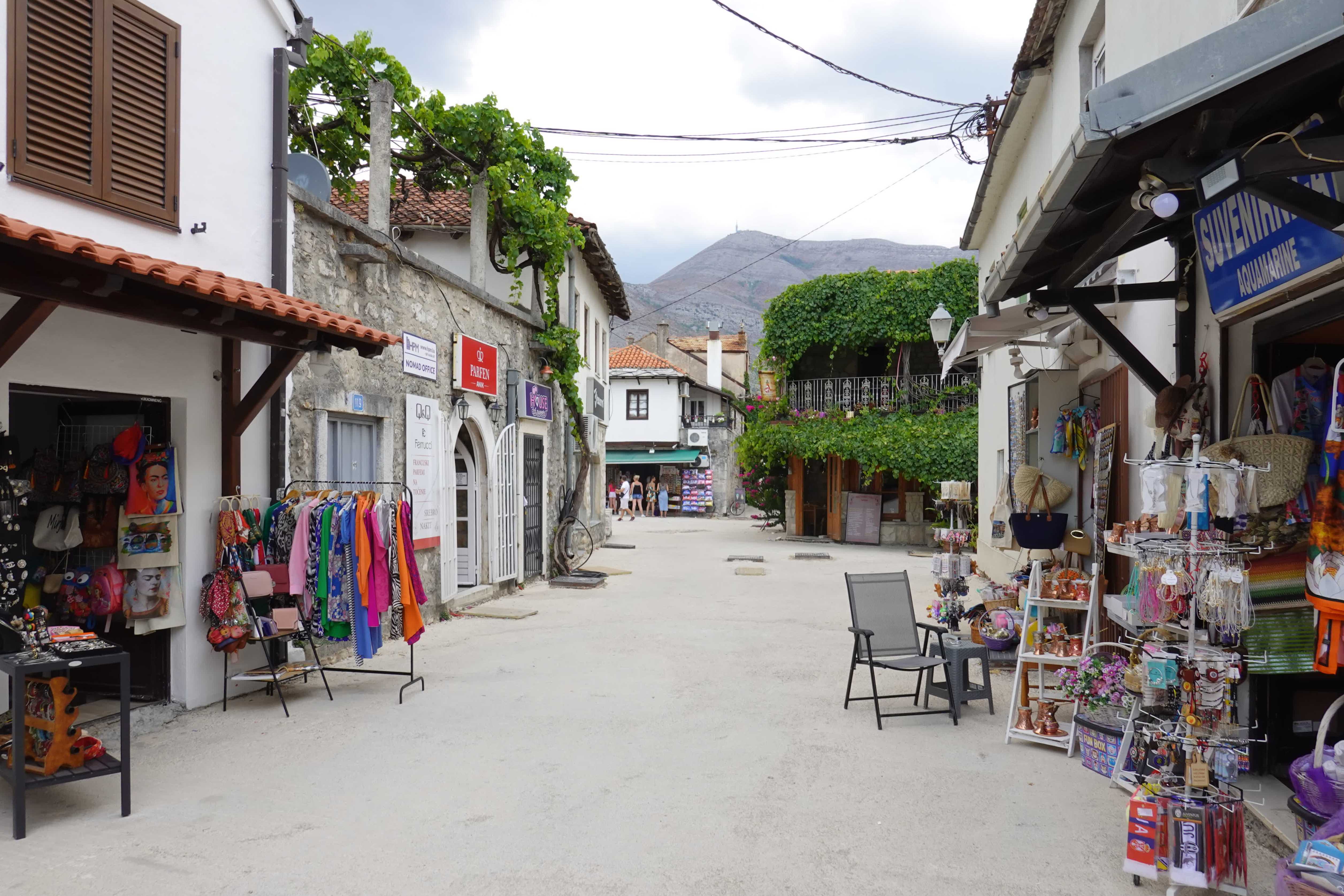
City centre with white streets
Politically charged graffiti is a big thing in the Balkans, maybe more so in the Serbian parts.
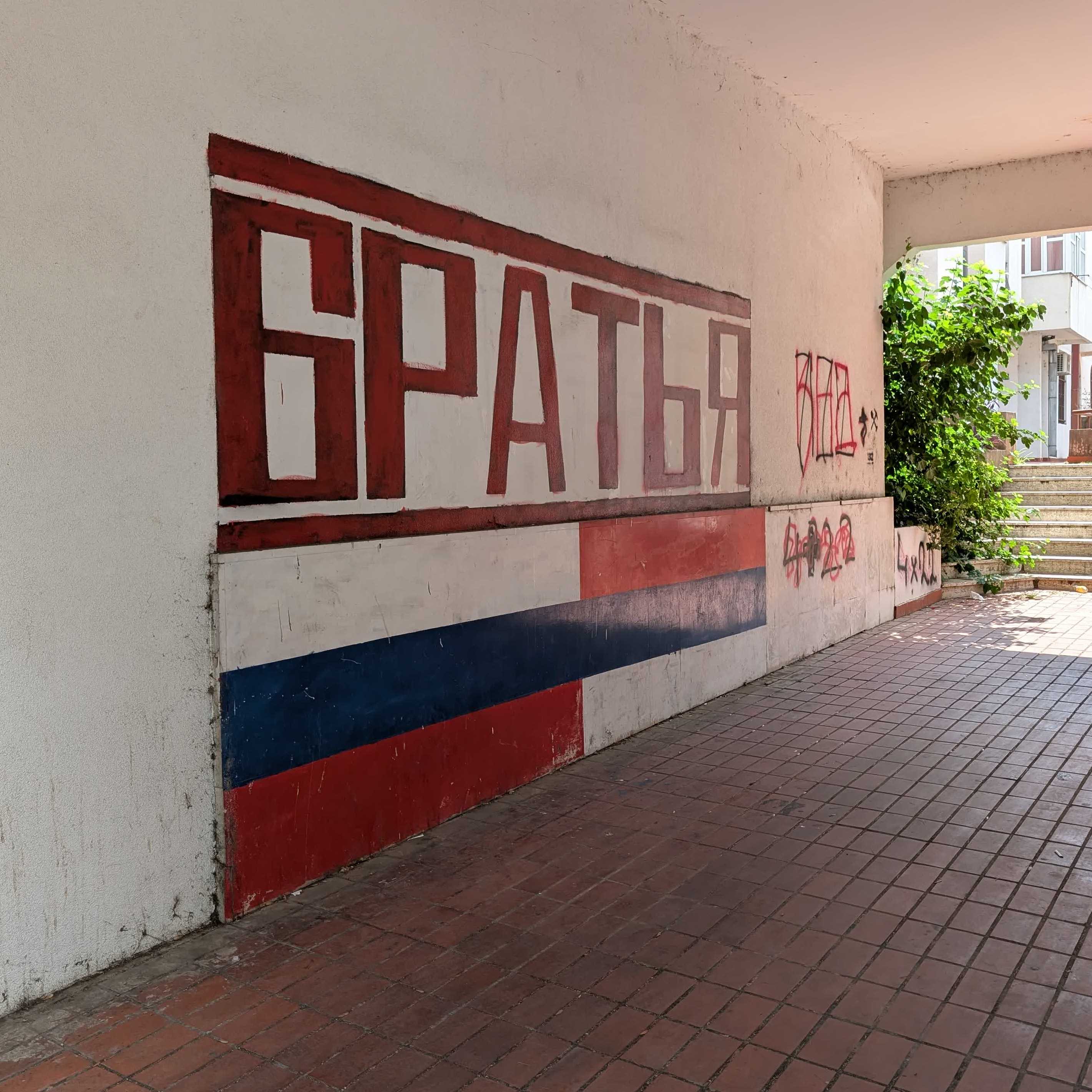
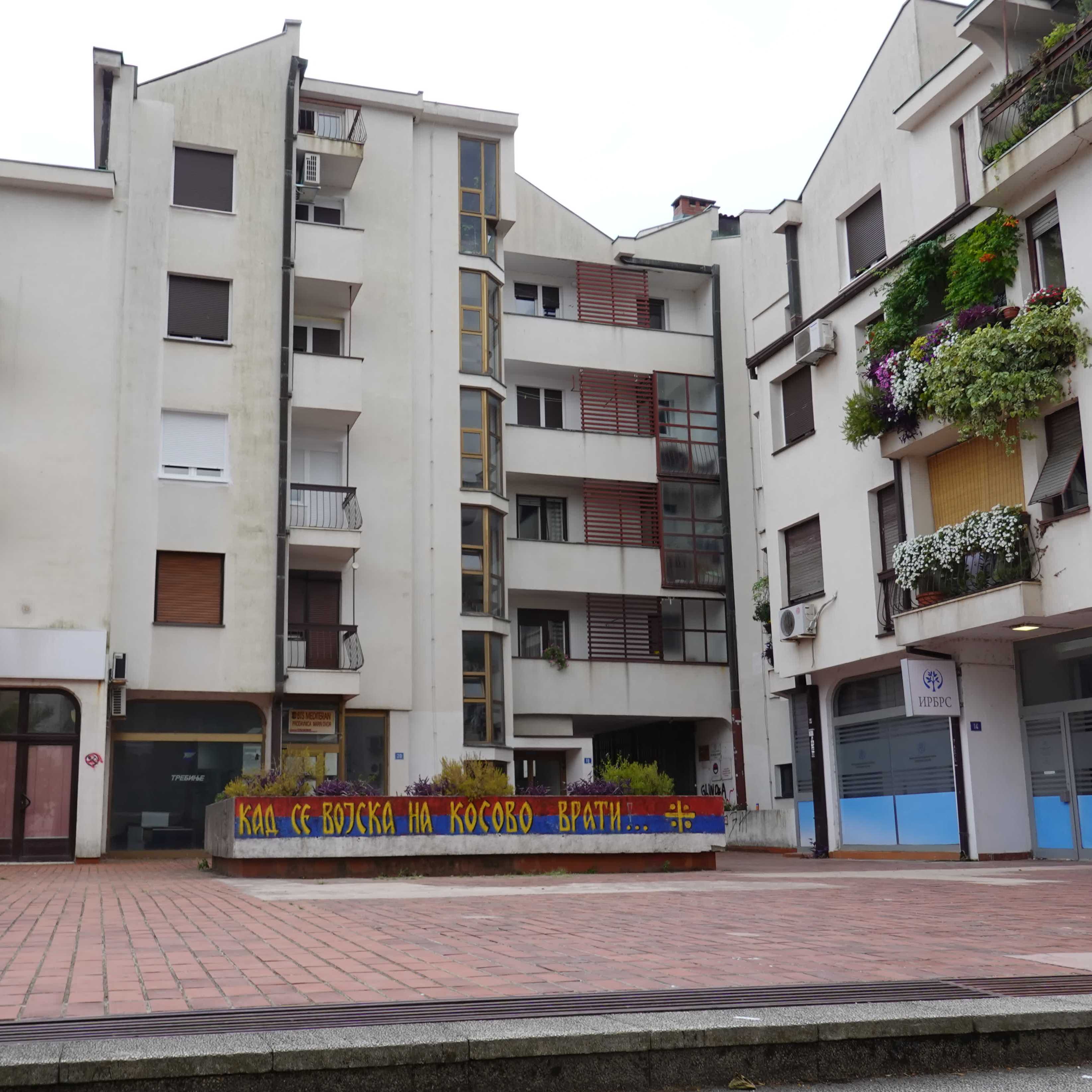
Graffiti
Mostar
I’ve added Mostar to my list of places with an unusually high number of Australians (other cities on the list include Fethiye and Himara). If someone knows the reason for this, please let me know.
I figured out that “most” means bridge, so I expected to see a bridge here. Indeed.
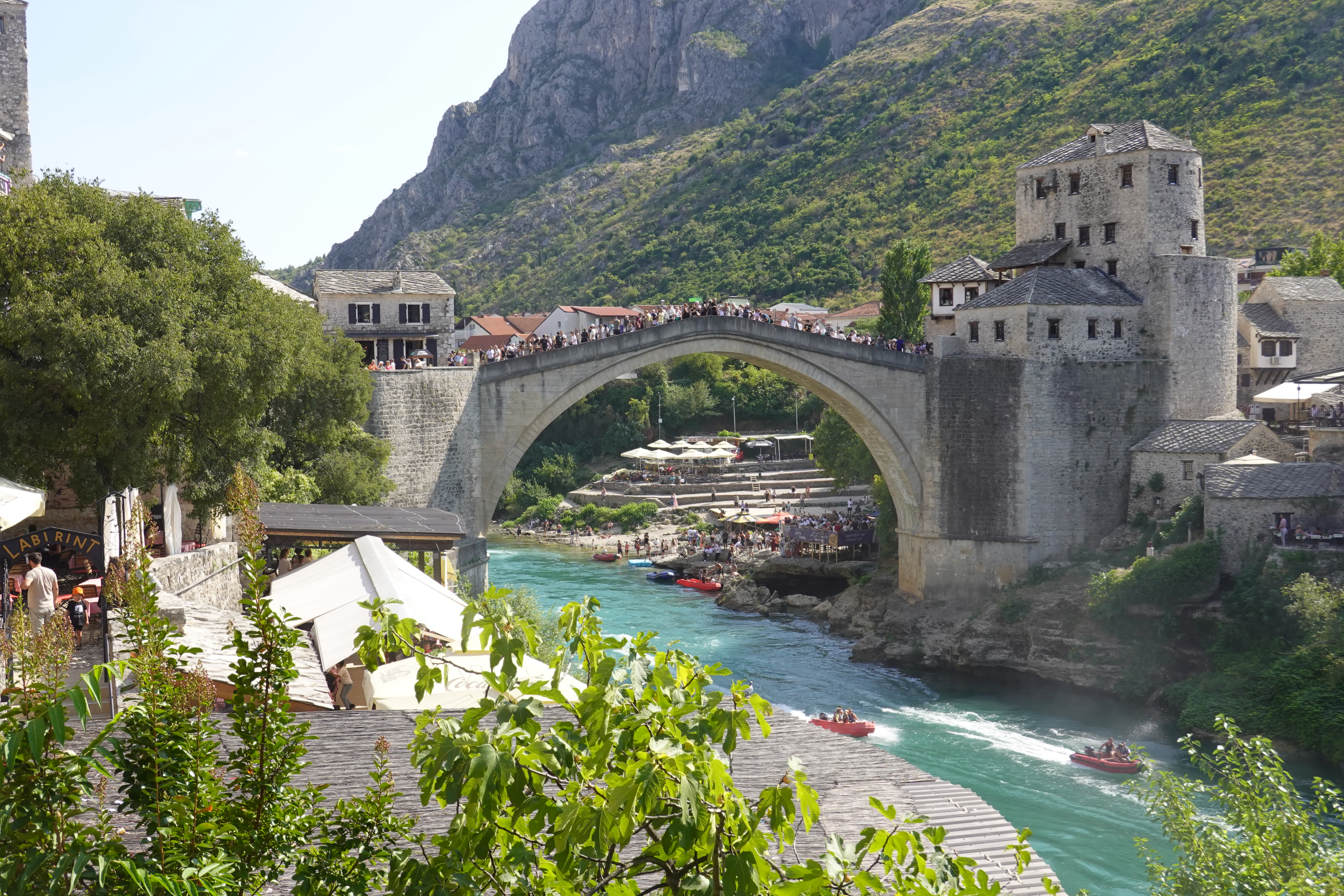
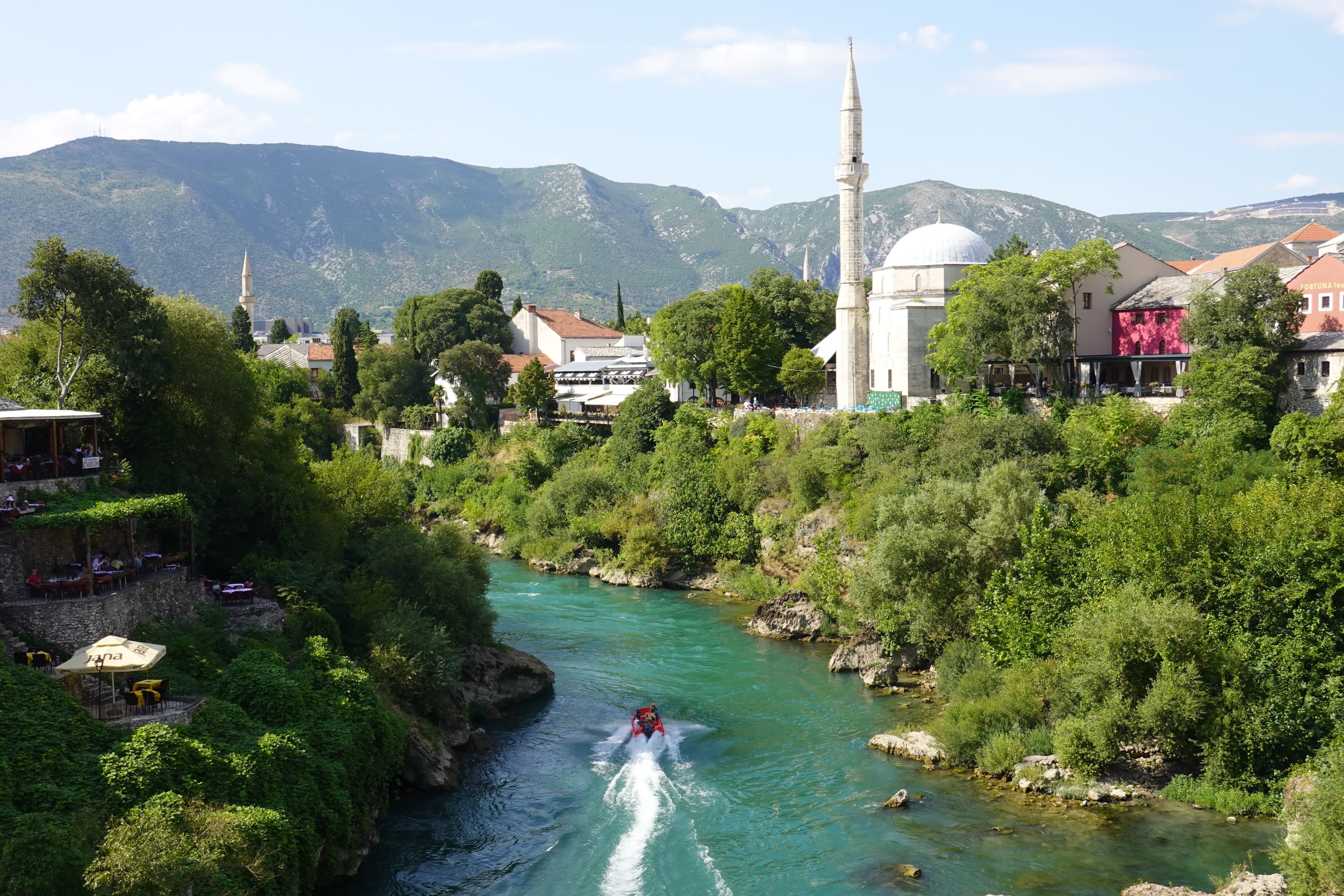
Famous Mostar bridge and river
The city centre is small, just one street. Other places are quite bleak with signs of war.
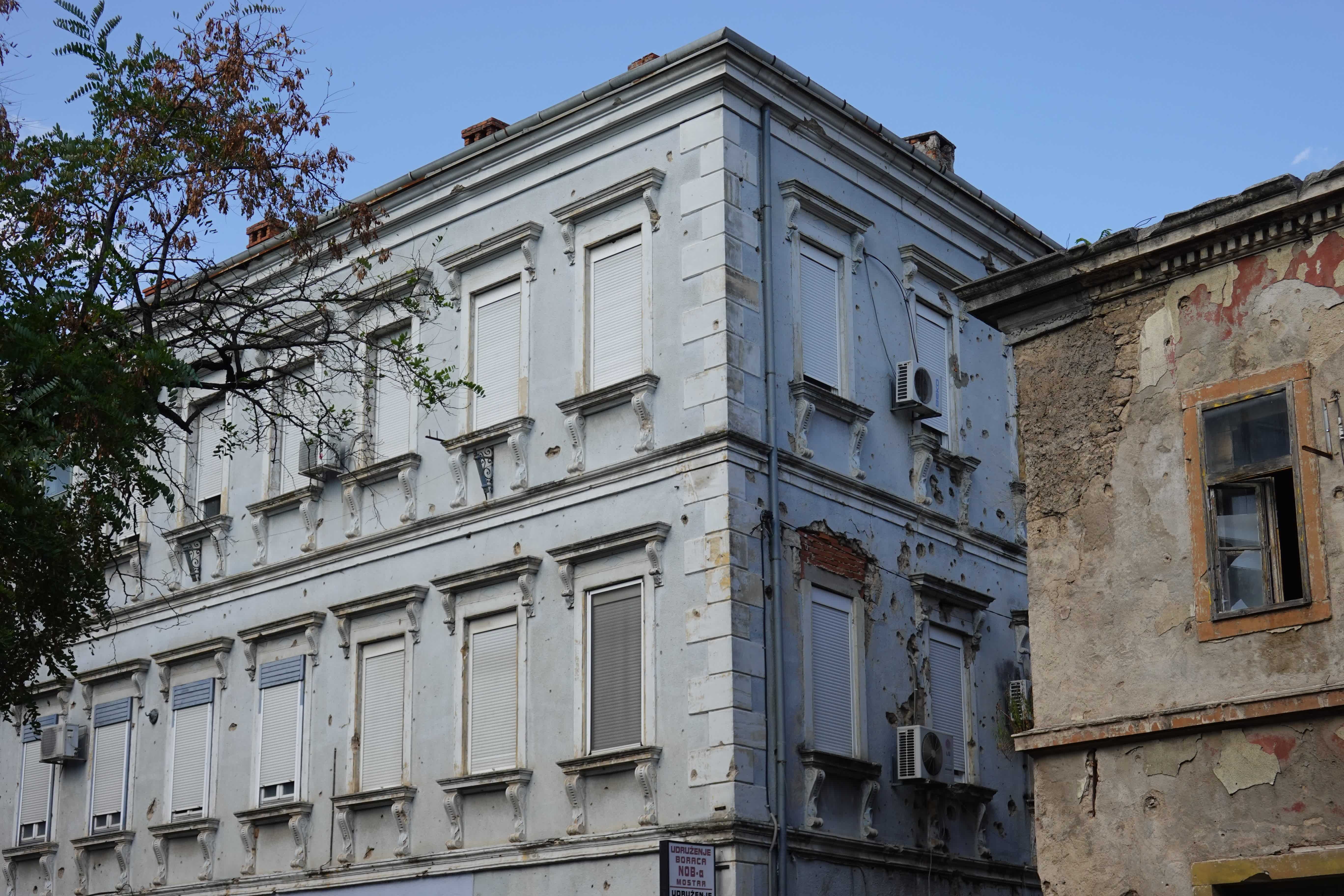
Damaged building
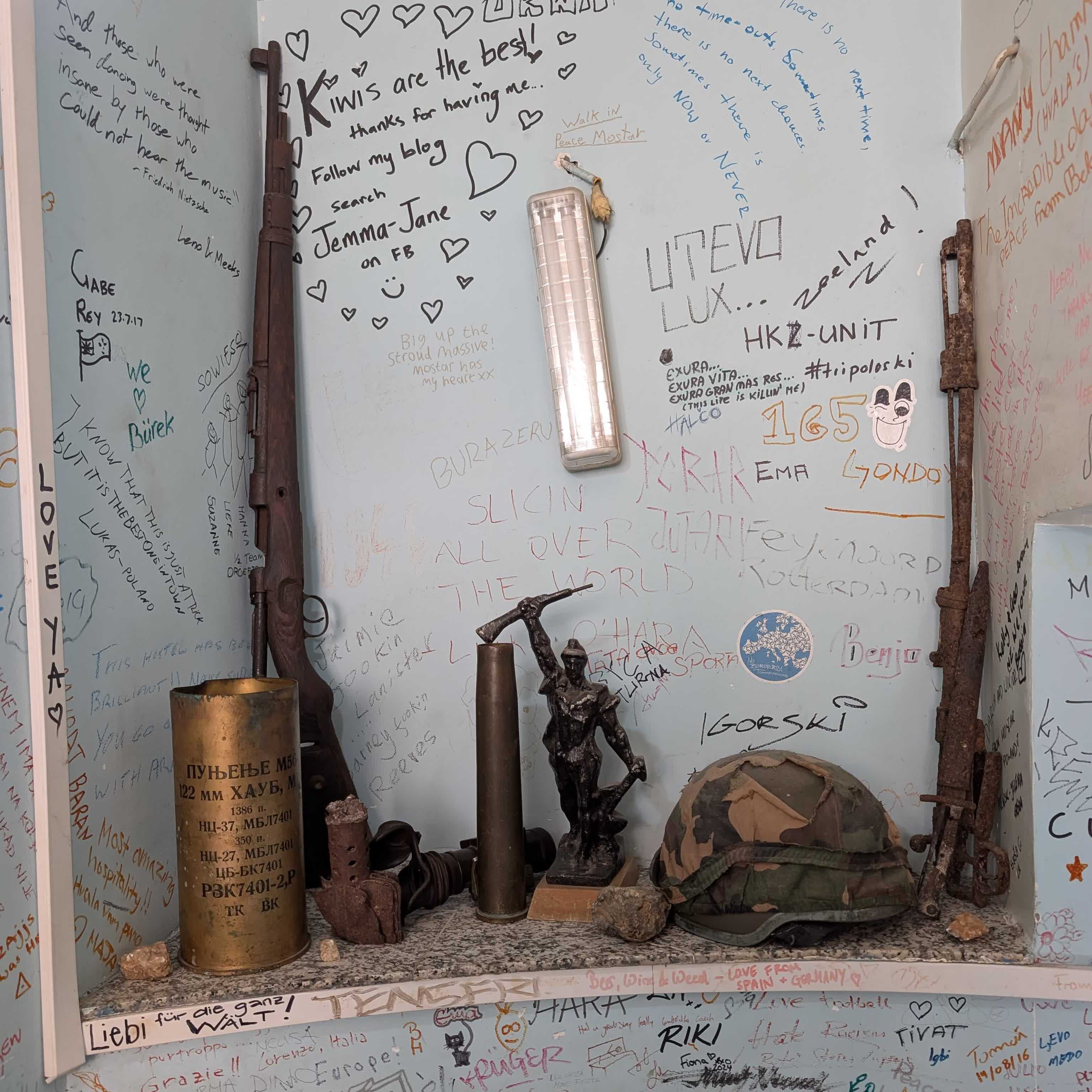
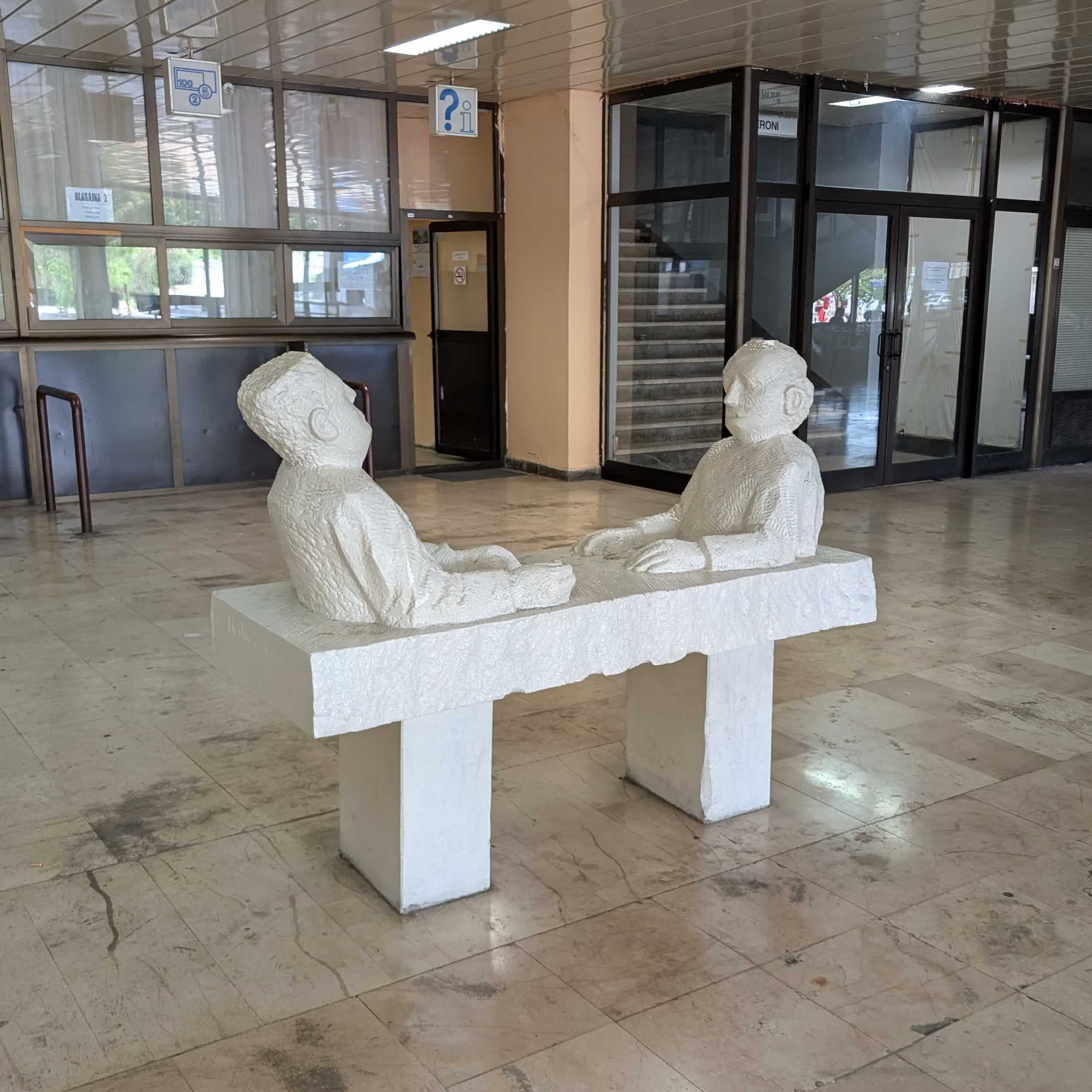
Glimpses of culture
By the way, have you heard of the Bosnian Pyramids?
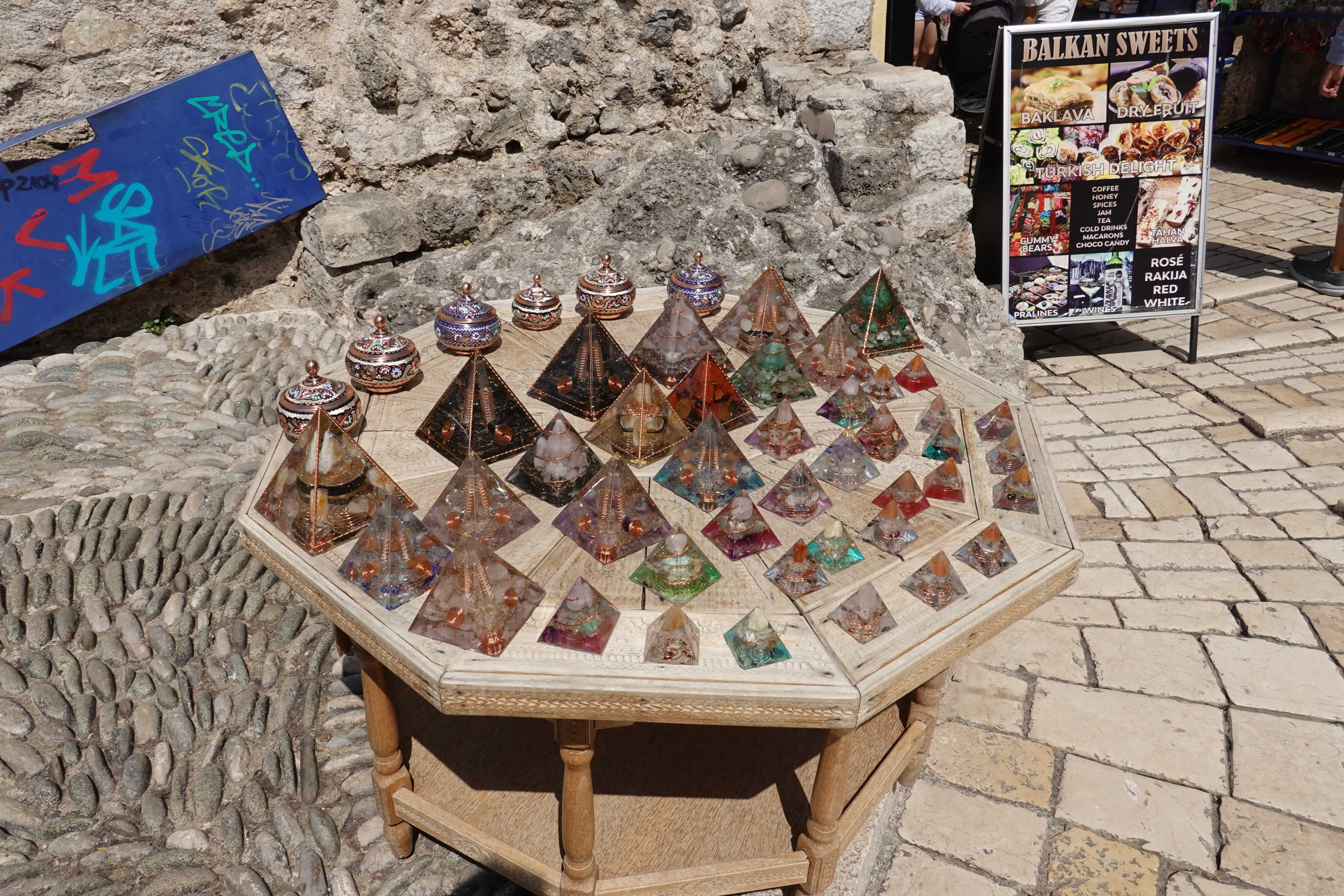
Pyramids
Sarajevo
Sarajevo was just fine.
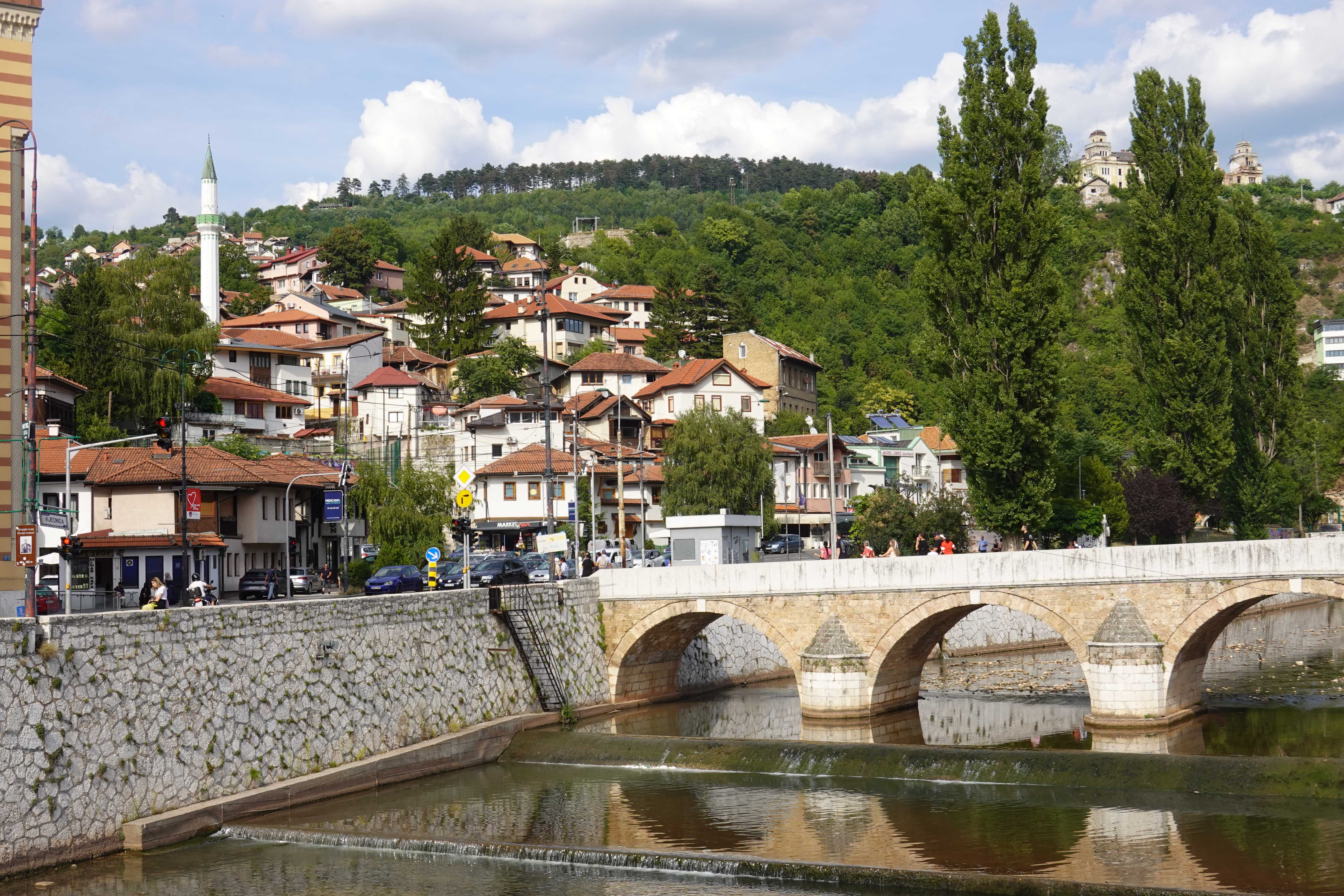
Bridge
There’s a clock tower that shows lunar time, where 12:00 means sunset.
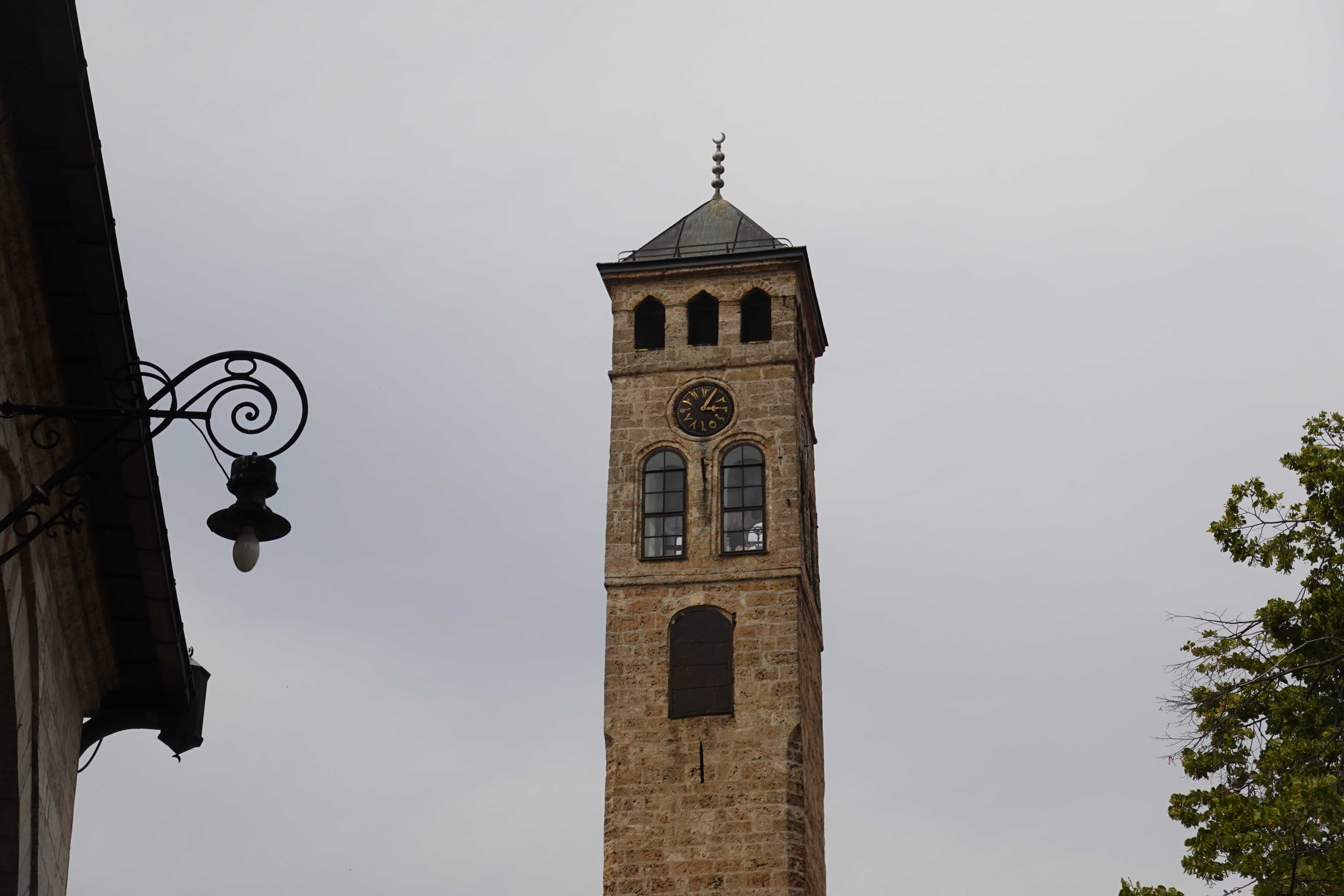
Lunar clock
Sarajevo remembers the war.
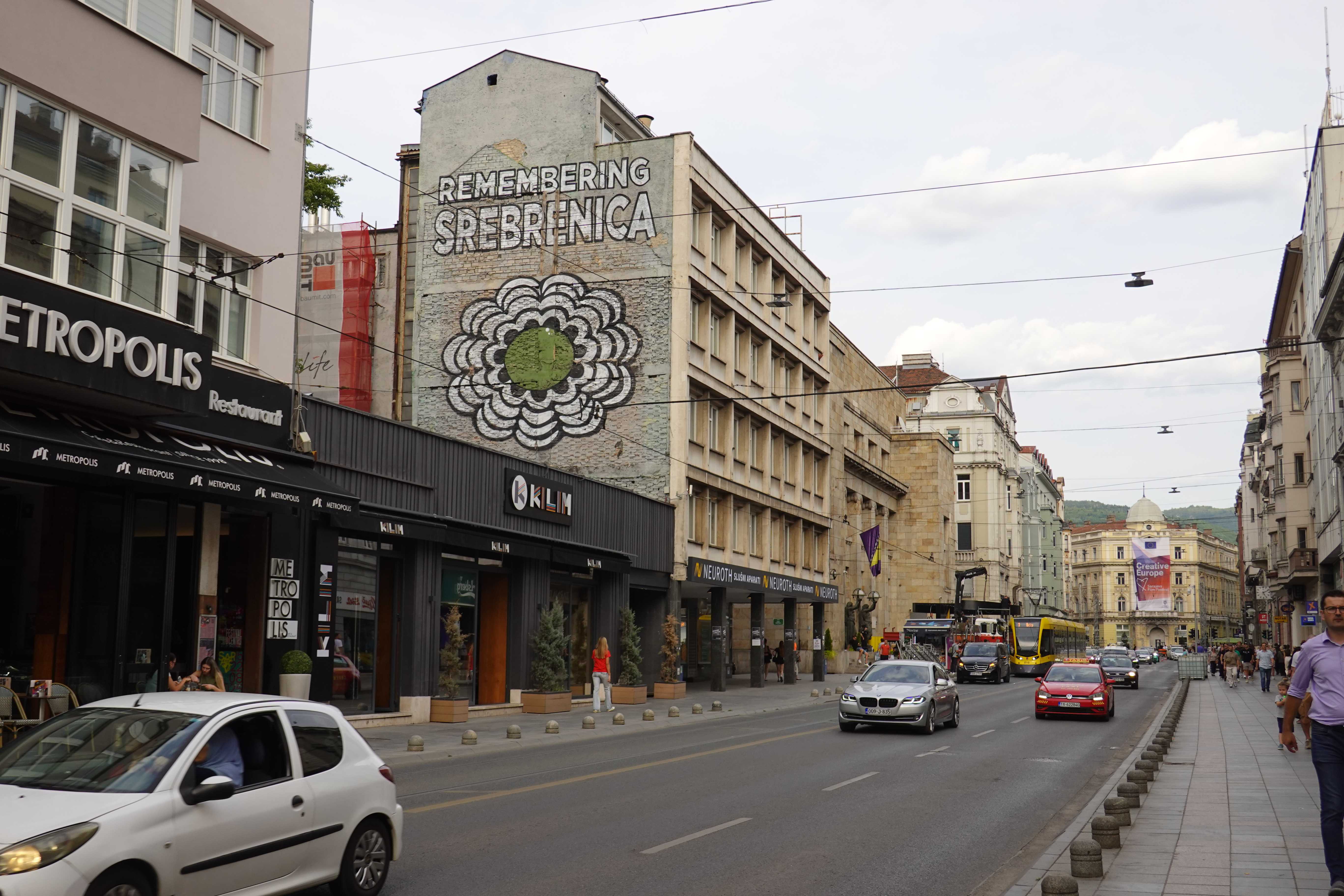
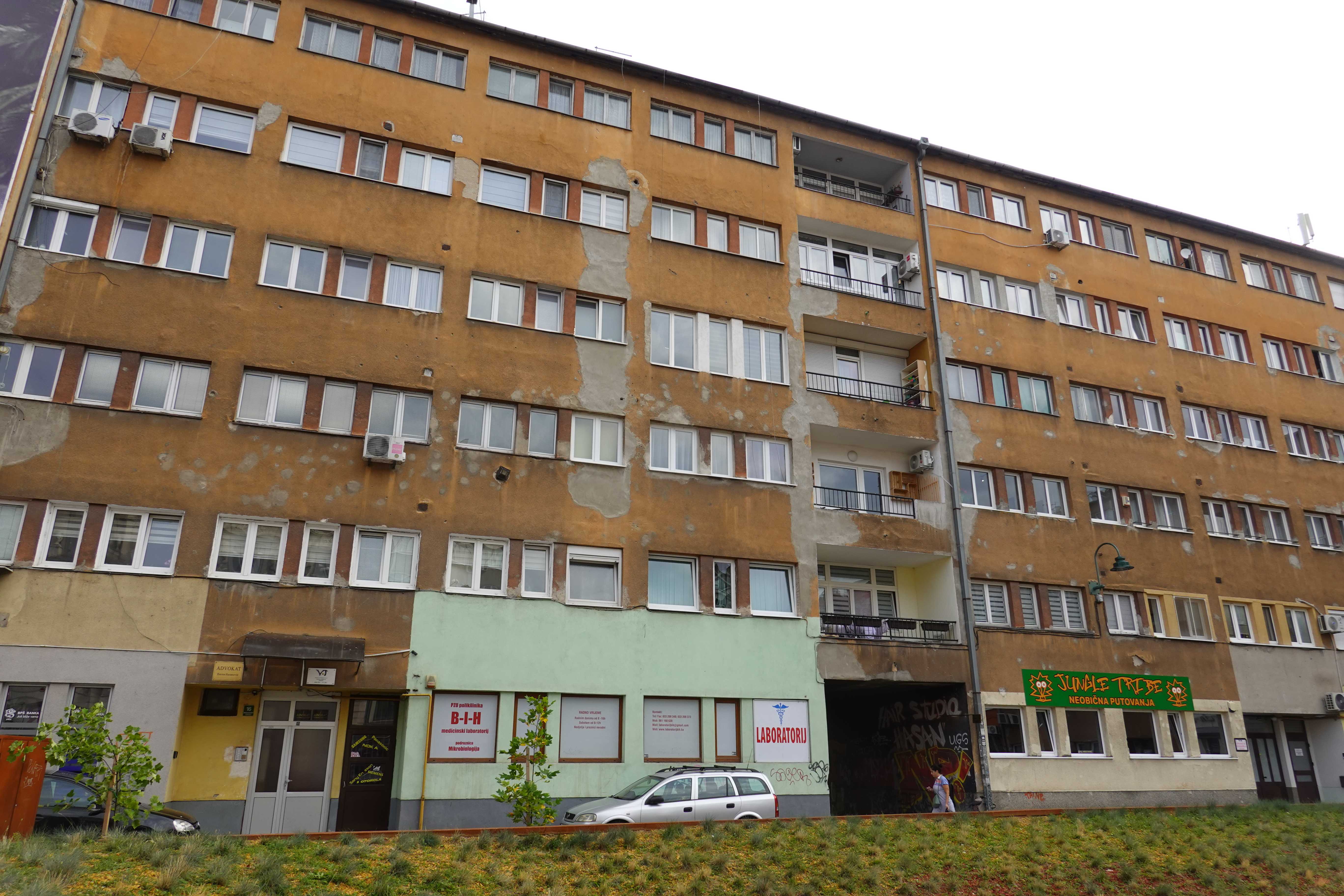
Marks of the war
Banja Luka
I’ve got nothing to show from Banja Luka. I was surprised how few landmarks there are in the city, given it’s the second biggest by population in the country and the capital of Republika Srpska. It’s just a city. Why did I come here? I had a flight.
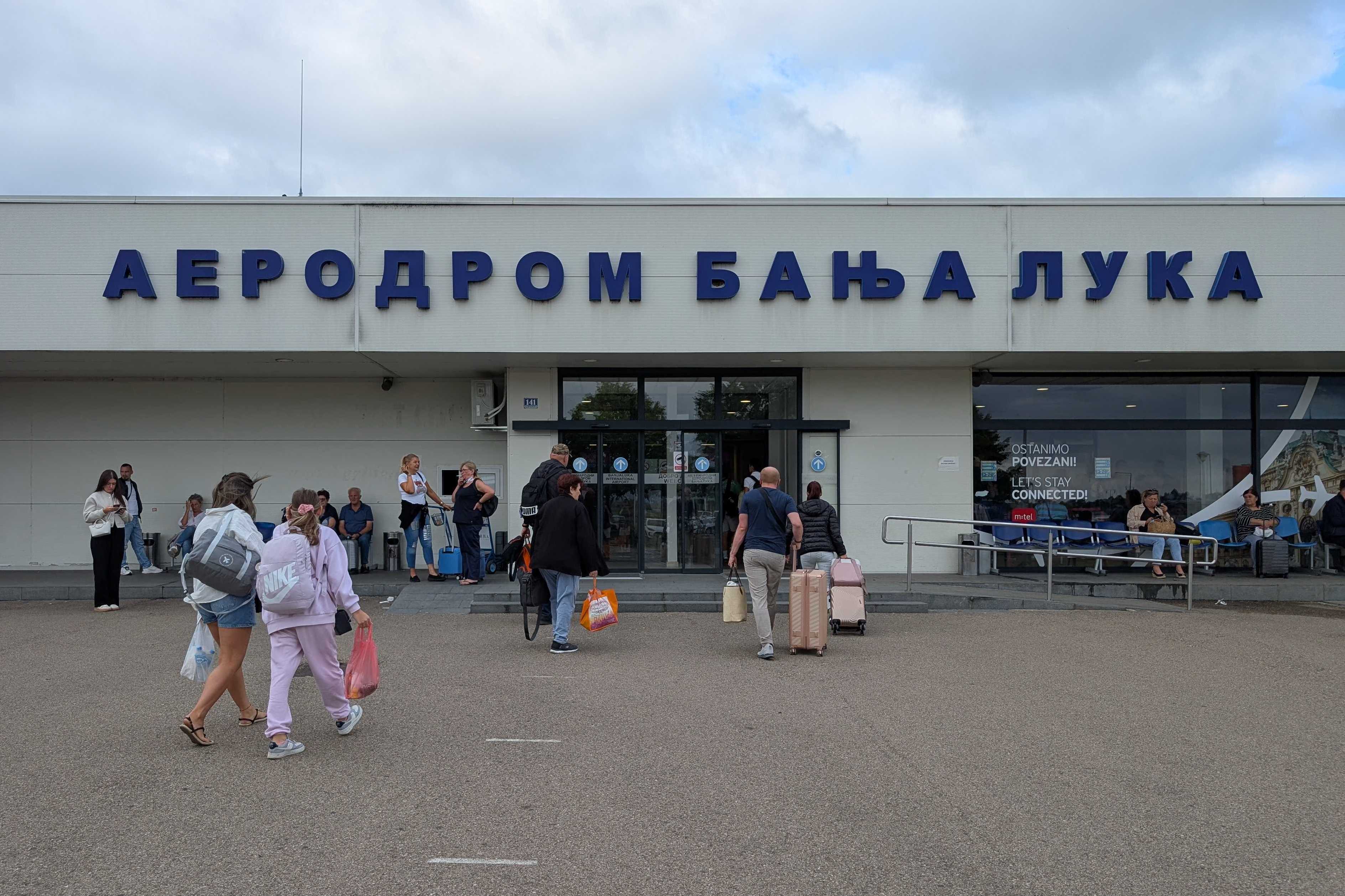
Banja Luka airport
I ended up visiting four cities: Trebinje, Mostar, Sarajevo and Banja Luka. Which means I’ve visited all geographical and political combinations (Bosnia/Herzegovina x Federation/Srpska). Nice!