Trieste
Trieste is an unusual city in Italy.
After WW2, the New Yorker of 1946 described the situation as follows, in an early Cold War fashion:
In a ravaged Adriatic borderland, Italians, Slavs, and Soviets struggle over a symbolic port that could open Europe to Russia.
So it became The Free Territory of Trieste. After it dissolved in 1954, its Zone A went to Italy and Zone B was split between Slovenia and Croatia.
The Grand Canal used to be a bit longer. Just a bit. I wish it reached Slovenia.
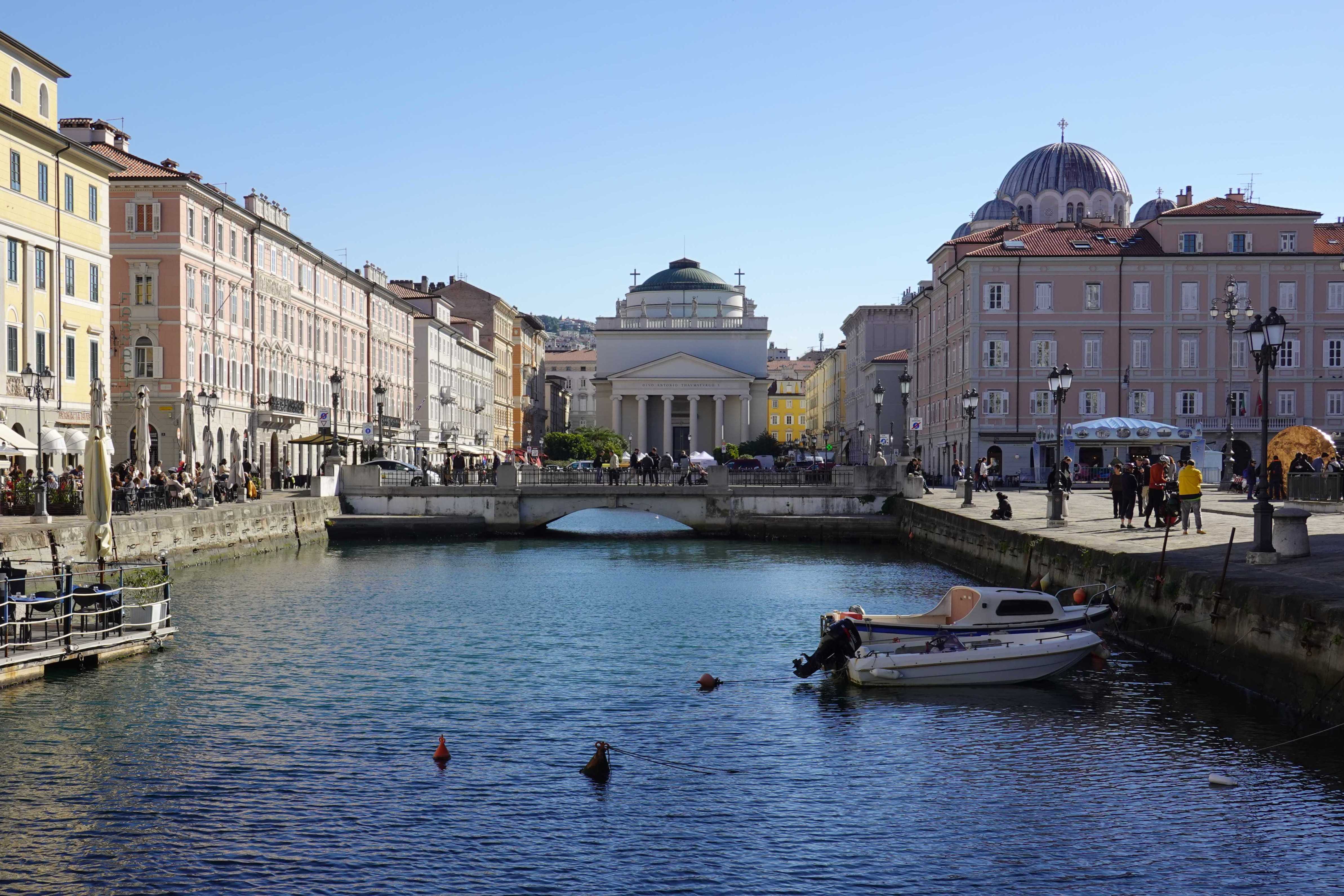
Grand Canal
Just by the canal sits a Serbian Orthodox church. The outside inscriptions are in Church Slavonic, familiar for me but unexpected to see in Italy.
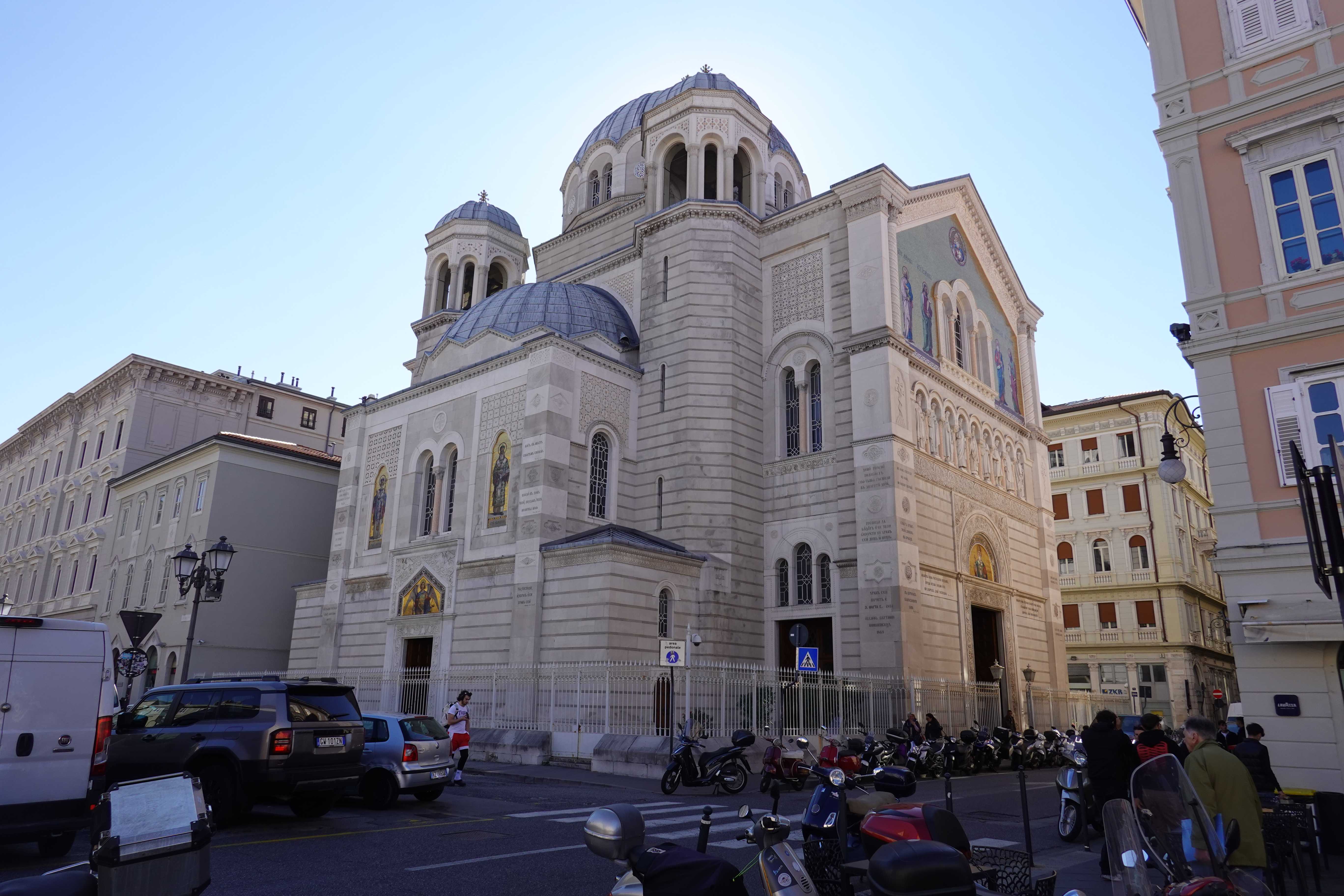
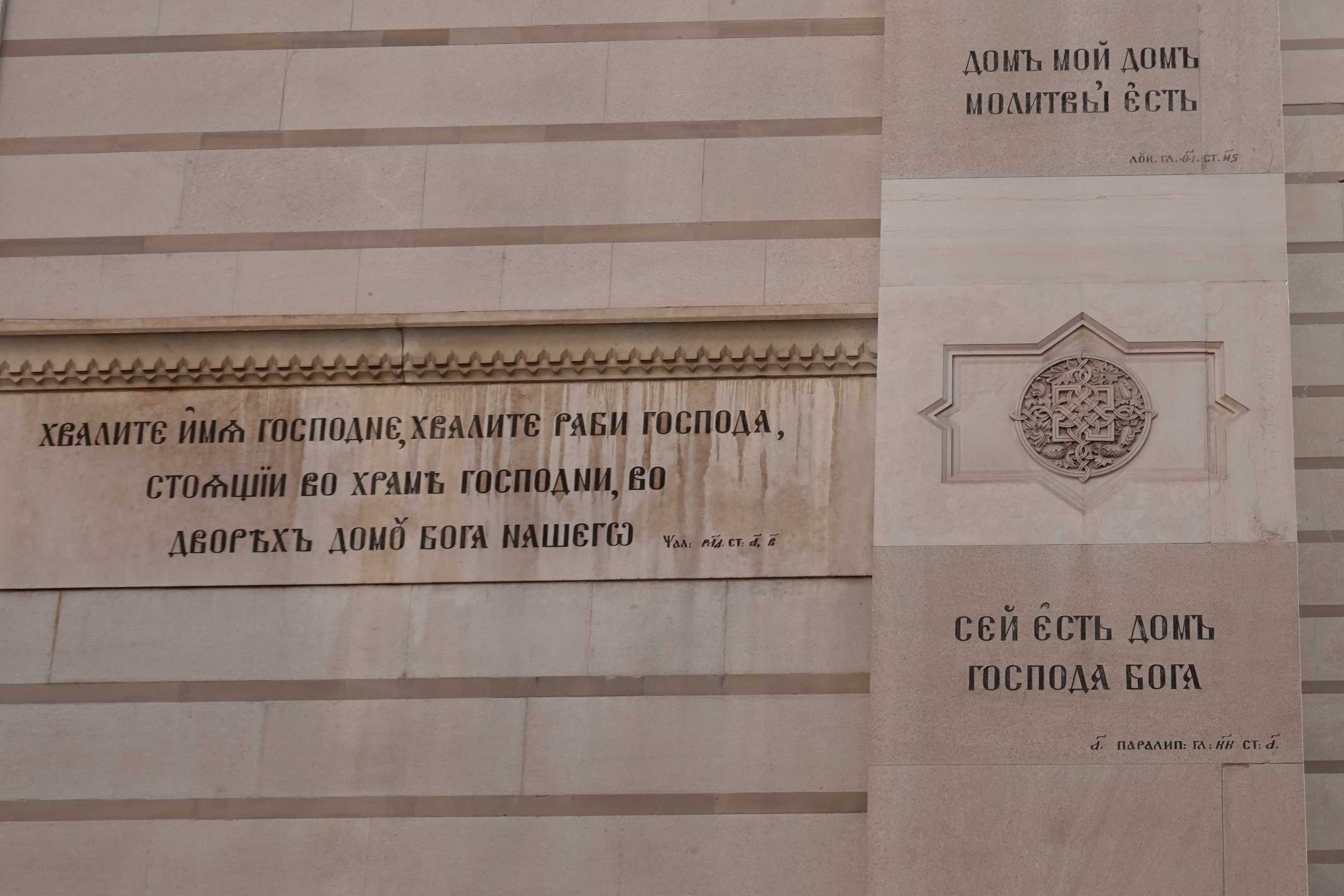
Saint Spyridon Serbian Orthodox Church
The city’s cathedral is in an unexpected style: Romanesque and Gothic outside, while the mosaics inside lean East. It would’ve been hard to guess where this place was.
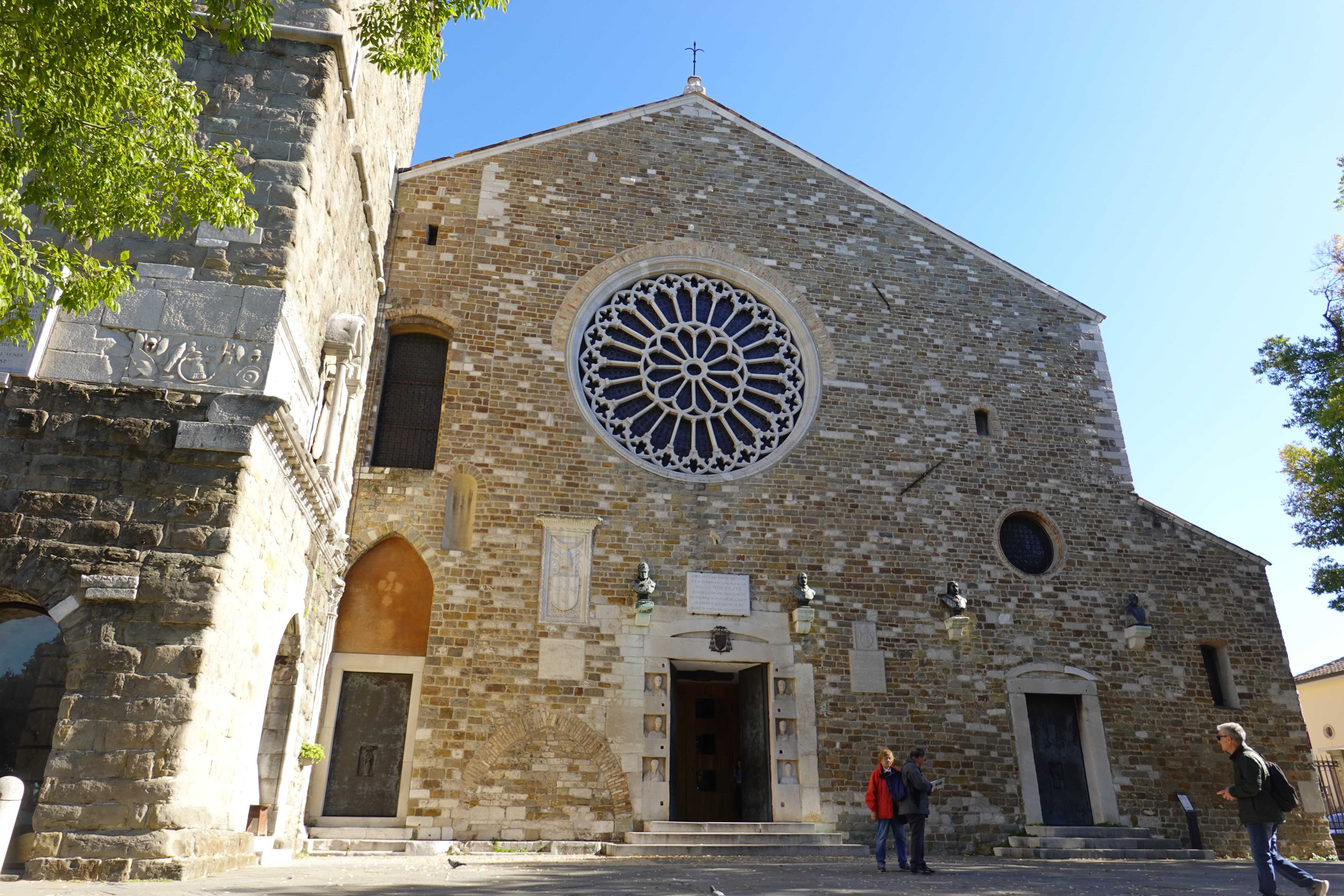
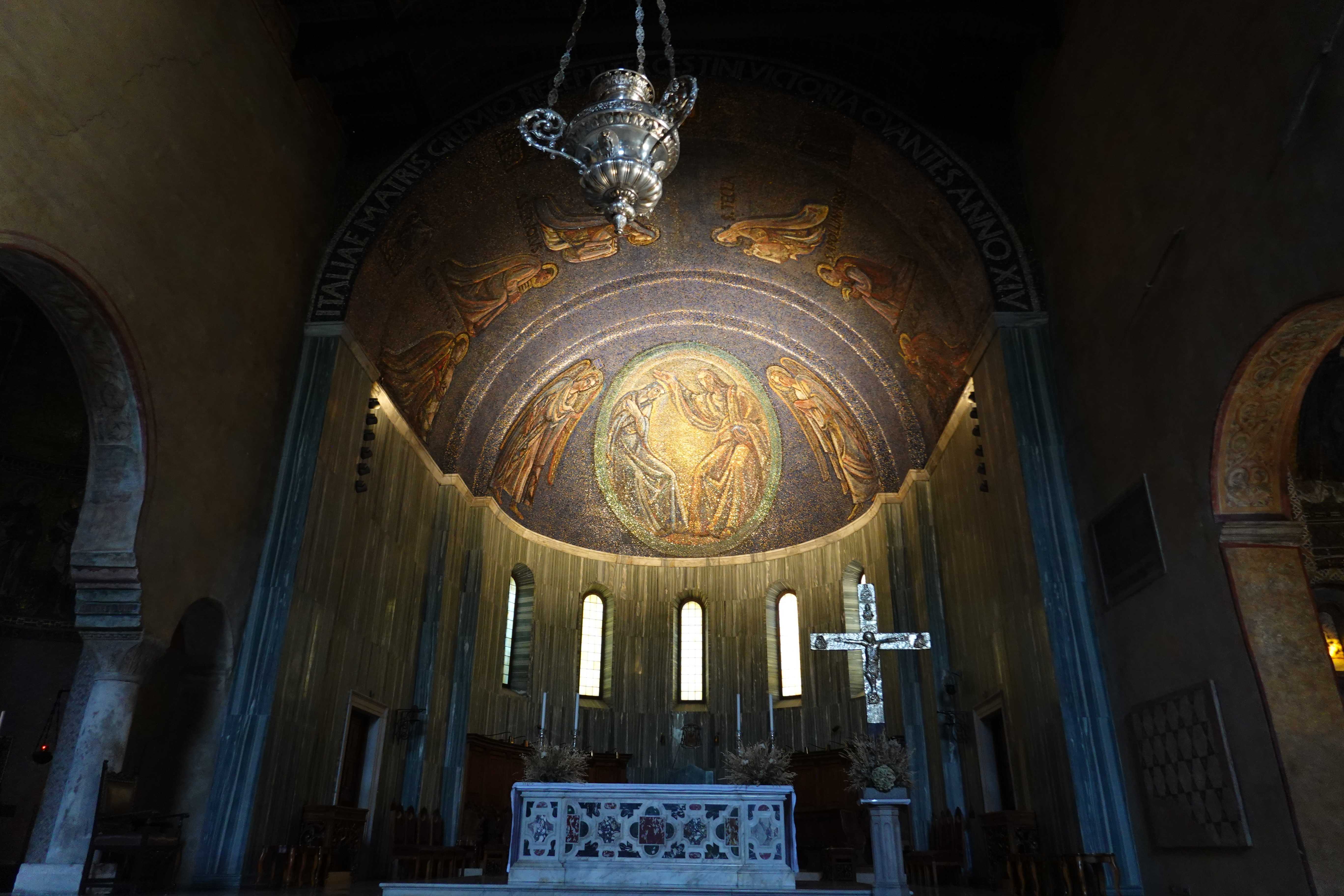
Cathedral
The crown above the street shrine recalls Austro-Hungary.
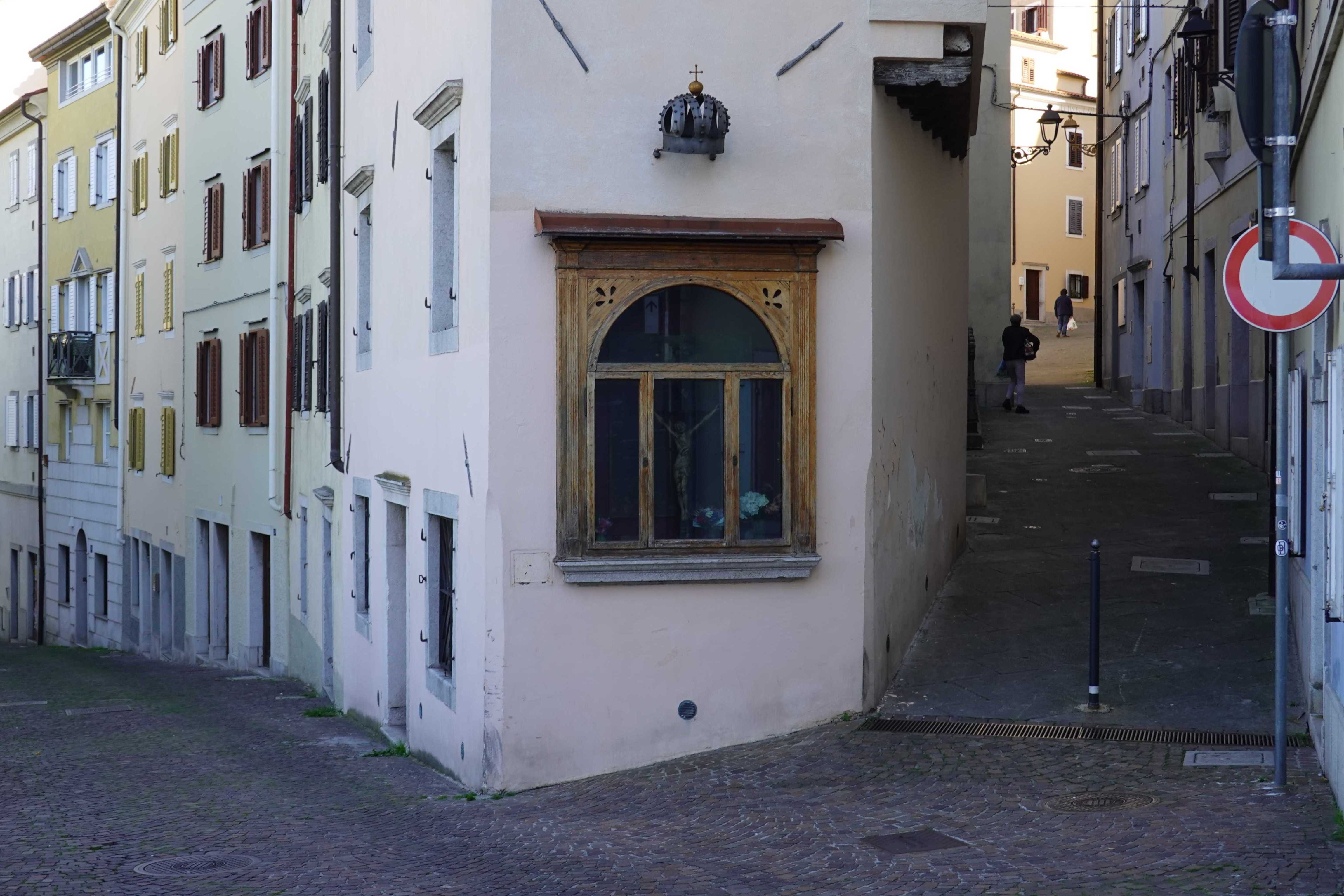
Shrine with a crown
Other things recall the Romans.
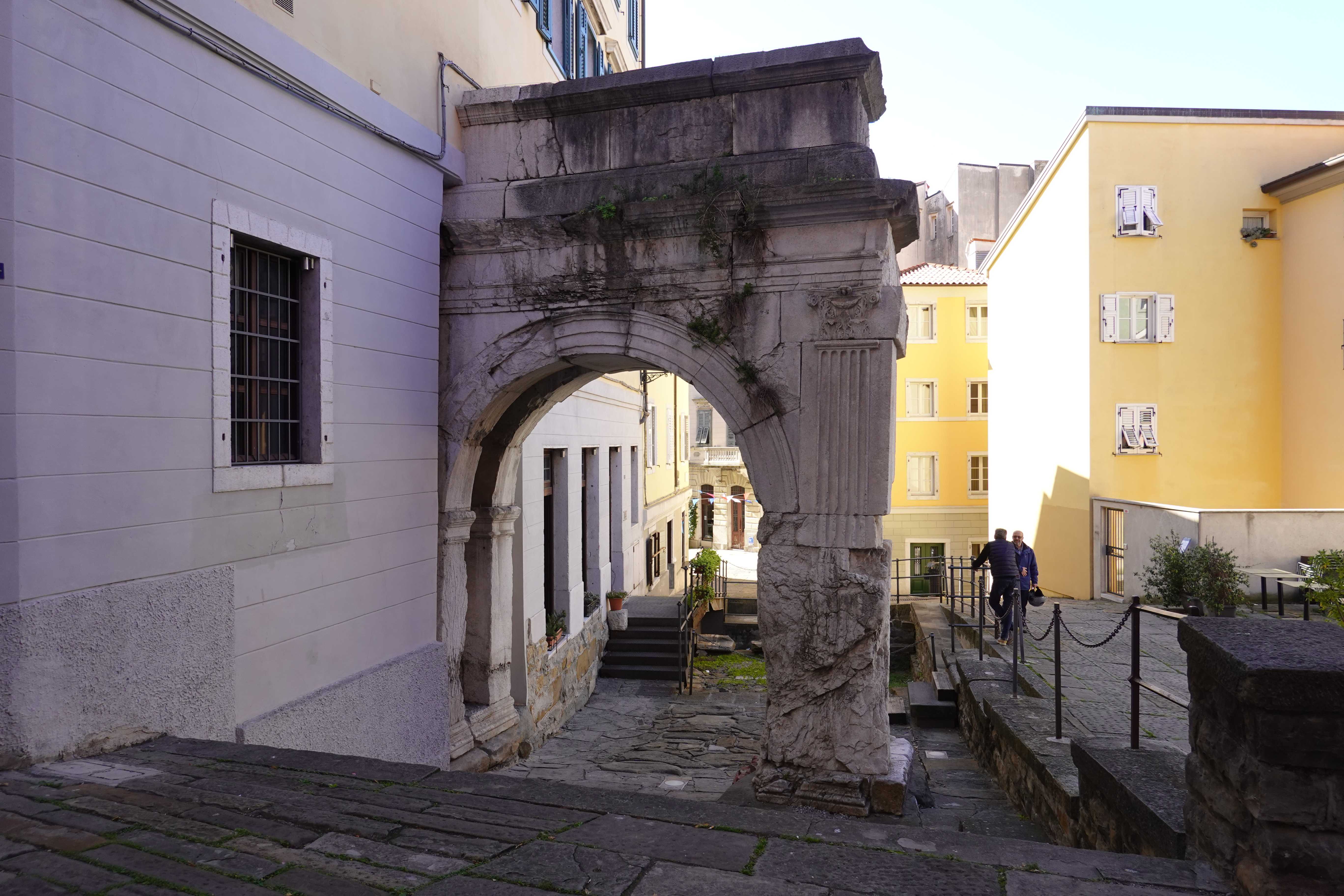
Arco di Riccardo
Many corners of the city are cute and quiet.
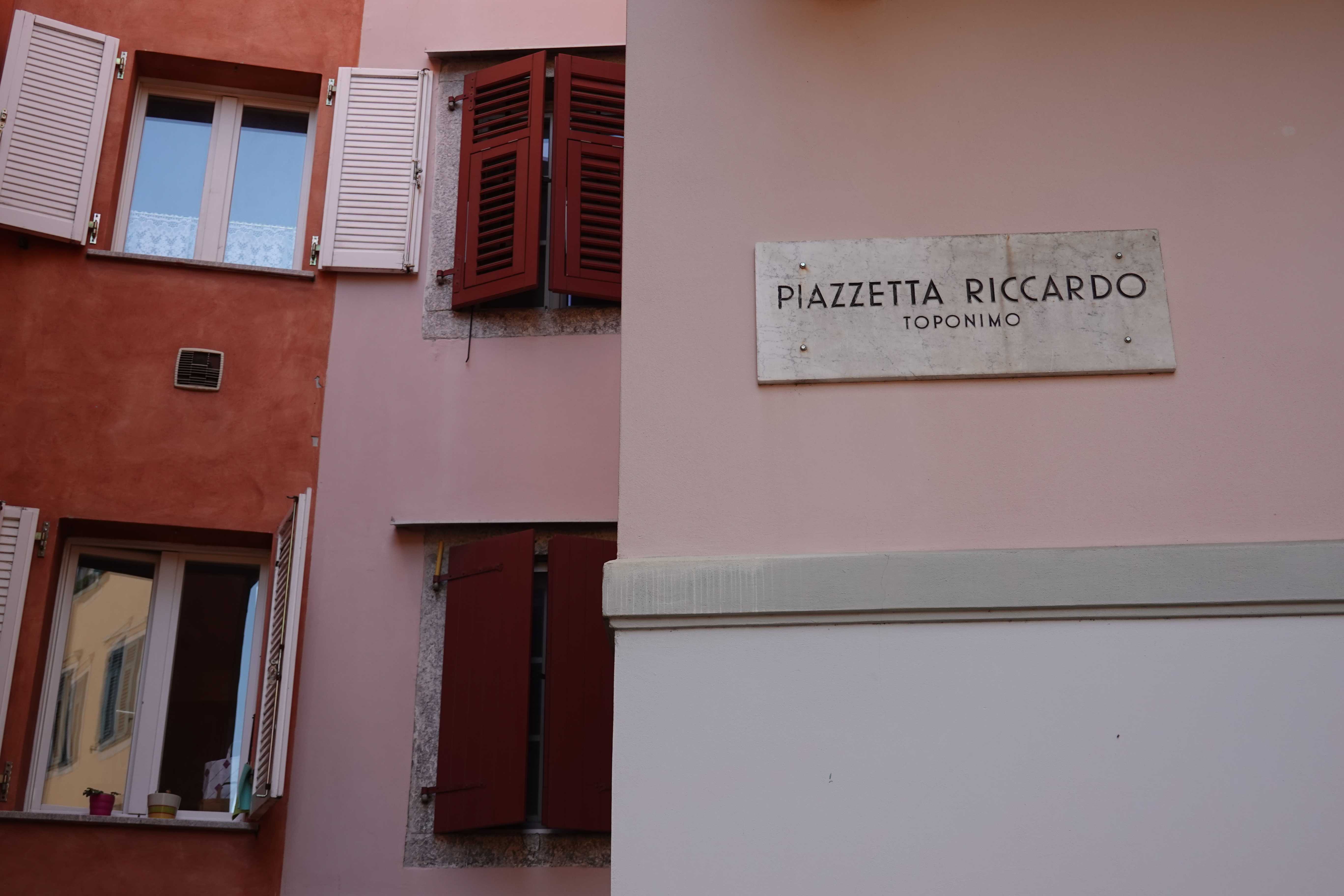
Windows
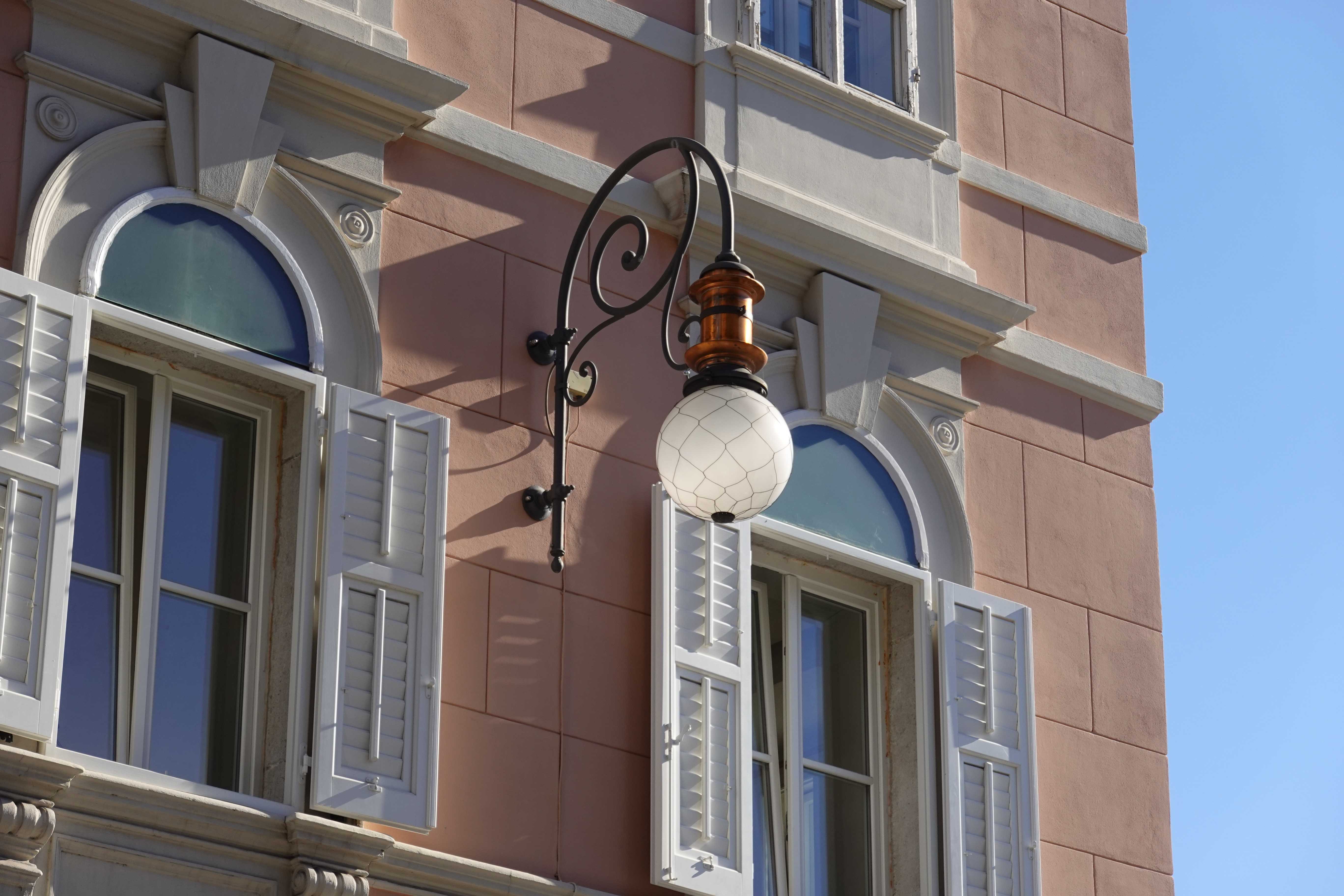
The street lights are covered in fishnets. Looks sexy.
Street lights
Trieste, I think we are similar, actually. I also lived in different countries. Anyway, I wanted to say that…
Ah, what’s that noise? Sounds like a distressed big animal, doesn’t it? What is it, a dying whale? Oh, nevermind.
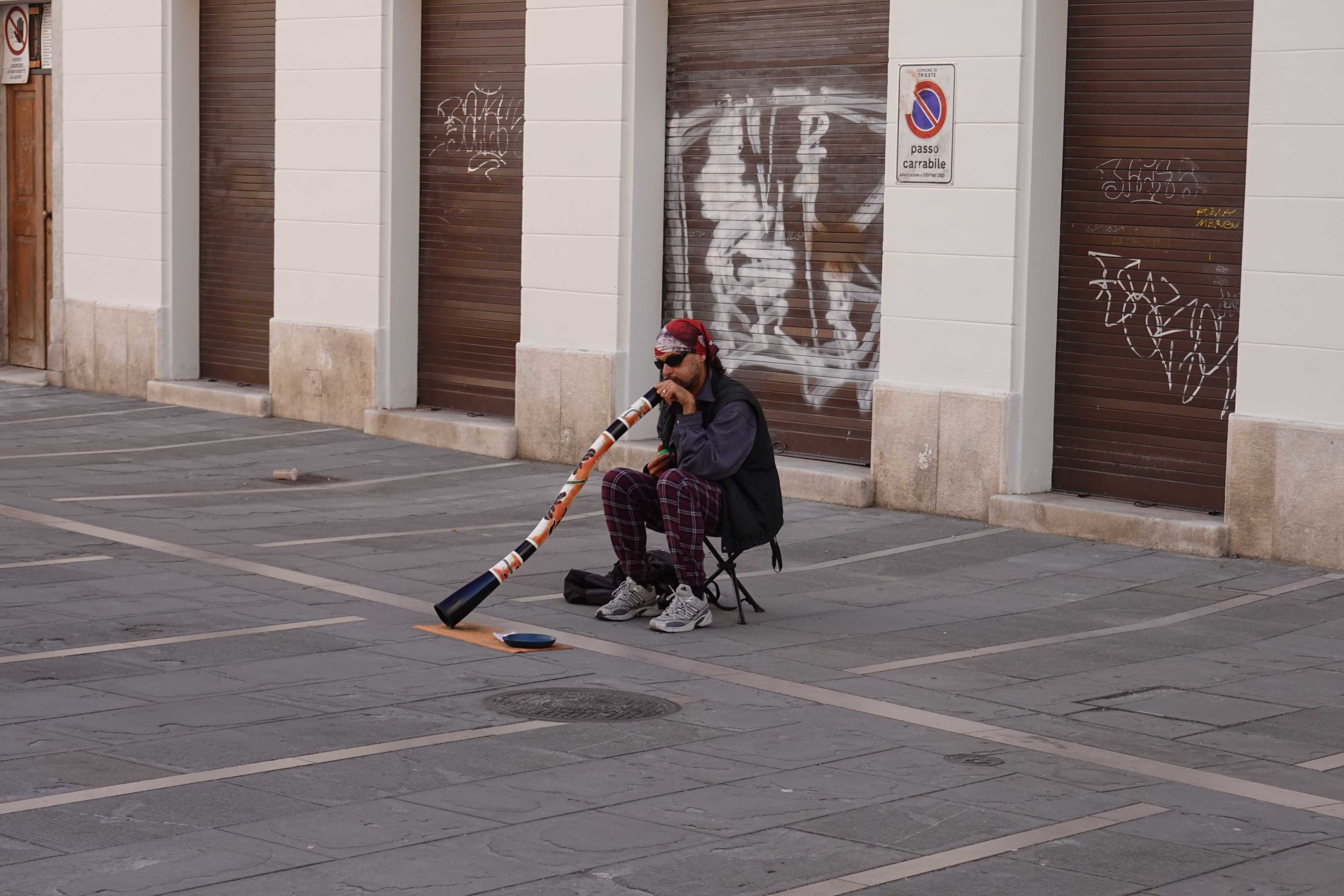
Didgeridoo
The Trieste airport train station is a liminal space. Don’t worry, I’m not leaving. It’s the opposite: I’m describing how I arrived. I just didn’t want to start the post with this weird place. Often, I feel like I live in some wicked alternative world with no one around. A whole flight just landed but I’m in this place alone. So, when’s the next train?
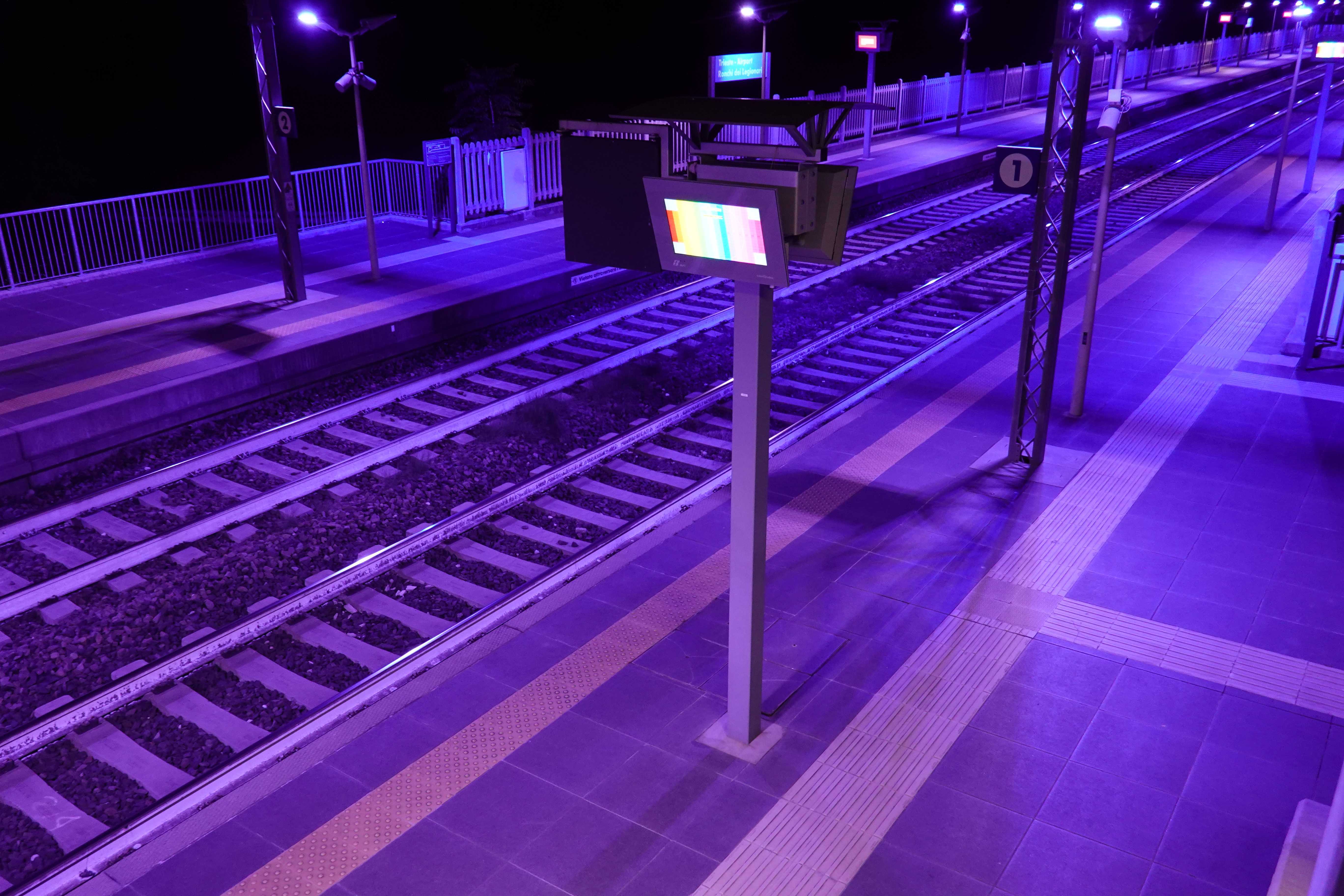
Liminal train station