Sao Miguel
In my hostel in Ponta Delgada there was a hand-written guidebook of the island. I encountered it on the same day, but 7 years later and sat on the same spot as illustrated. I love things like this.
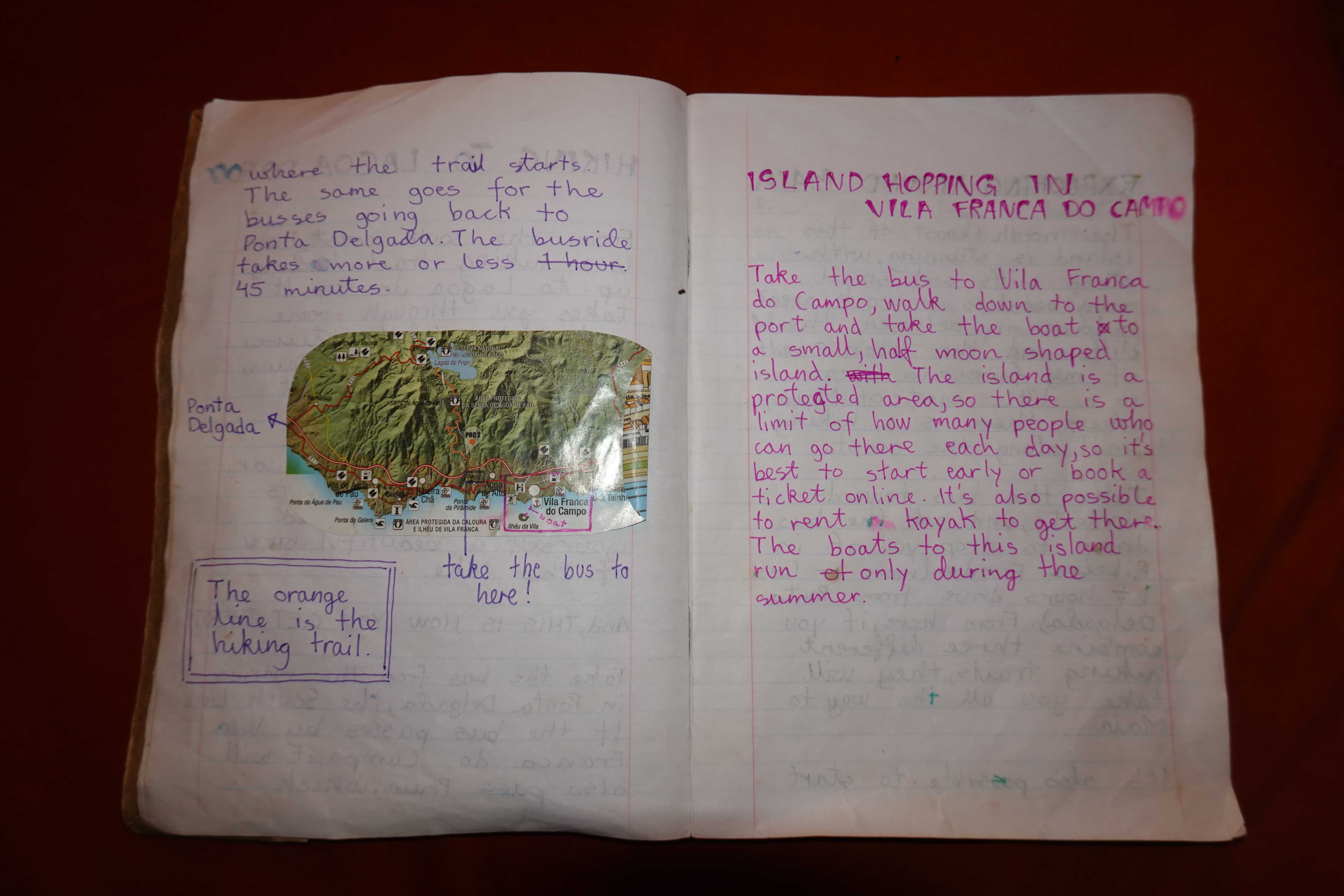
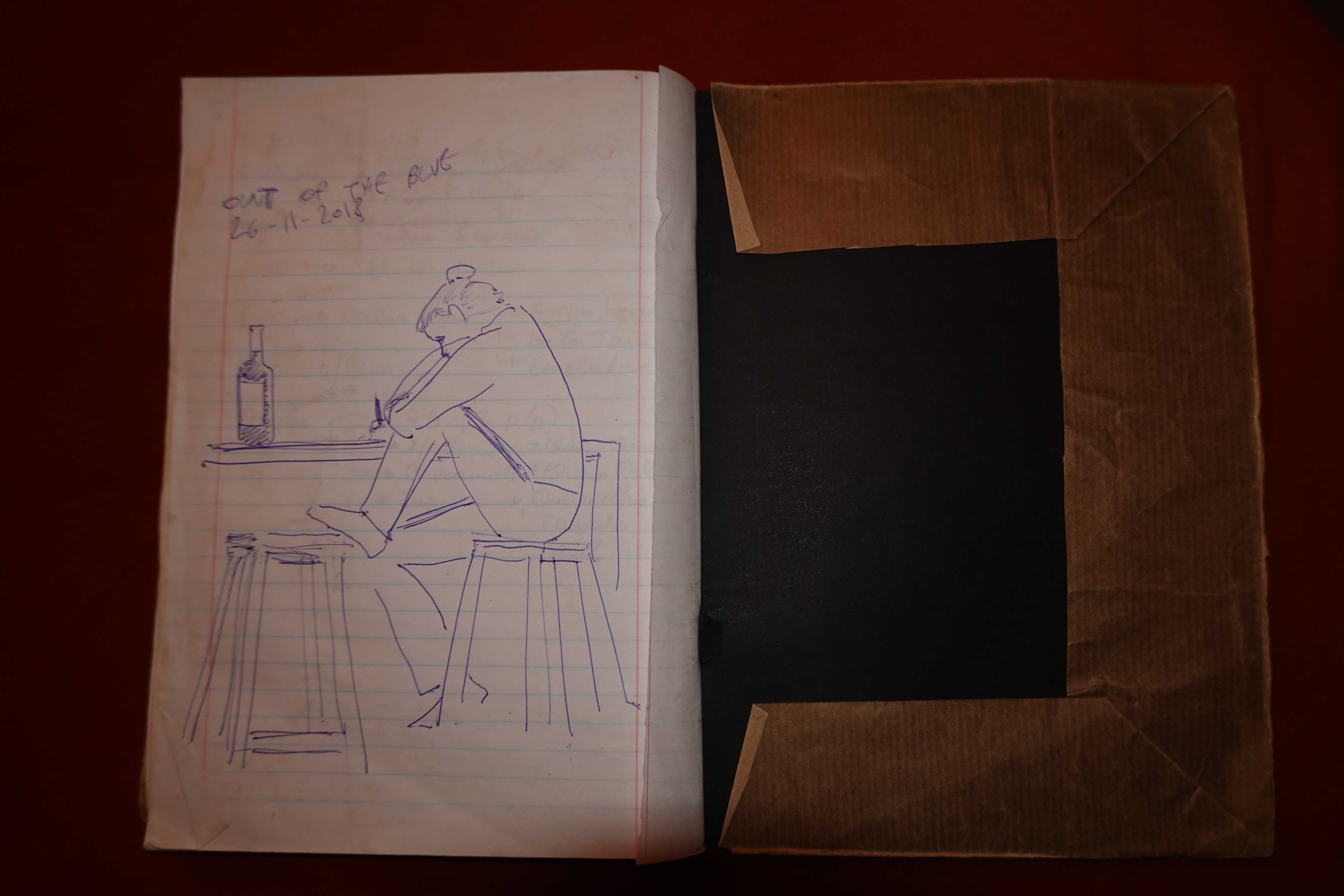
Hand-written guidebook
Ponta Delgada 
On a sunny day, Ponta Delgada has a lot of contrast: the buildings and pavement tiles are black and white, made from dark black volcanic rock.
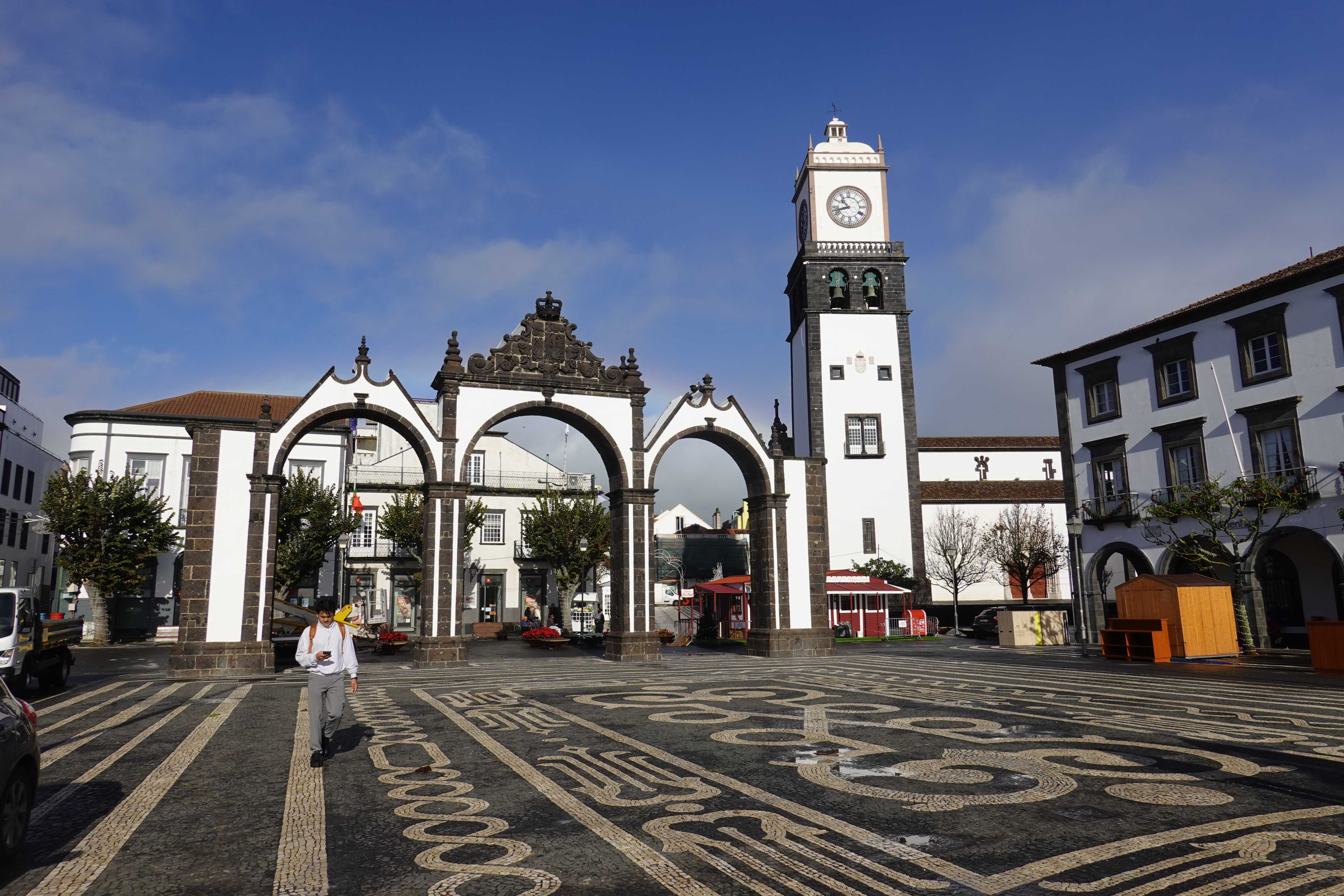
City gates
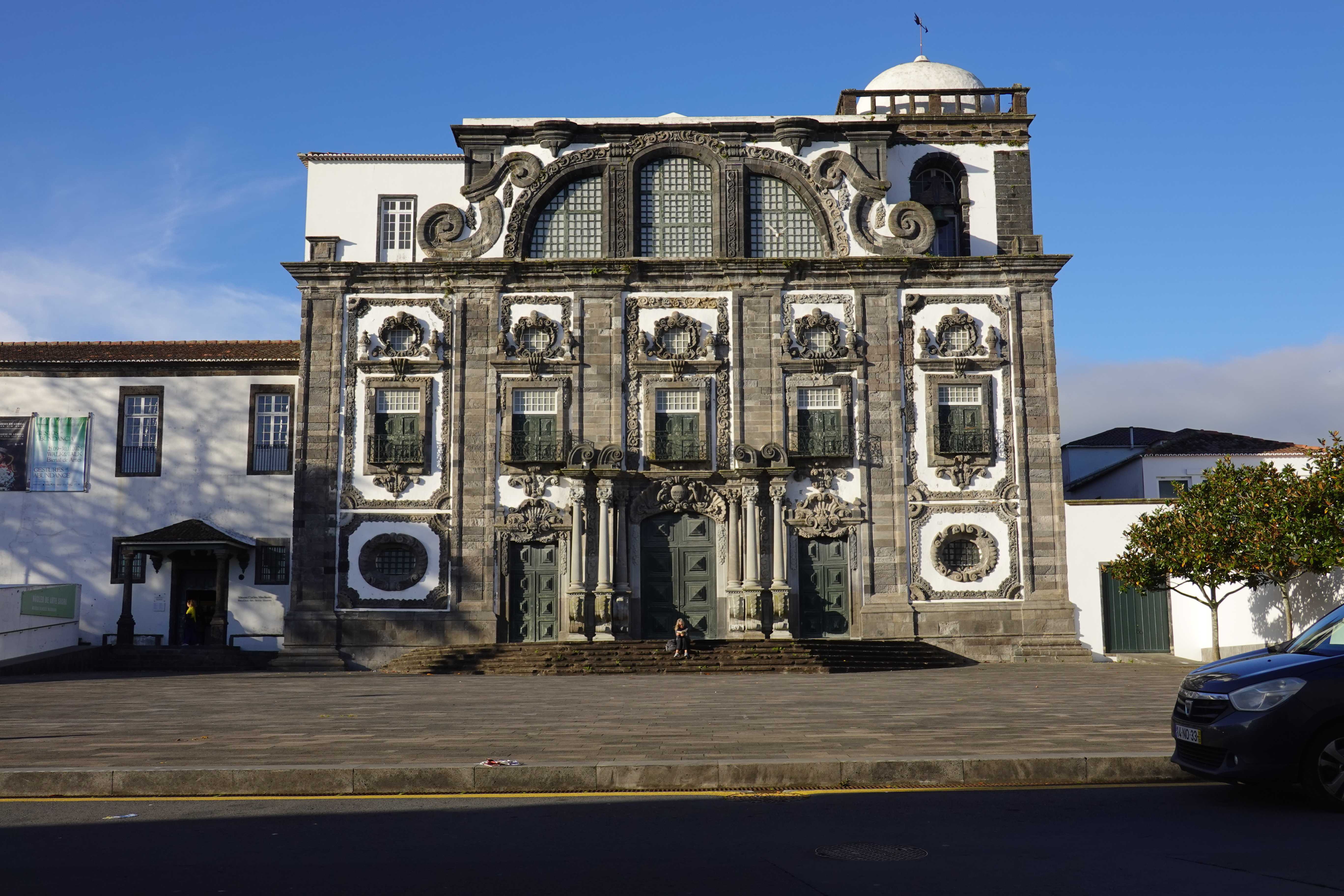
Igreja do Colégio dos Jesuítas
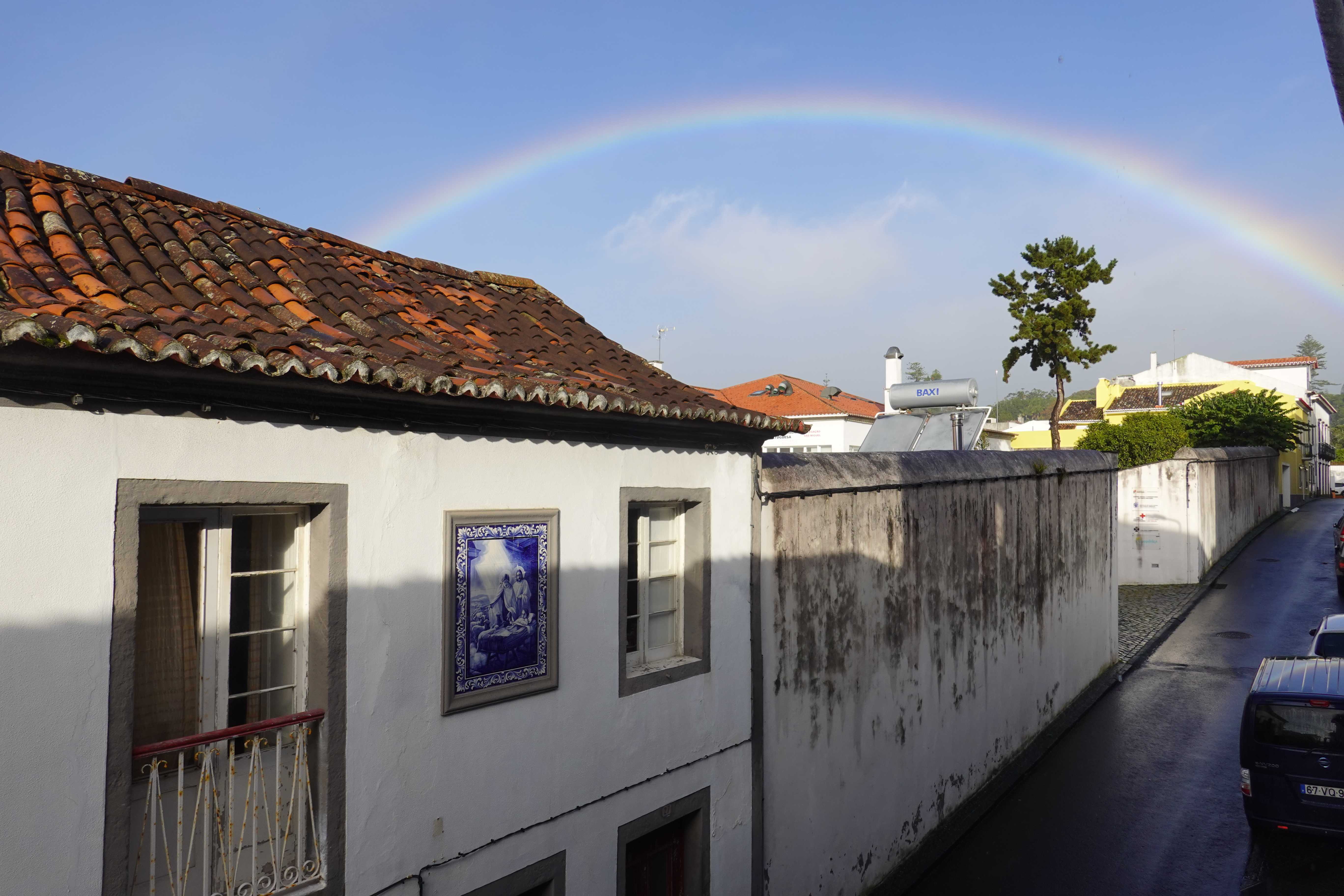
Peaceful morning
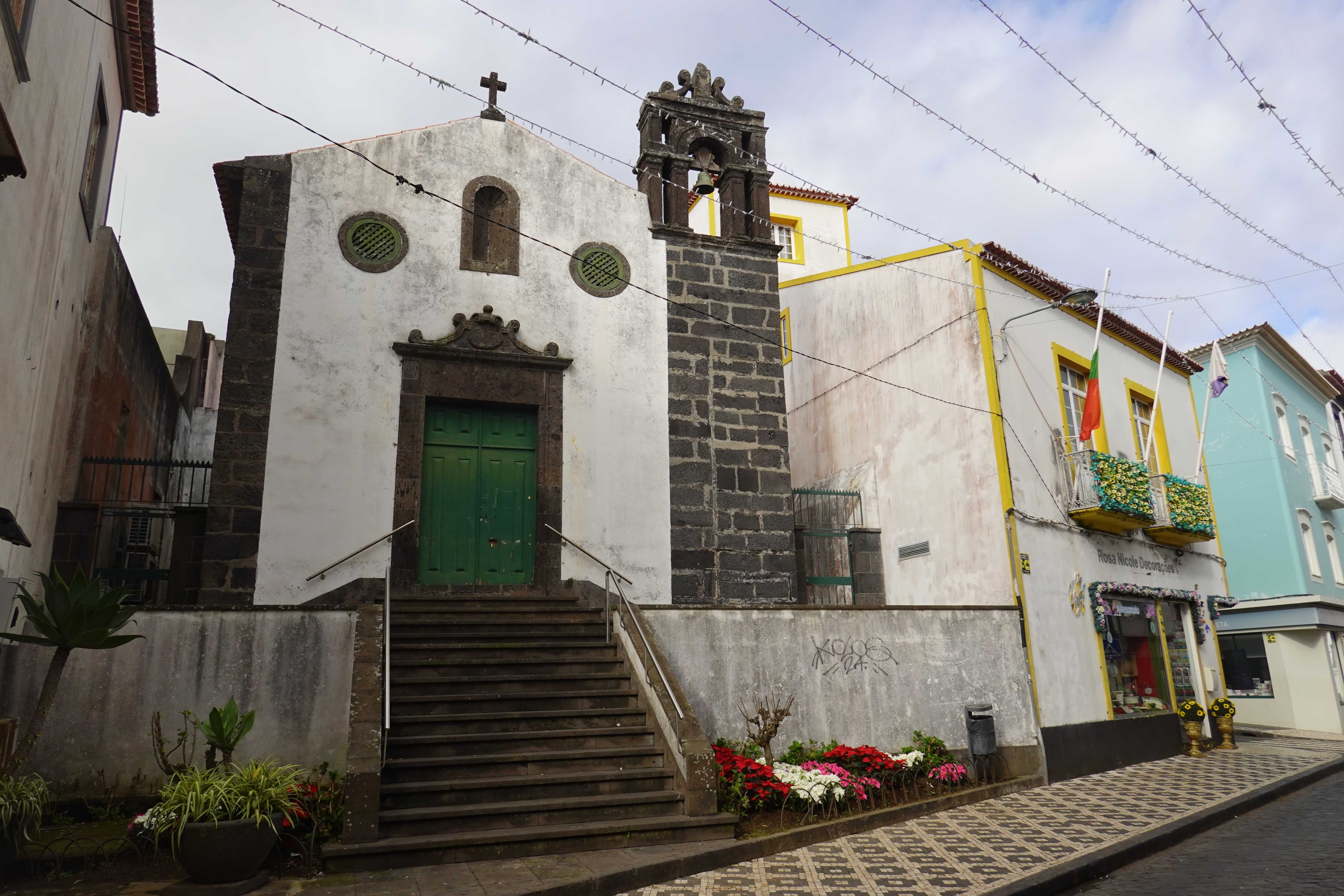
Cute church
I was impressed by the Antonio Borges Botanical Garden with birds and tropical-looking palm trees, which was free to visit. It’s like a piece of jungle in the city.
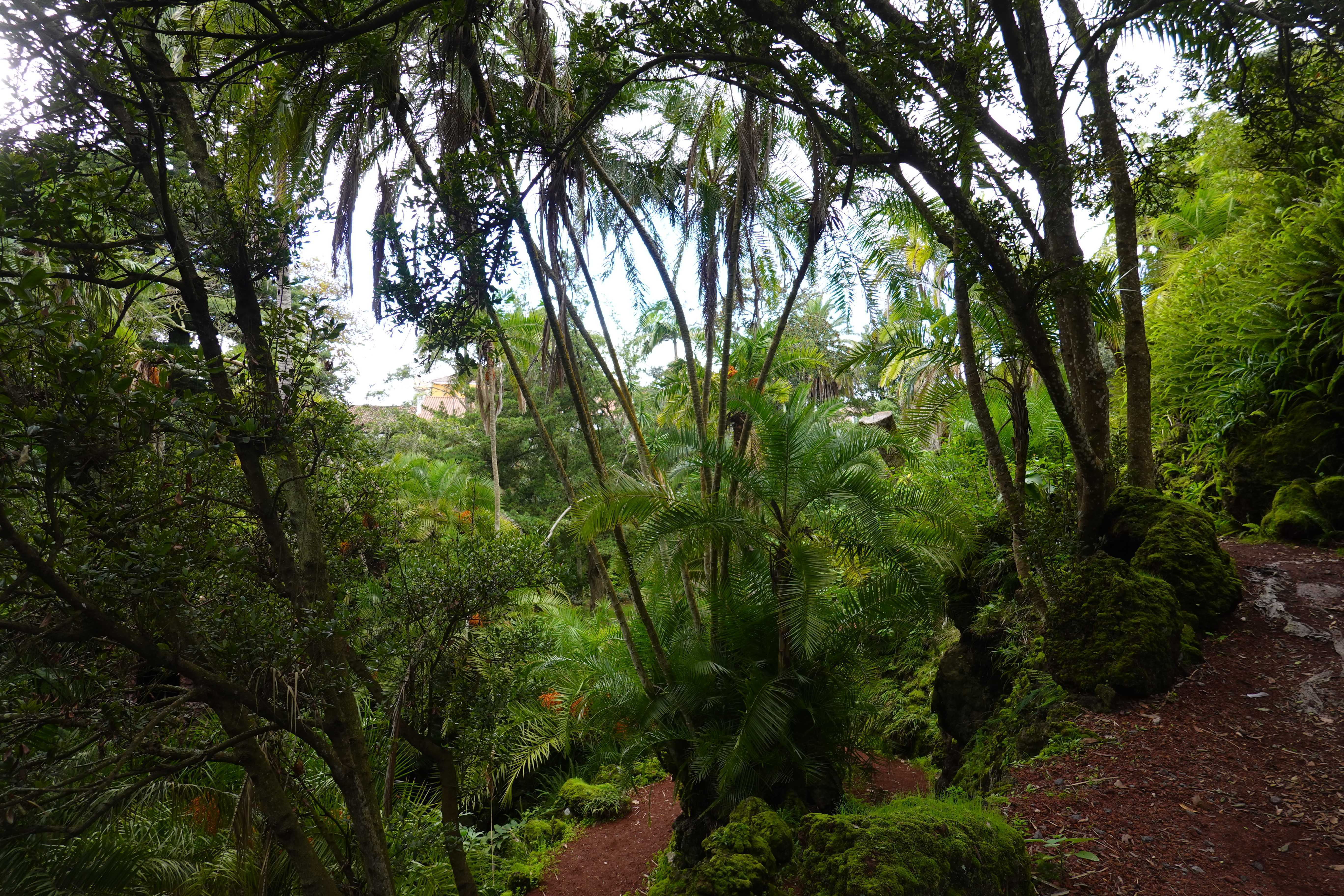
Botanical garden
I found it unexpected how the city was run down outside of the immediate centre. The narrow streets are uncomfortable for both people and cars. There are a lot of dilapidated buildings.
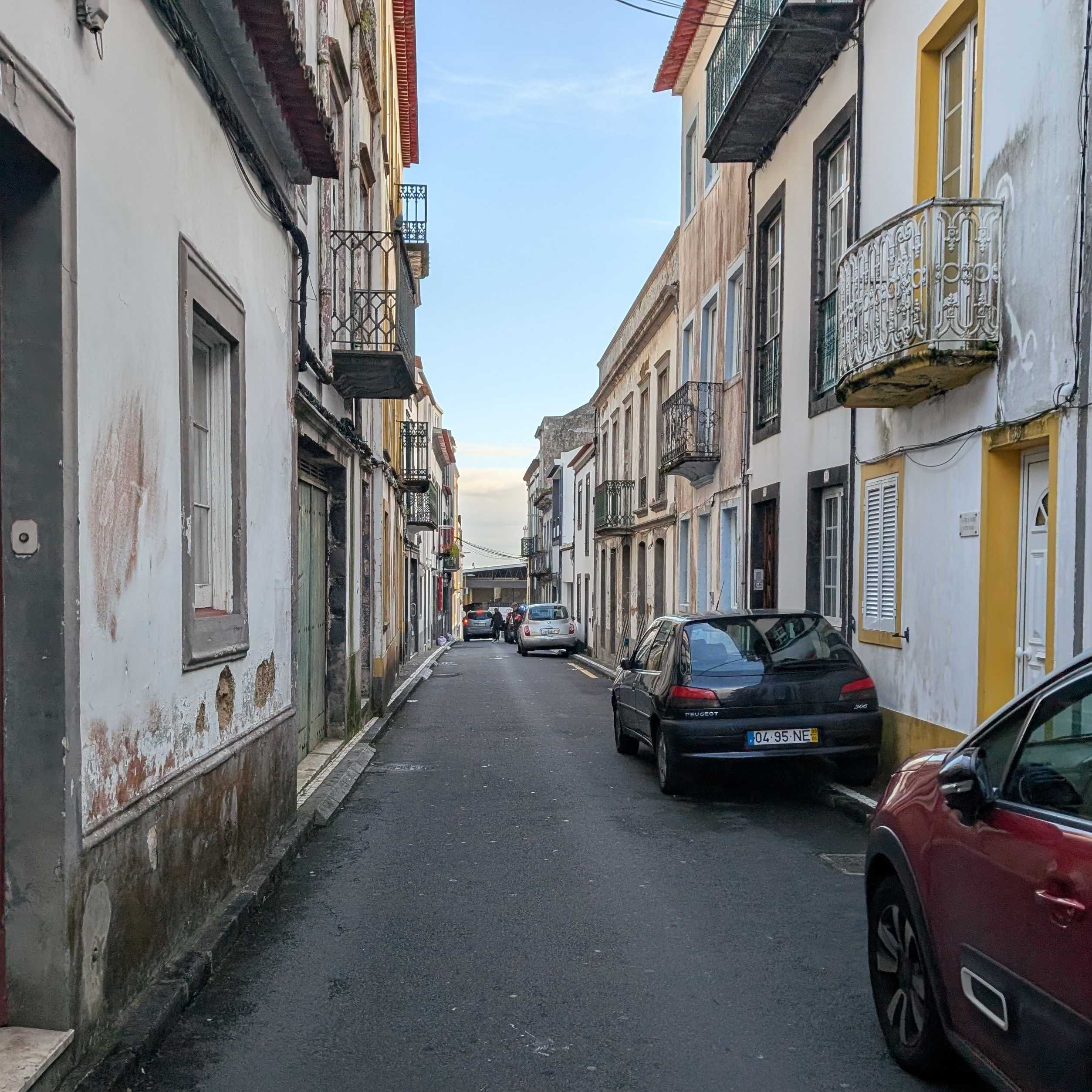
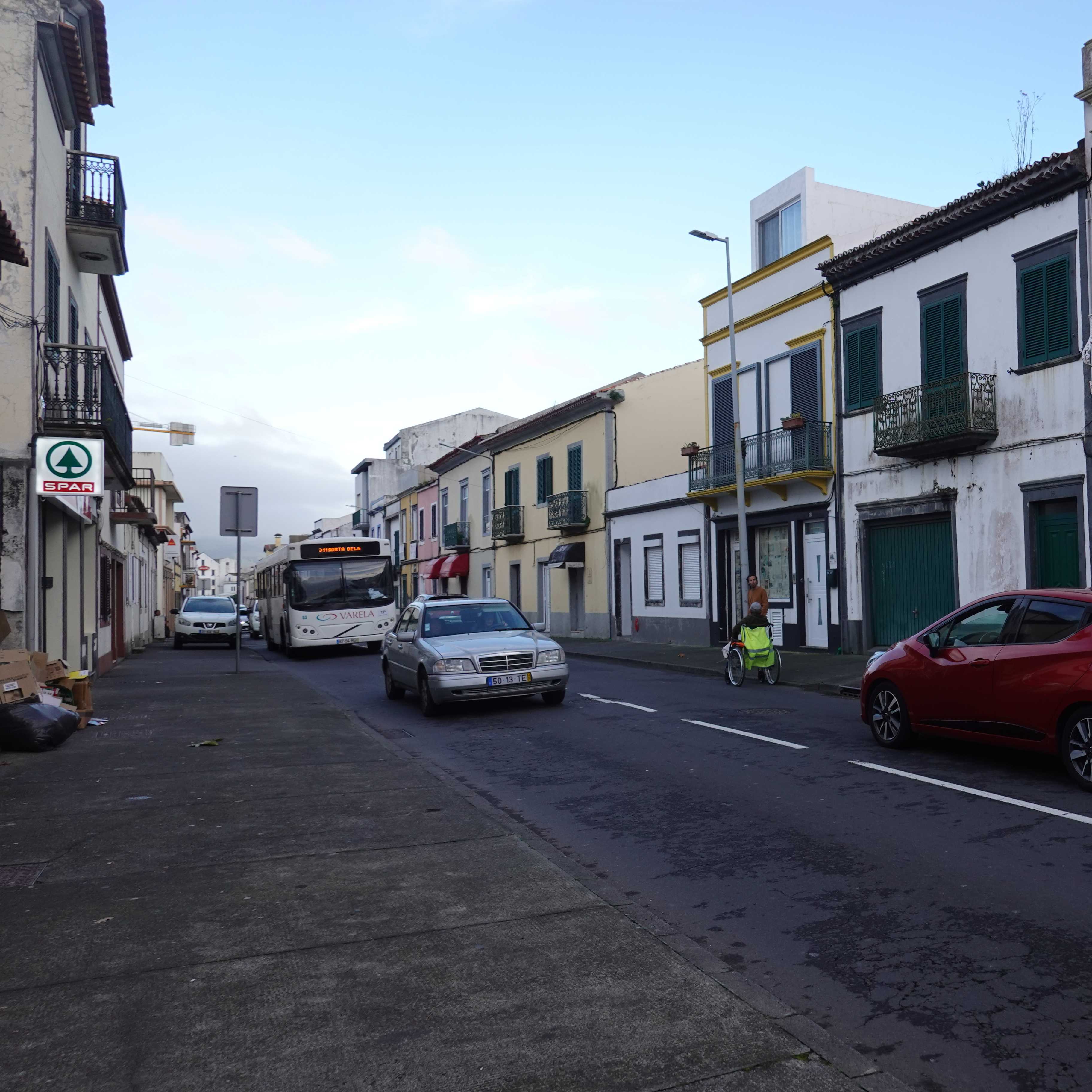
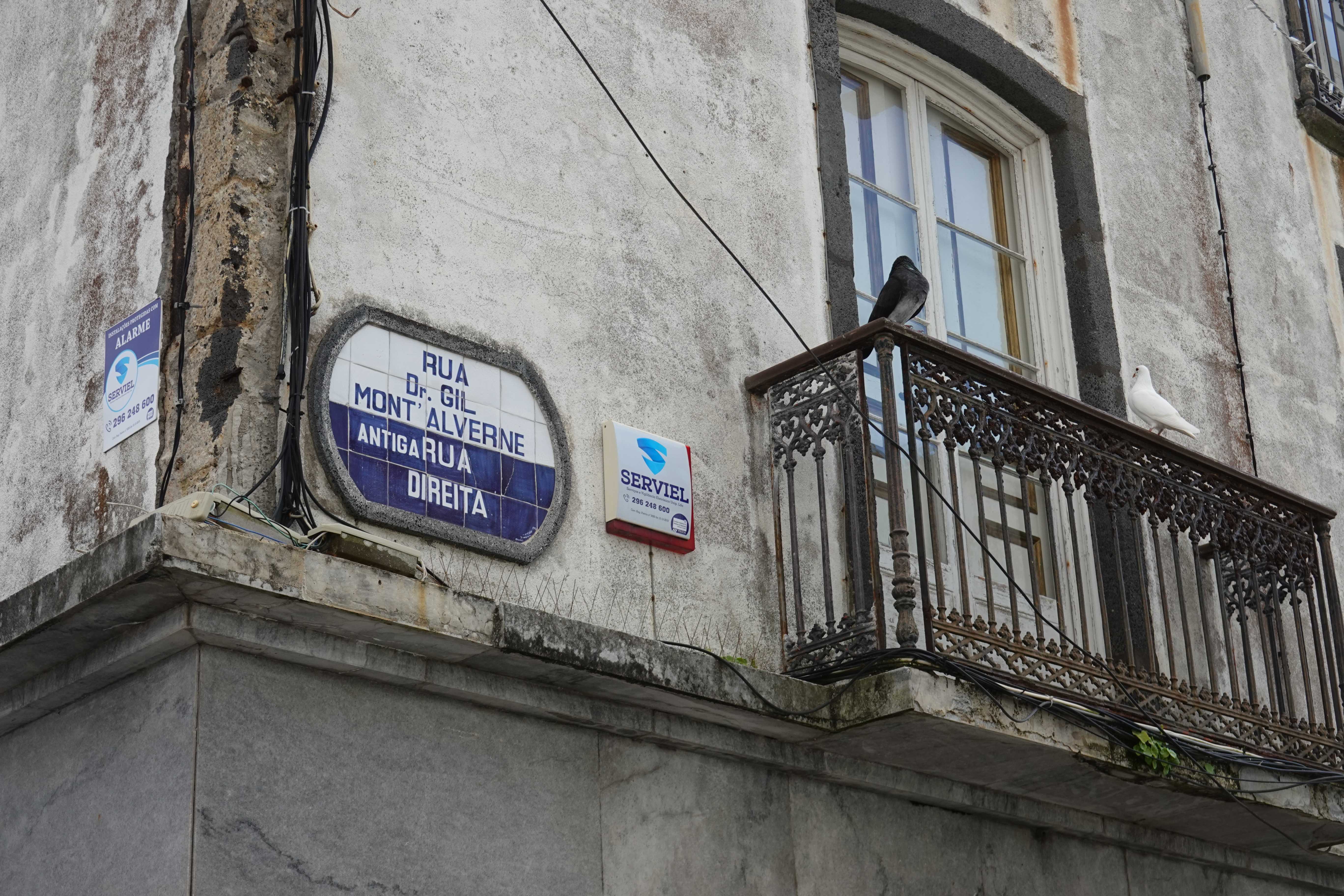
Streets
Like with the Canary islands in Spain, I was expecting the cities in the Azores to be nicer than mainland Portugal, but found it to be the opposite case. They seem like a sad place to be.
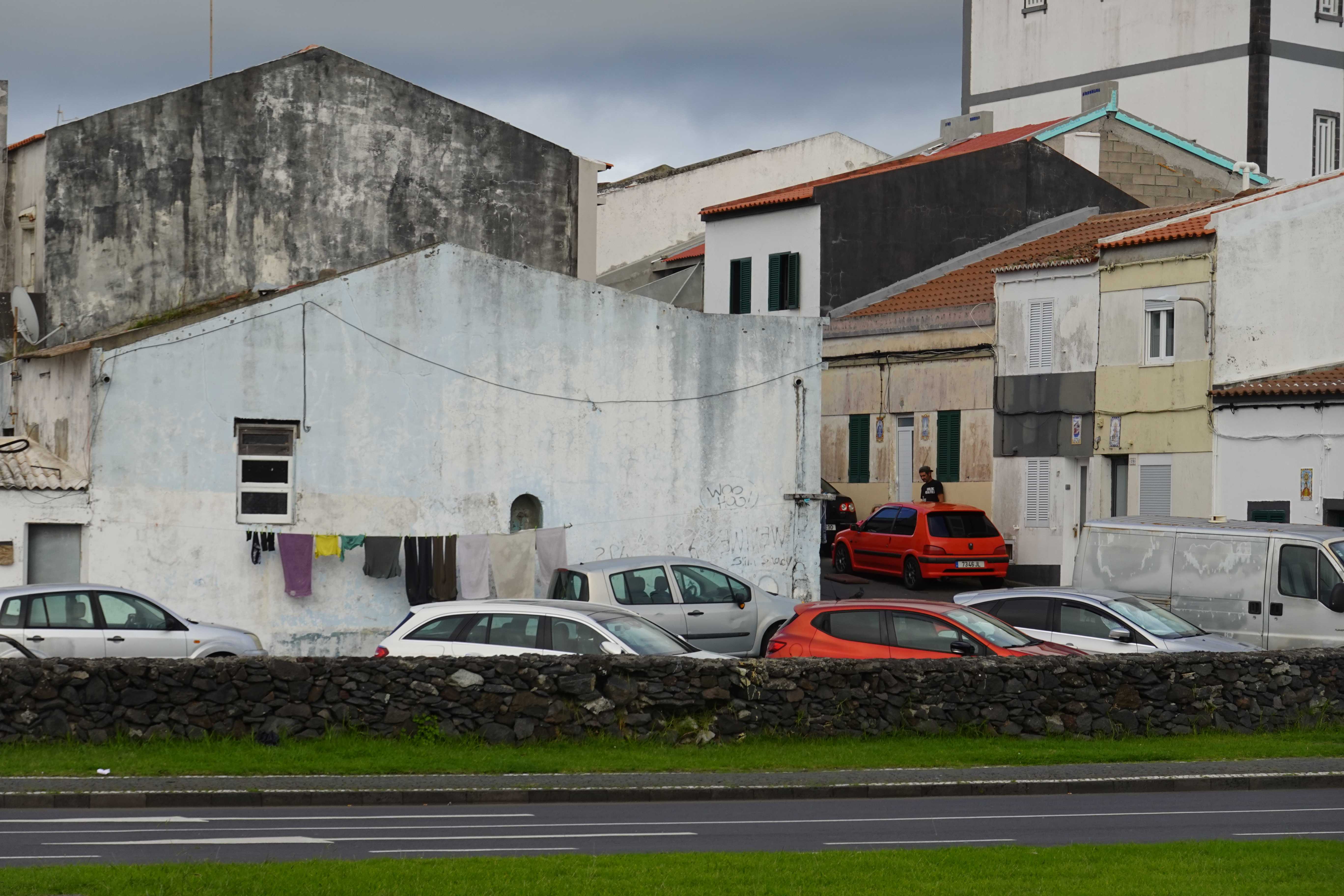
Favela vibe
Sete Cidades
Being without a car, I decided to join a tour to Sete Cidades and Mosteiros, offered by my hostel for 30 euros. Funny thing: the tour required hiking shoes but a girl did it in flip flops. I had no hiking shoes either.
Even though it’s sunny on the coast, it’s often foggy inland of the island. The path with one of the most iconic views was surrounded by thick fog. There’s supposed to be a lake down there, or even two.
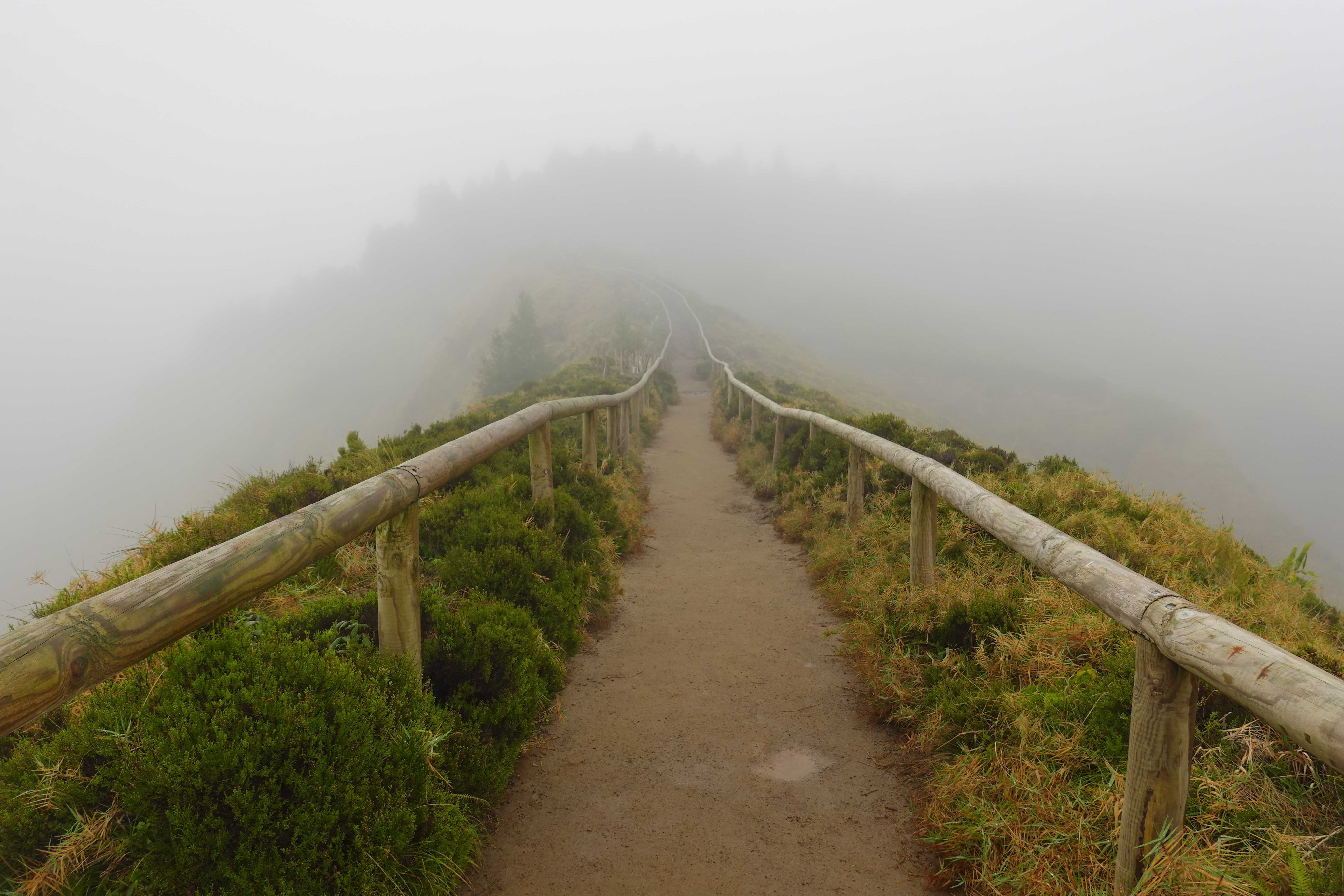
Path
Luckily, the lakes were visible from a different viewpoint and there are in fact two, of different colours. You can also see the ocean behind the hill. Incredible.
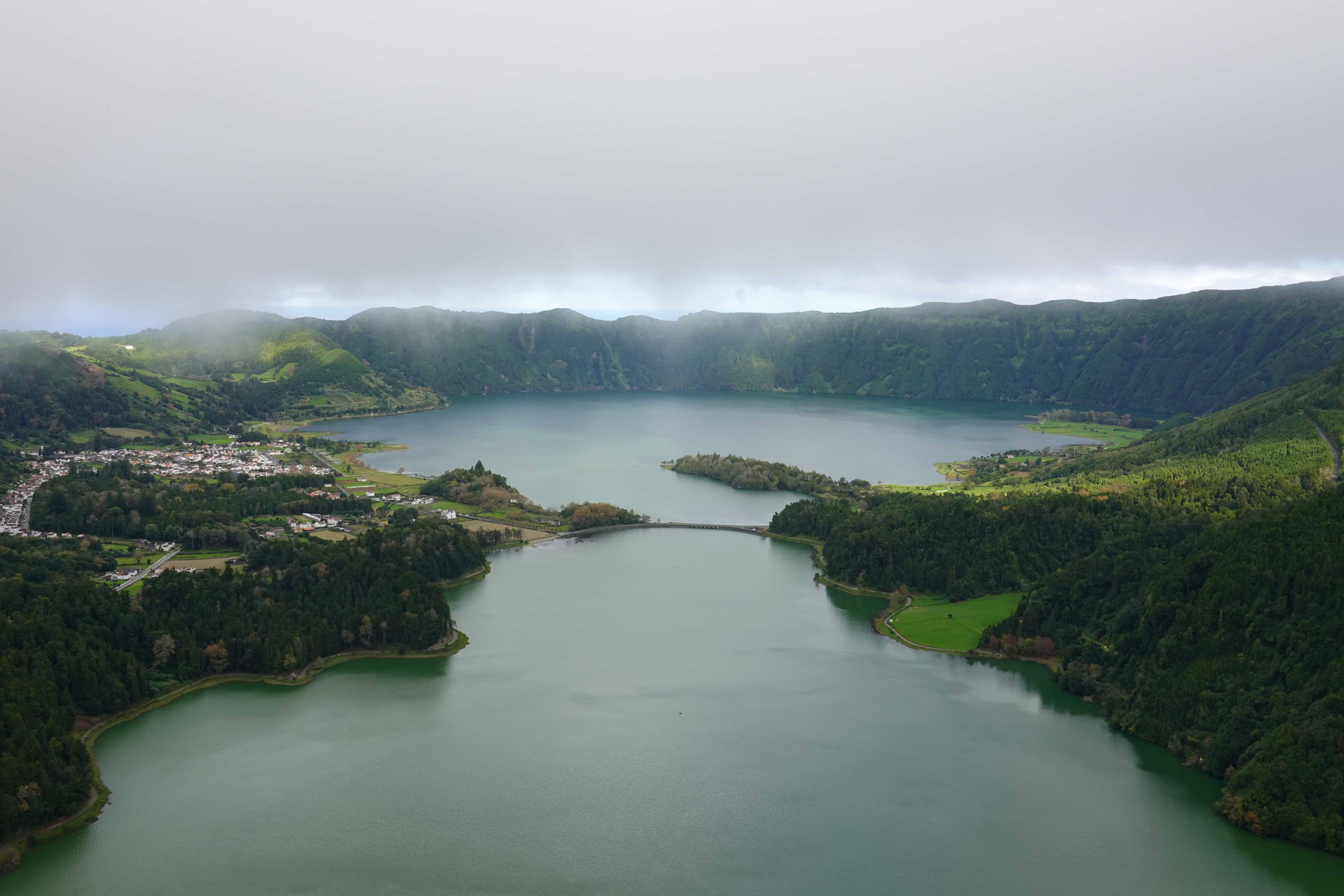
Lakes
The misty roads around the lakes are like a fairytale.
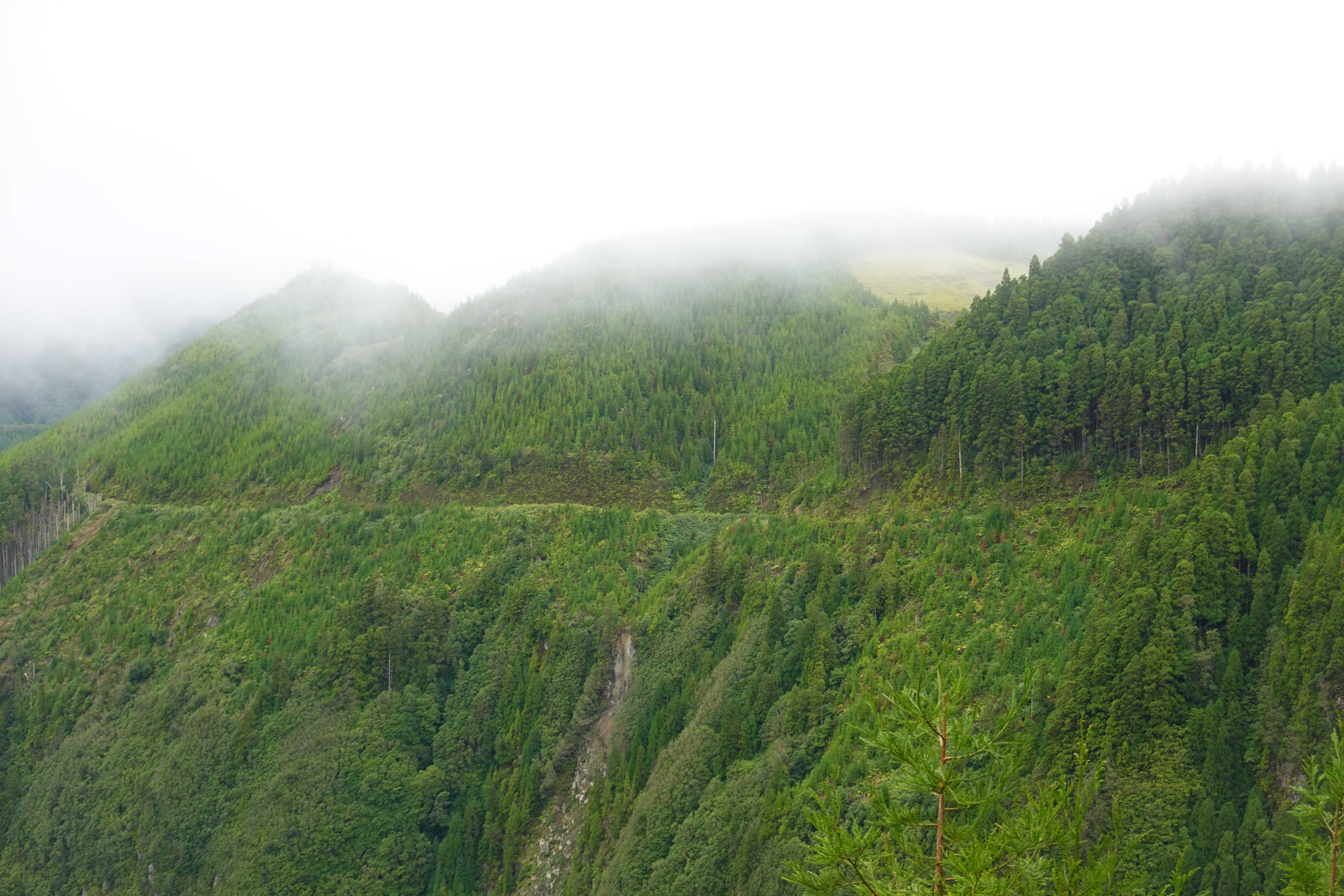
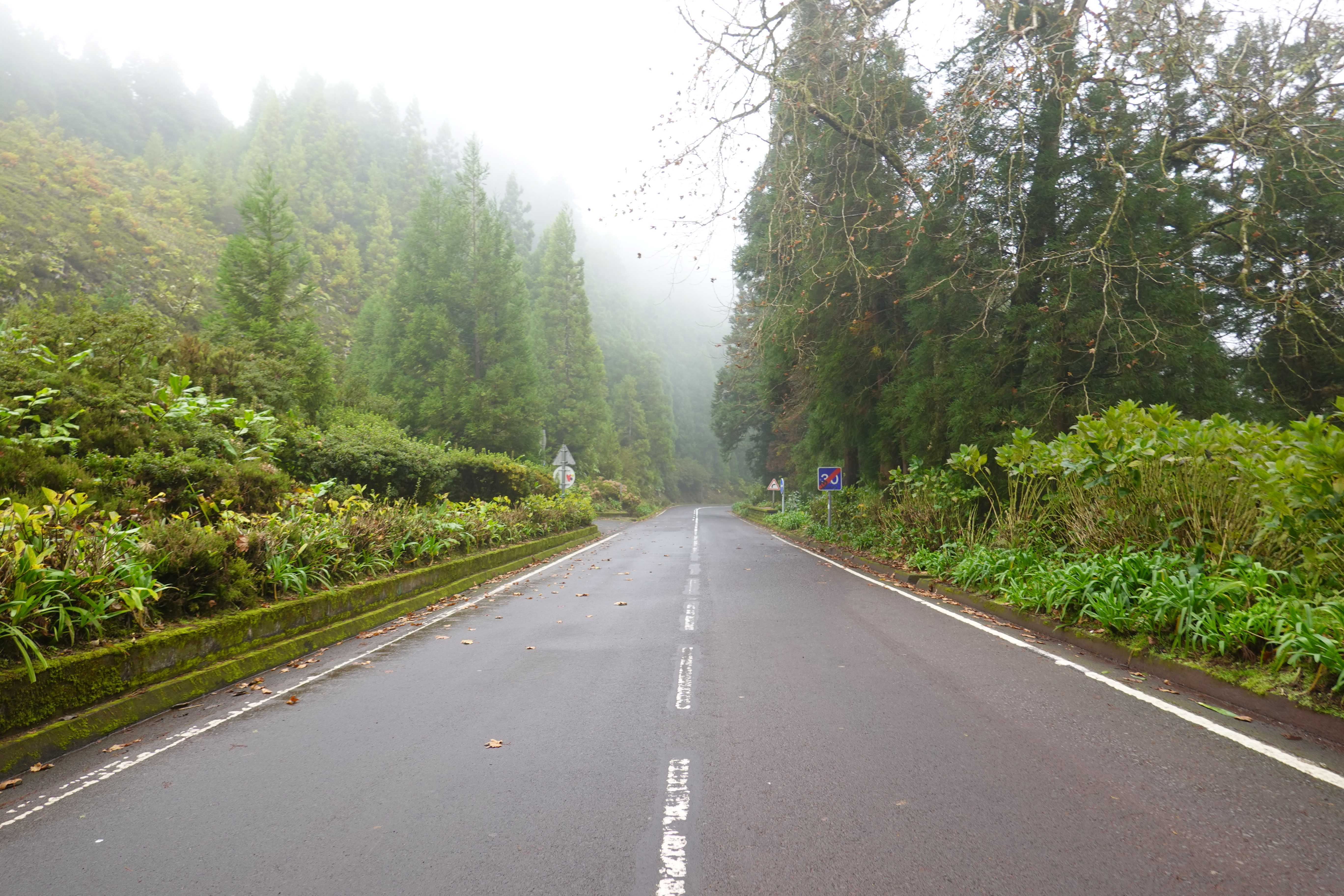
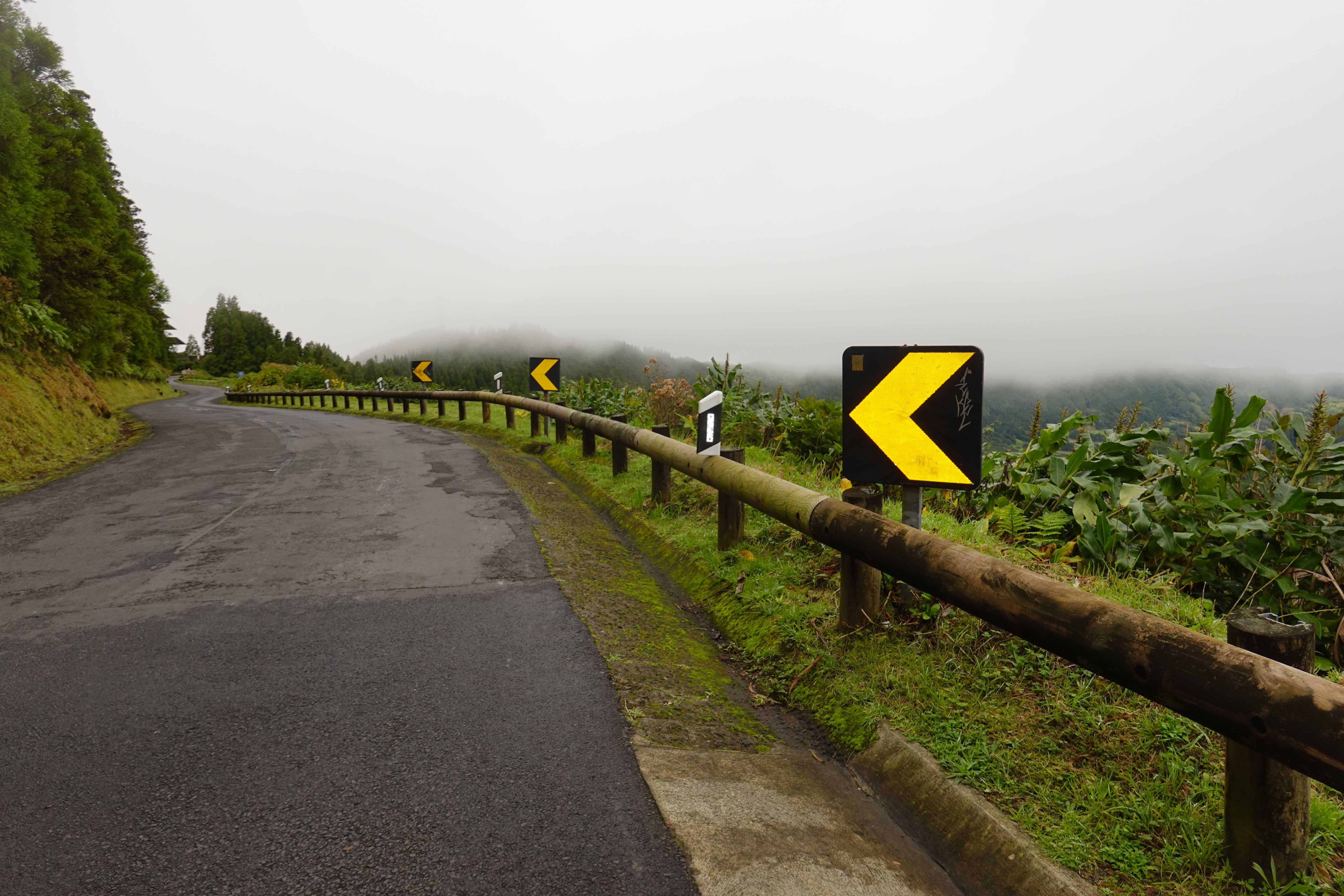
Misty roads
There is a big abandoned hotel nearby. Empty in a remote place on a remote island.
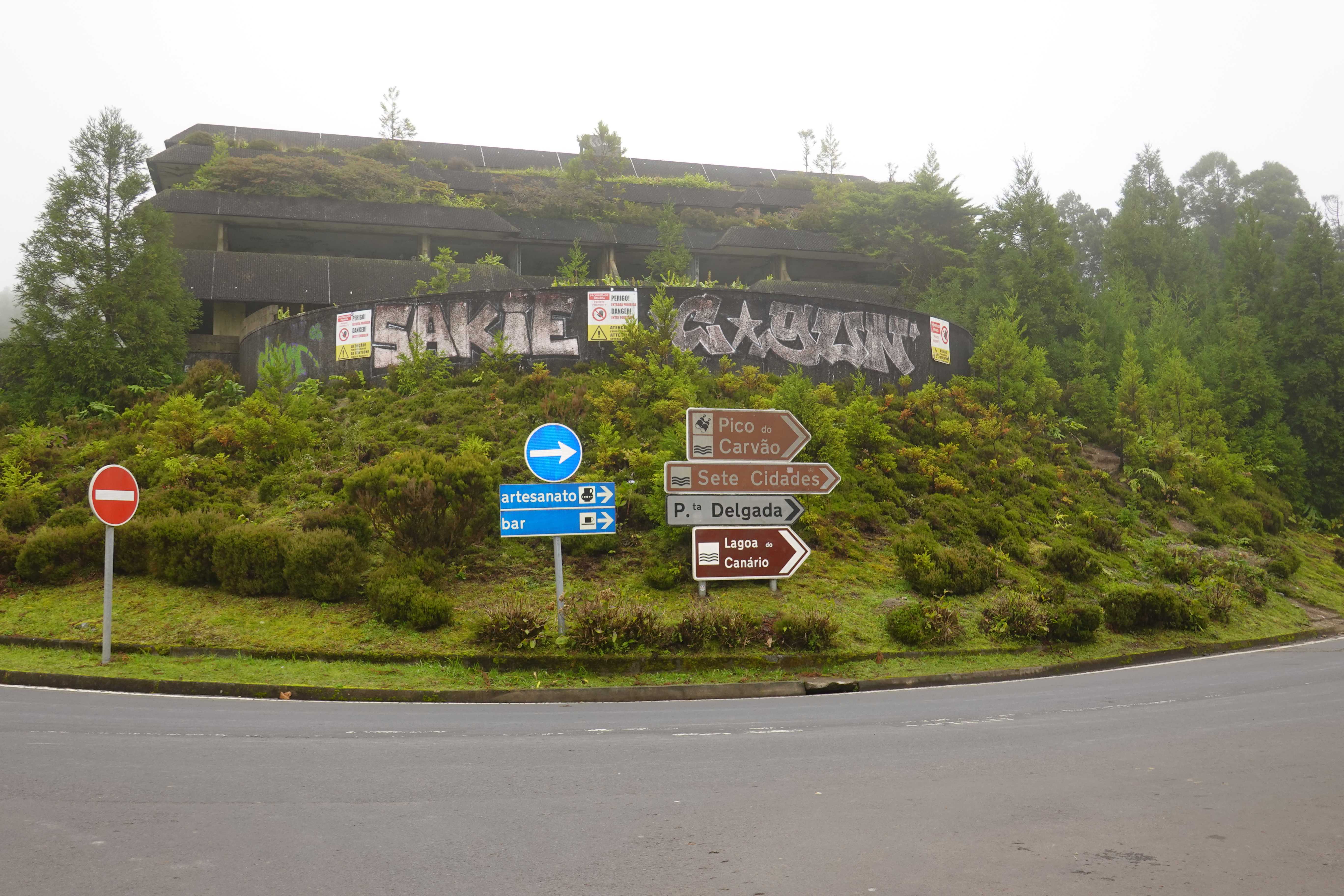
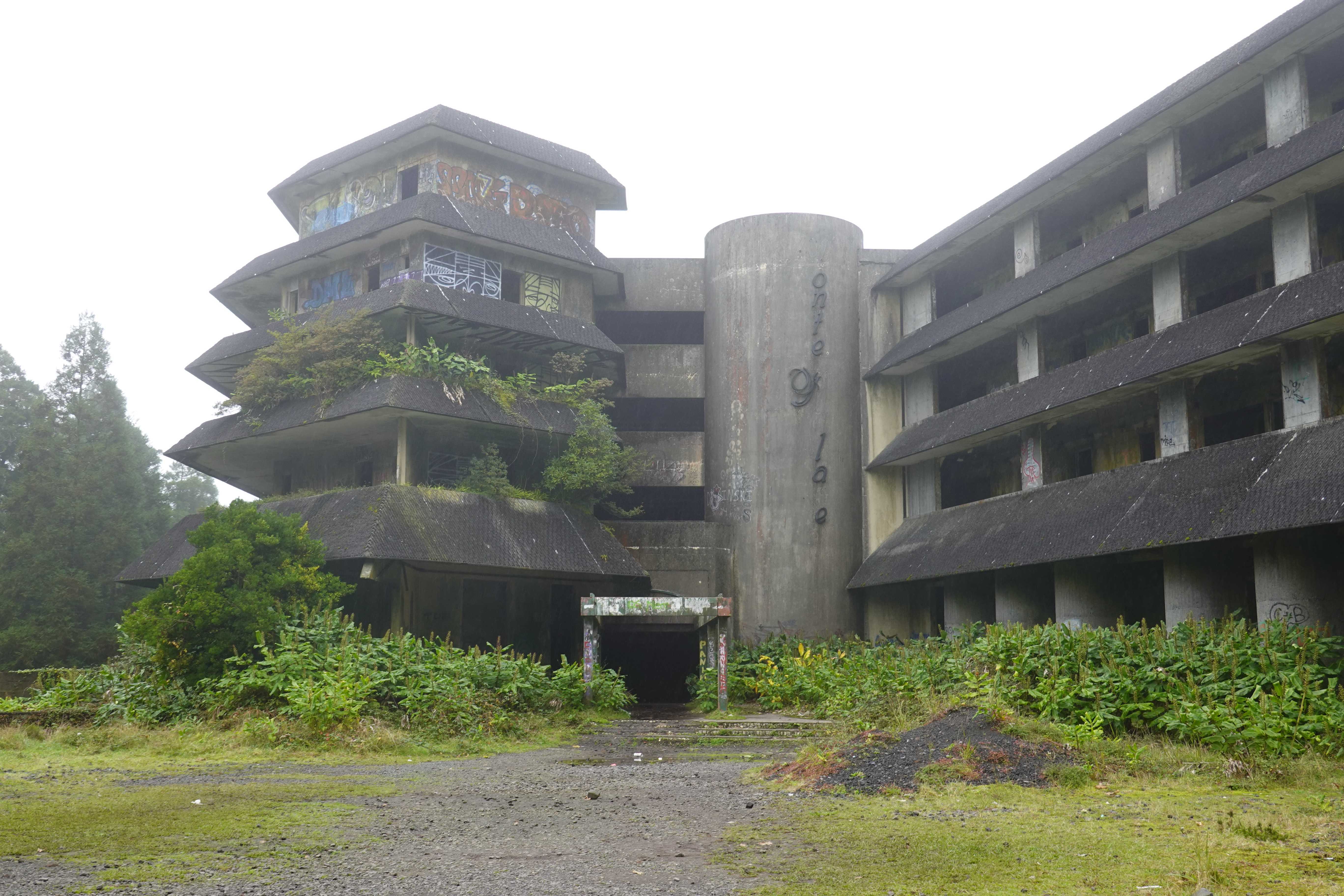
Abandoned hotel
The town on the lake is quiet and grey, existing in a dreamy state. Nothing bad could ever happen here, surely.
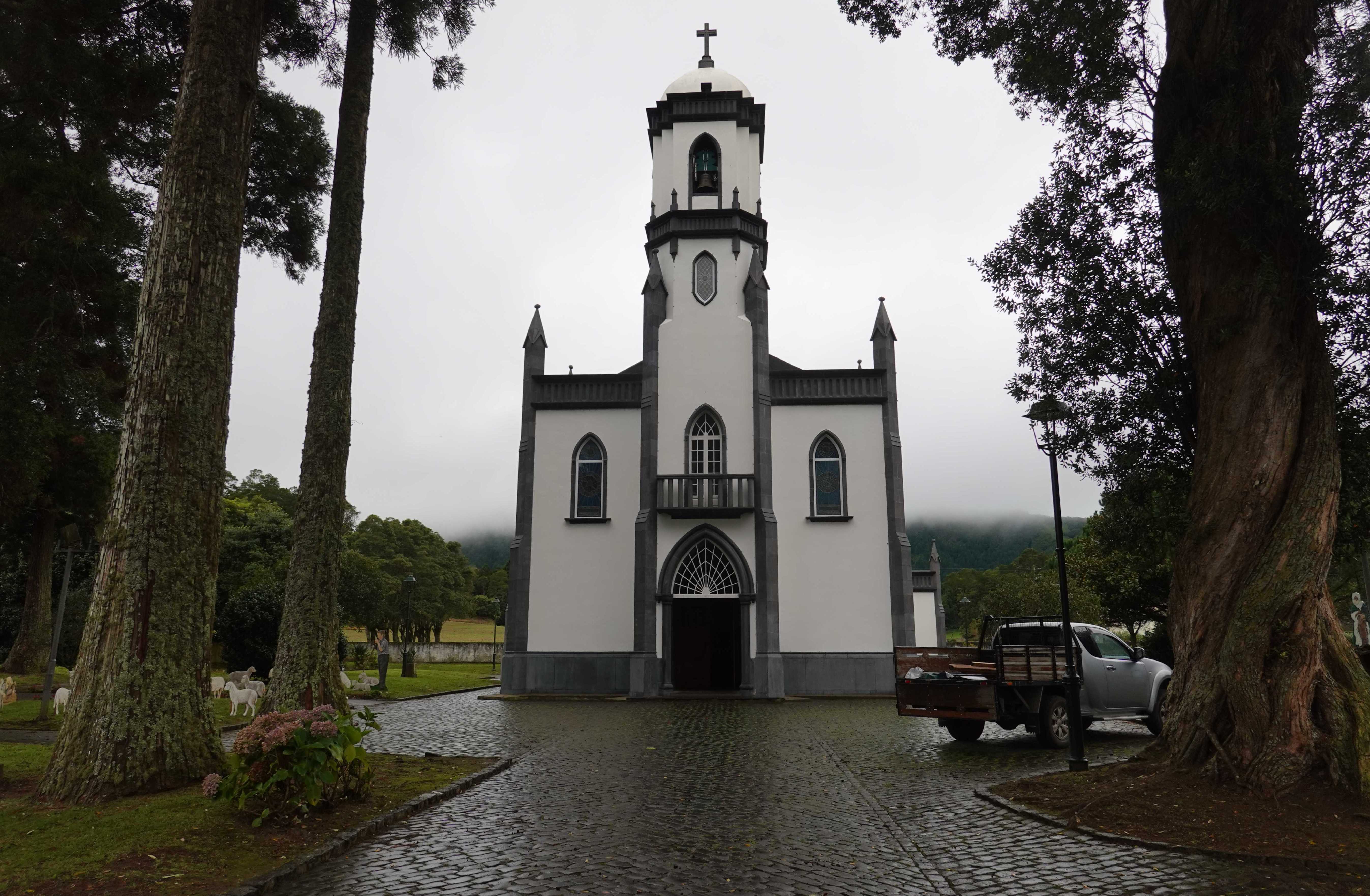
Church
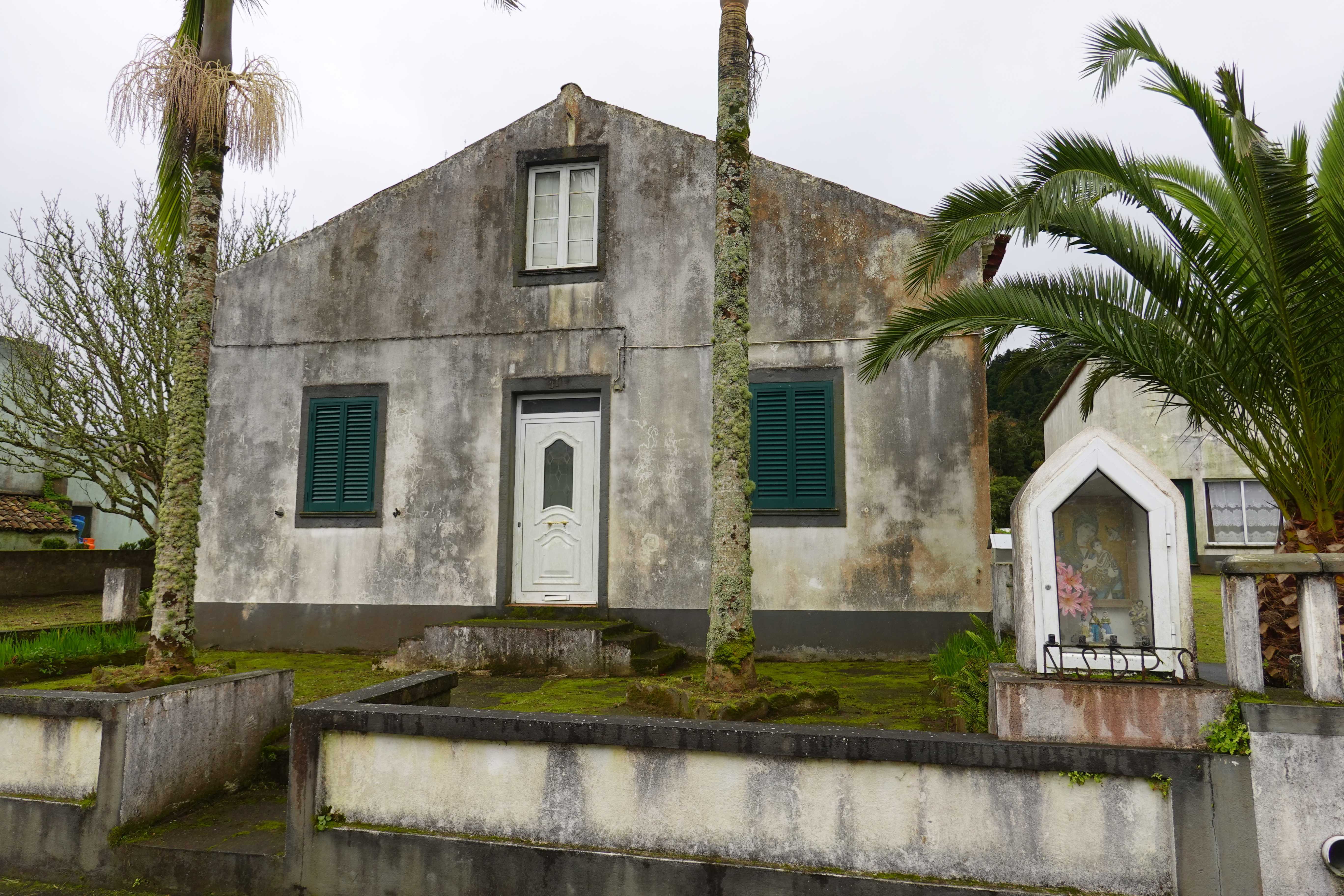
Stained house
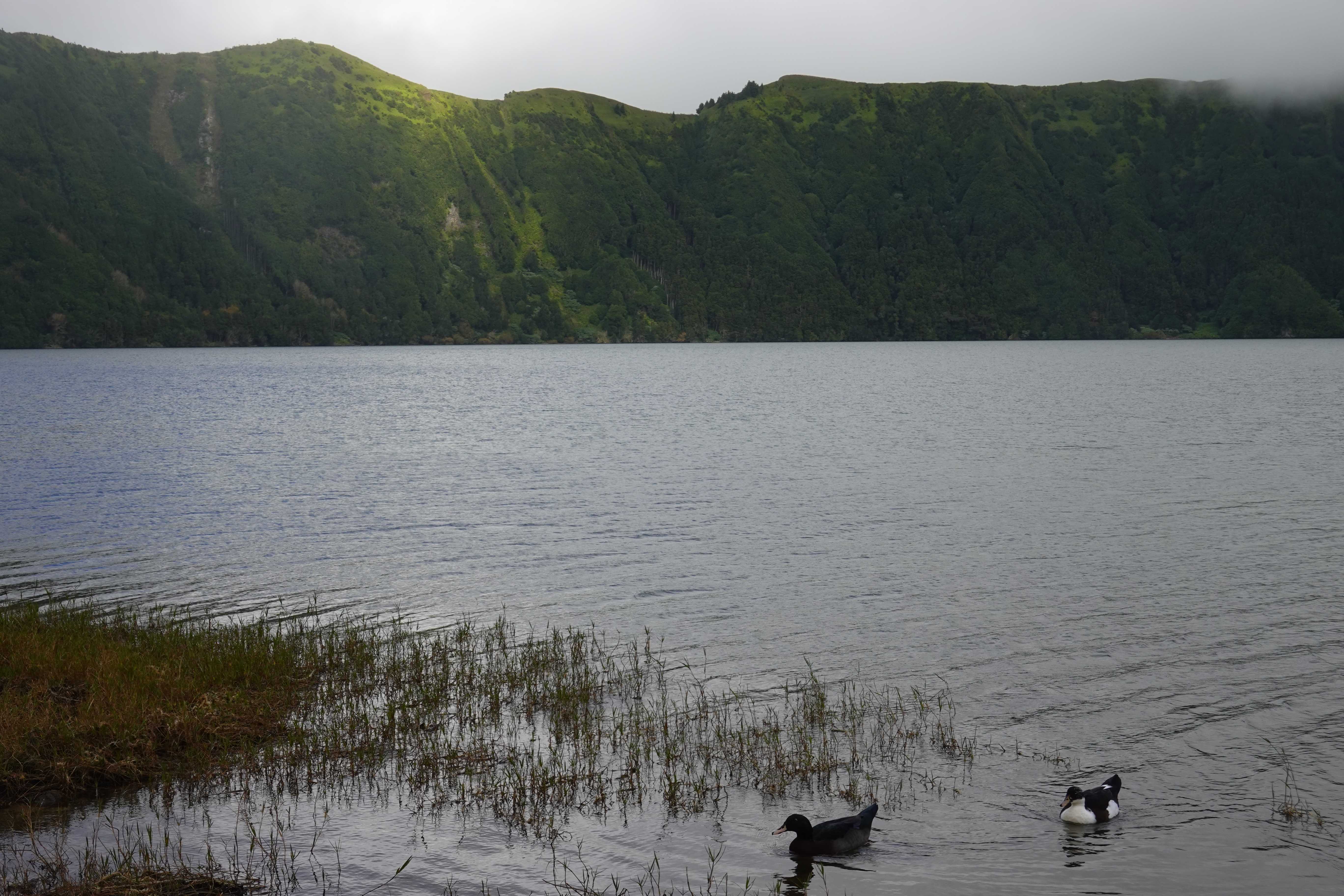
Lake
Mosteiros
Maybe the saying that goes “the grass is always greener…” actually refers to the isolated Azores. The grass is the greenest thing I’ve seen. Imagine how lucky are the cows. Imagine the milk.
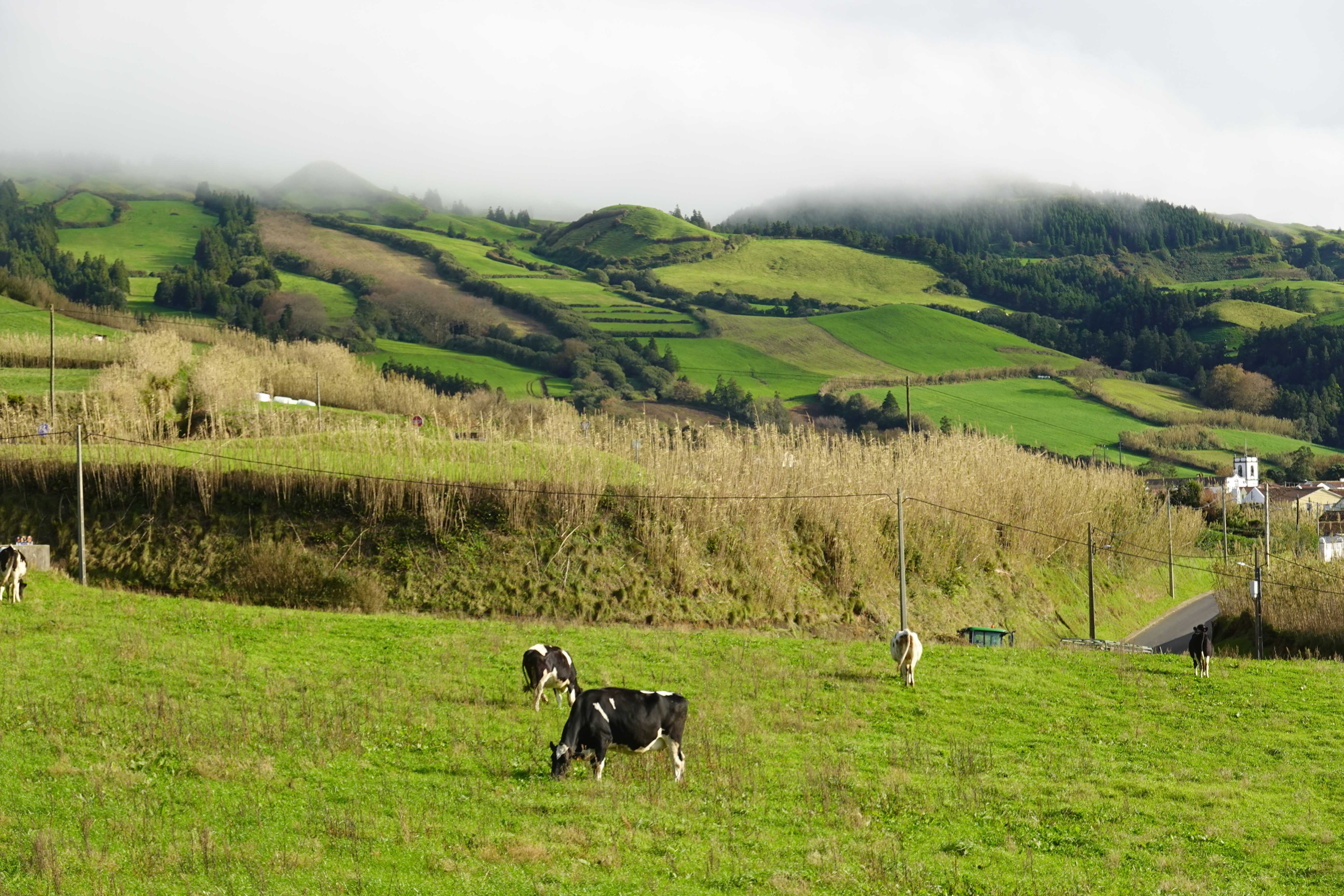
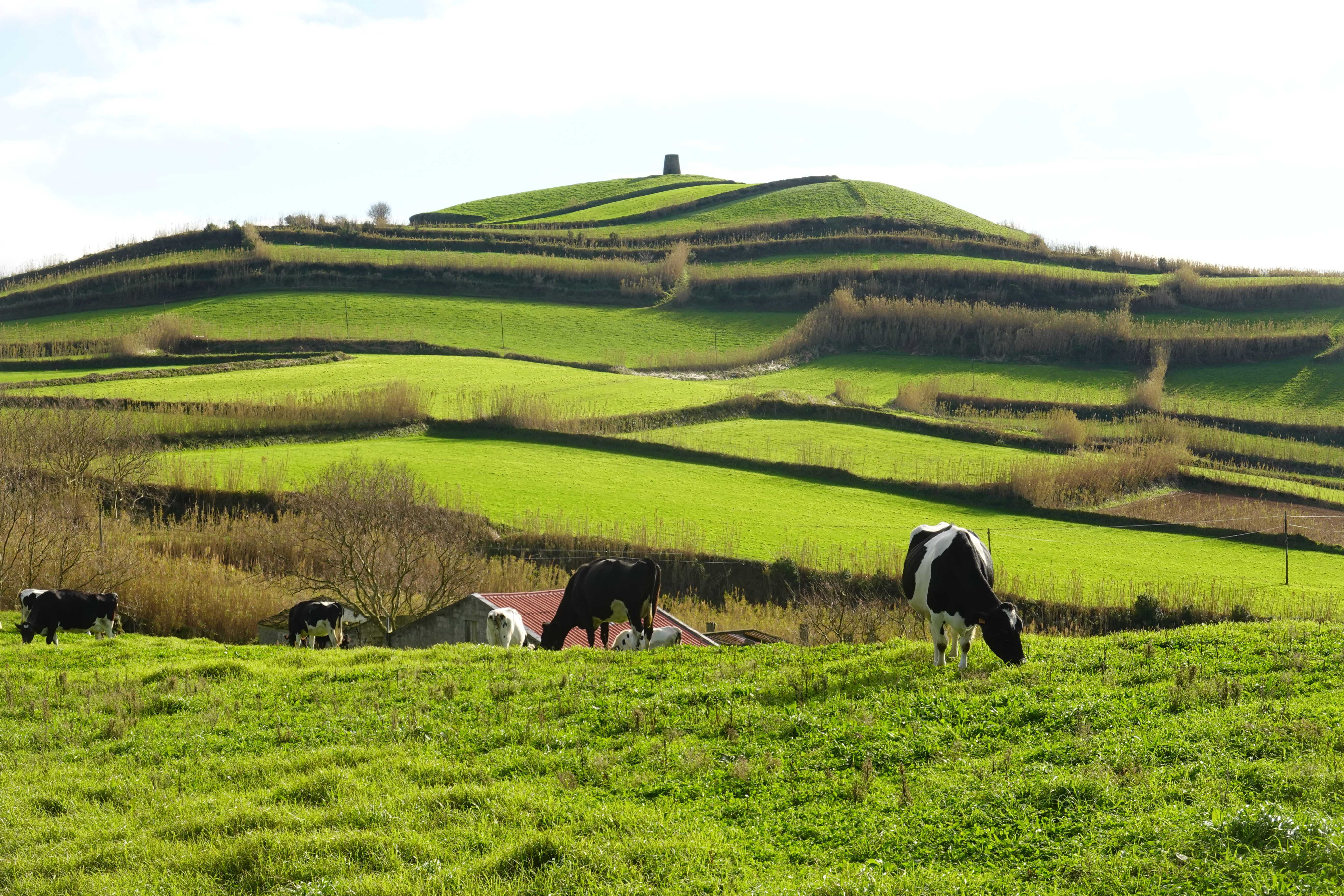
Cows grazing on greenest grass
The parts of land that are formed by lava flows onto the coast have a name here: Fajã.
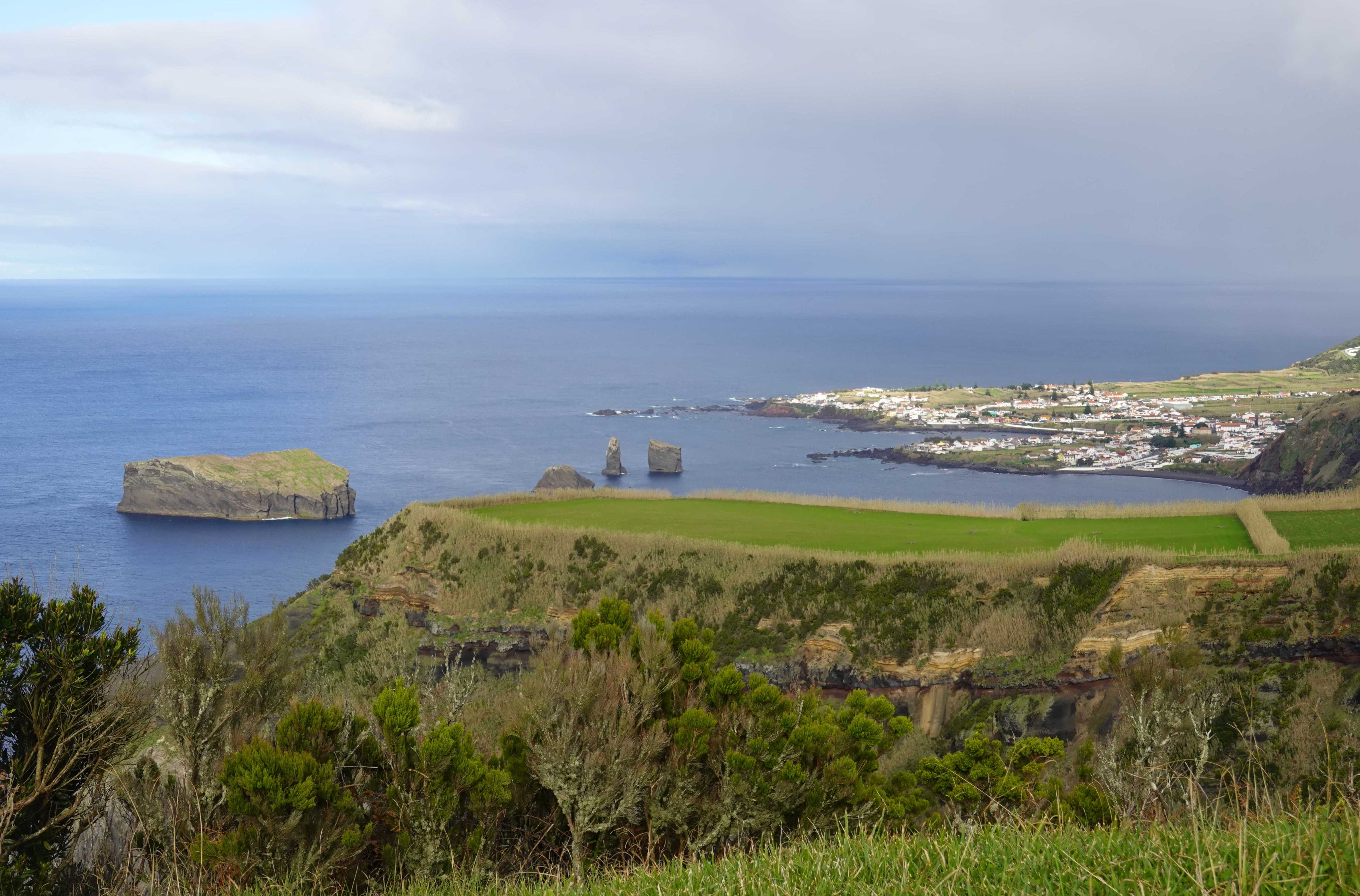
Cliffs
After a busy day we swam at the beach and had beer. Actually, it was only me swimming and nobody else. The beach is on the West of the island and I imagined how small and isolated are the islands, and how if I were to get carried away by the waves, the next big piece of land was going to be North America far, far away.
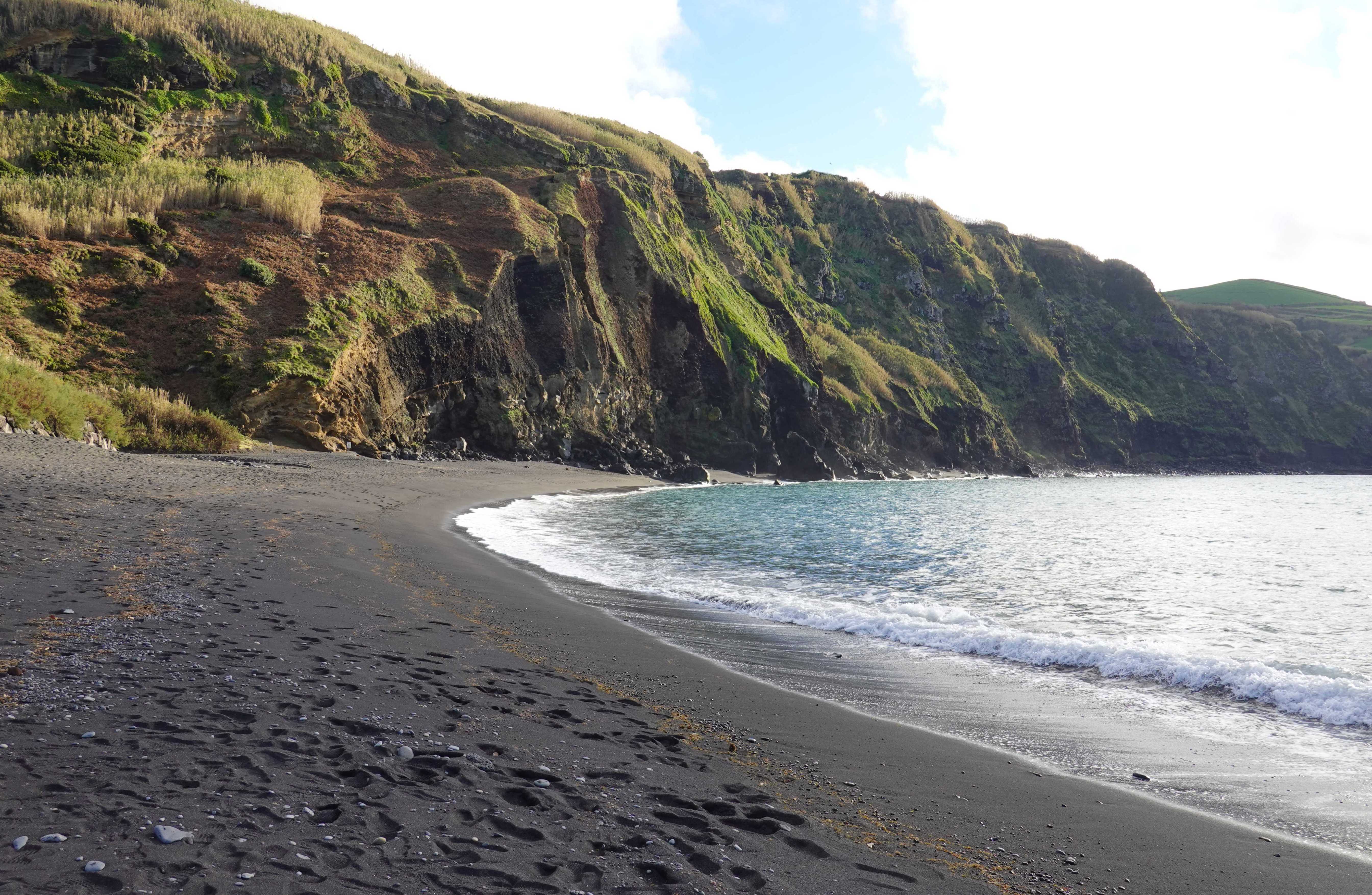
Mosteiros beach
Vila Franca do Campo
I love the dark churches made from volcanic rock. They look ominous. The cross has an “S.P.Q.R.” inscription. I wonder what meaning was put into it given the location.
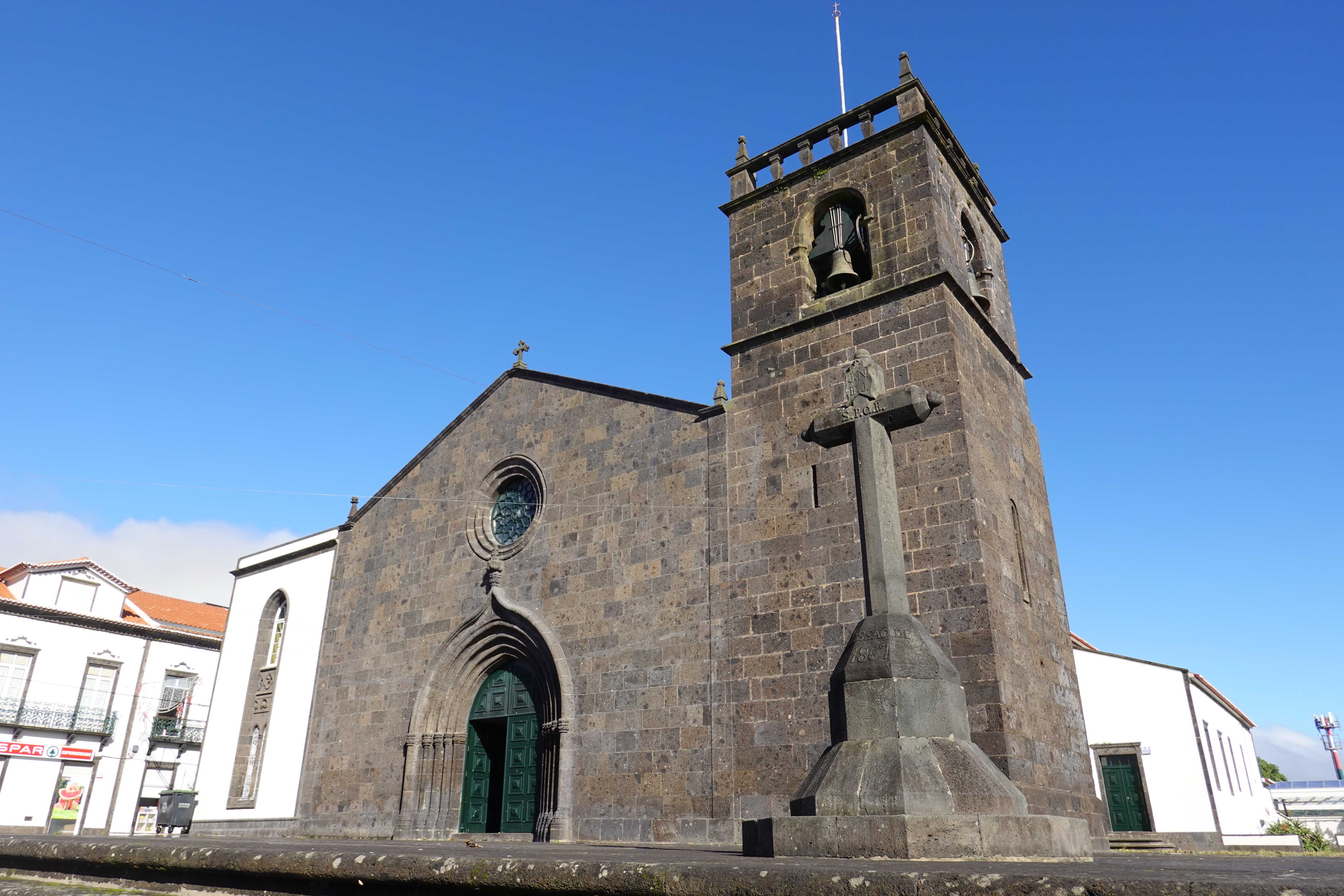
Igreja Matriz de São Miguel Arcanjo
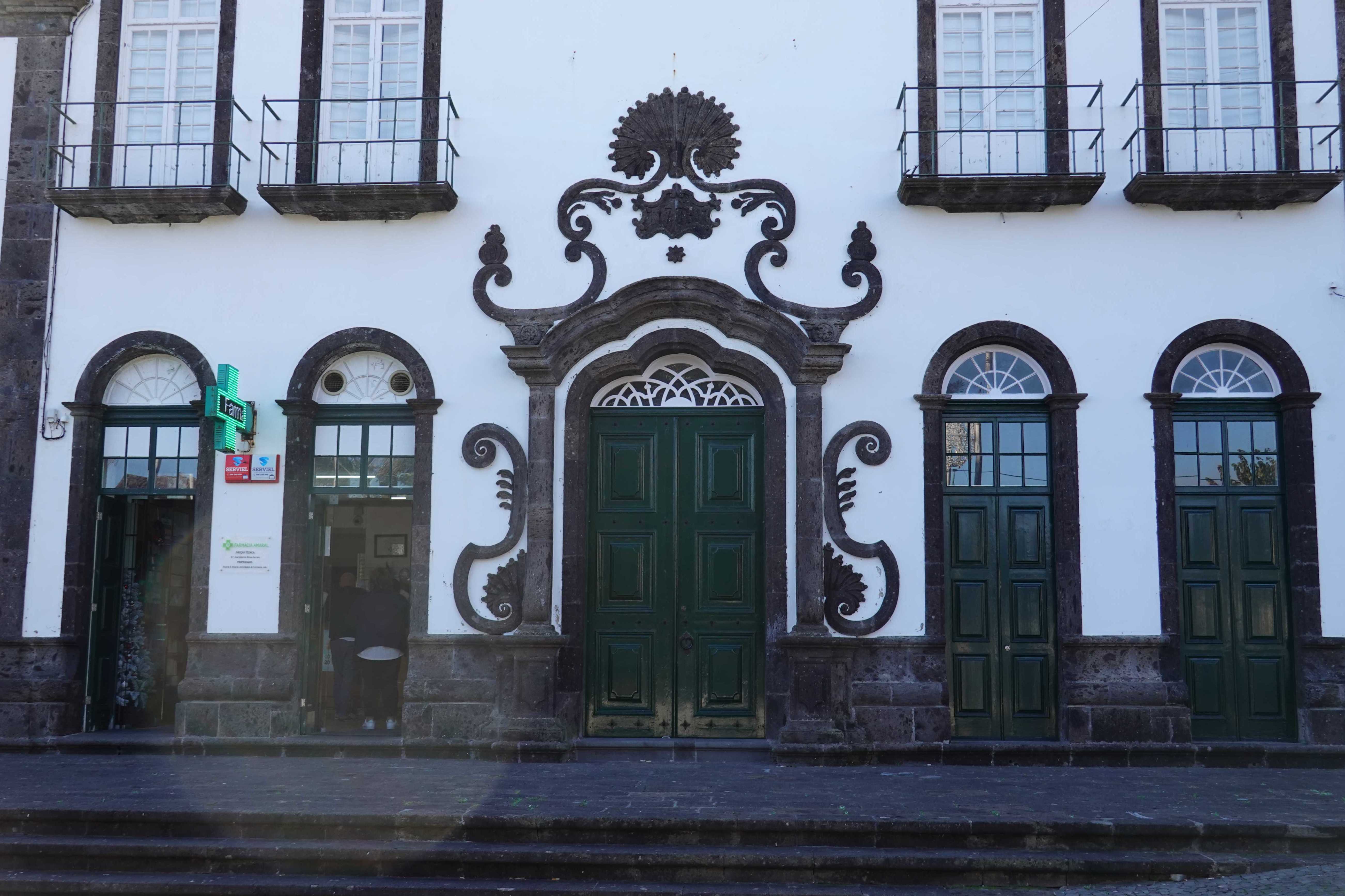
Pharmacy
Up on the hill, above the town, is the sanctuary of Nossa Senhora da Paz.
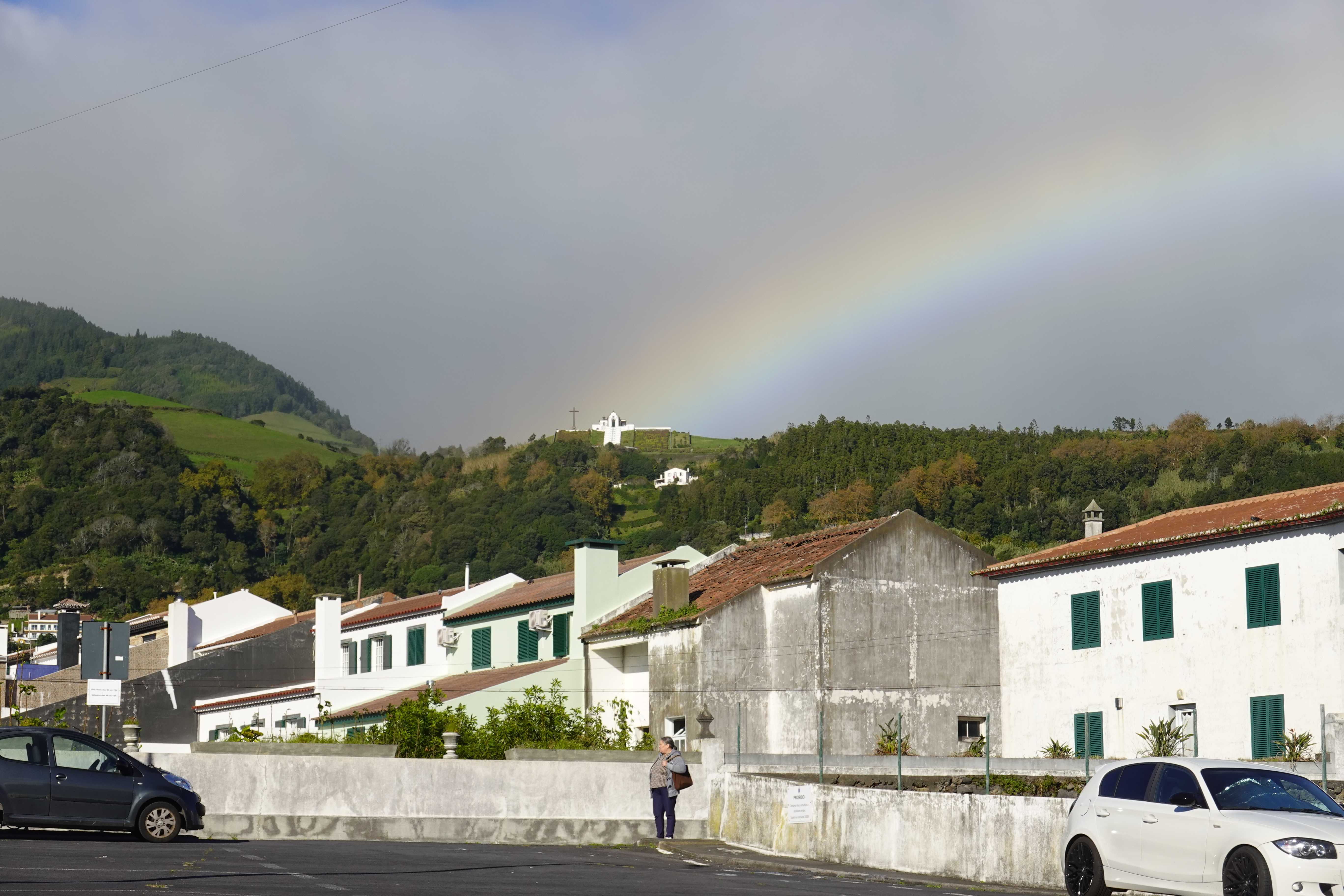
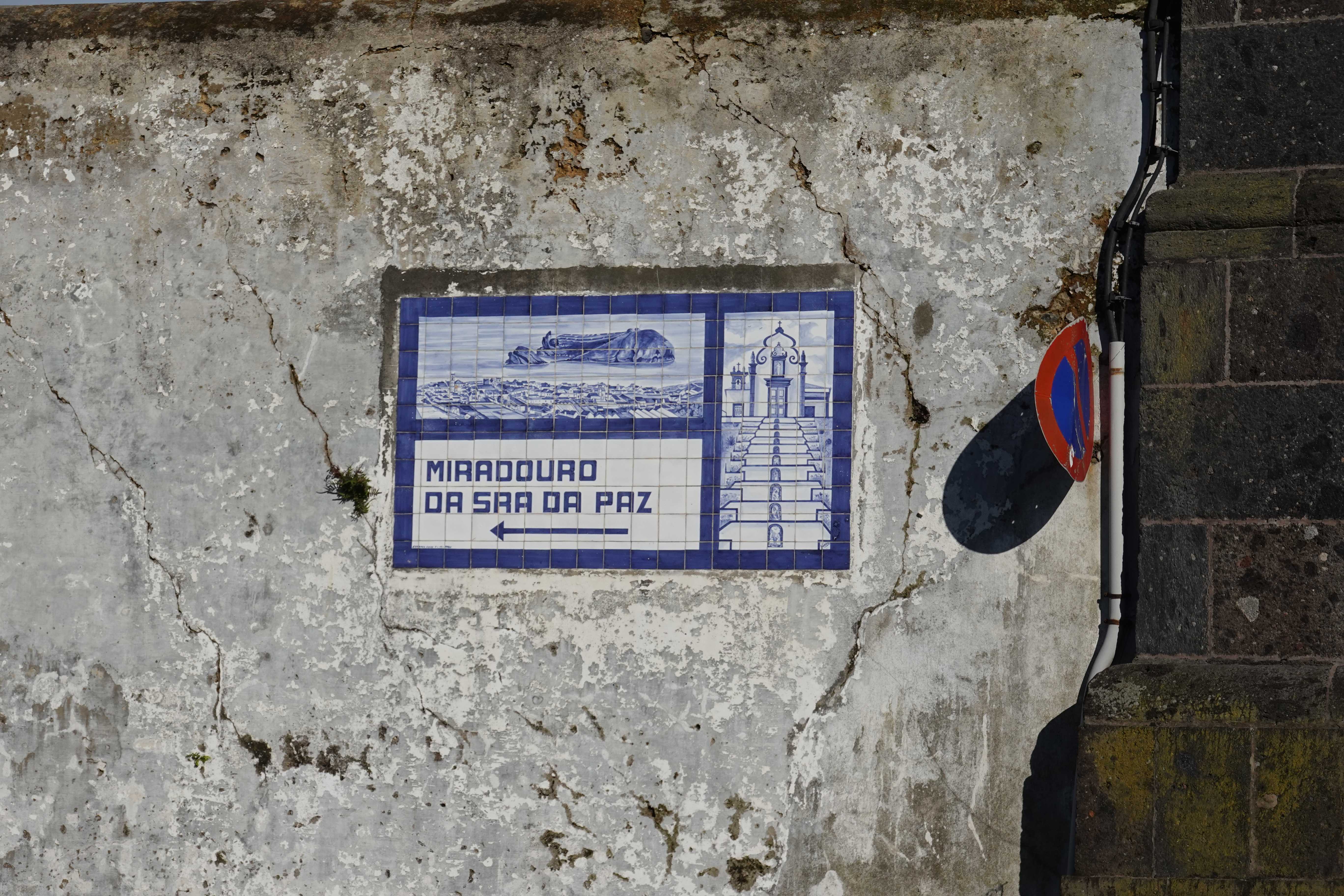
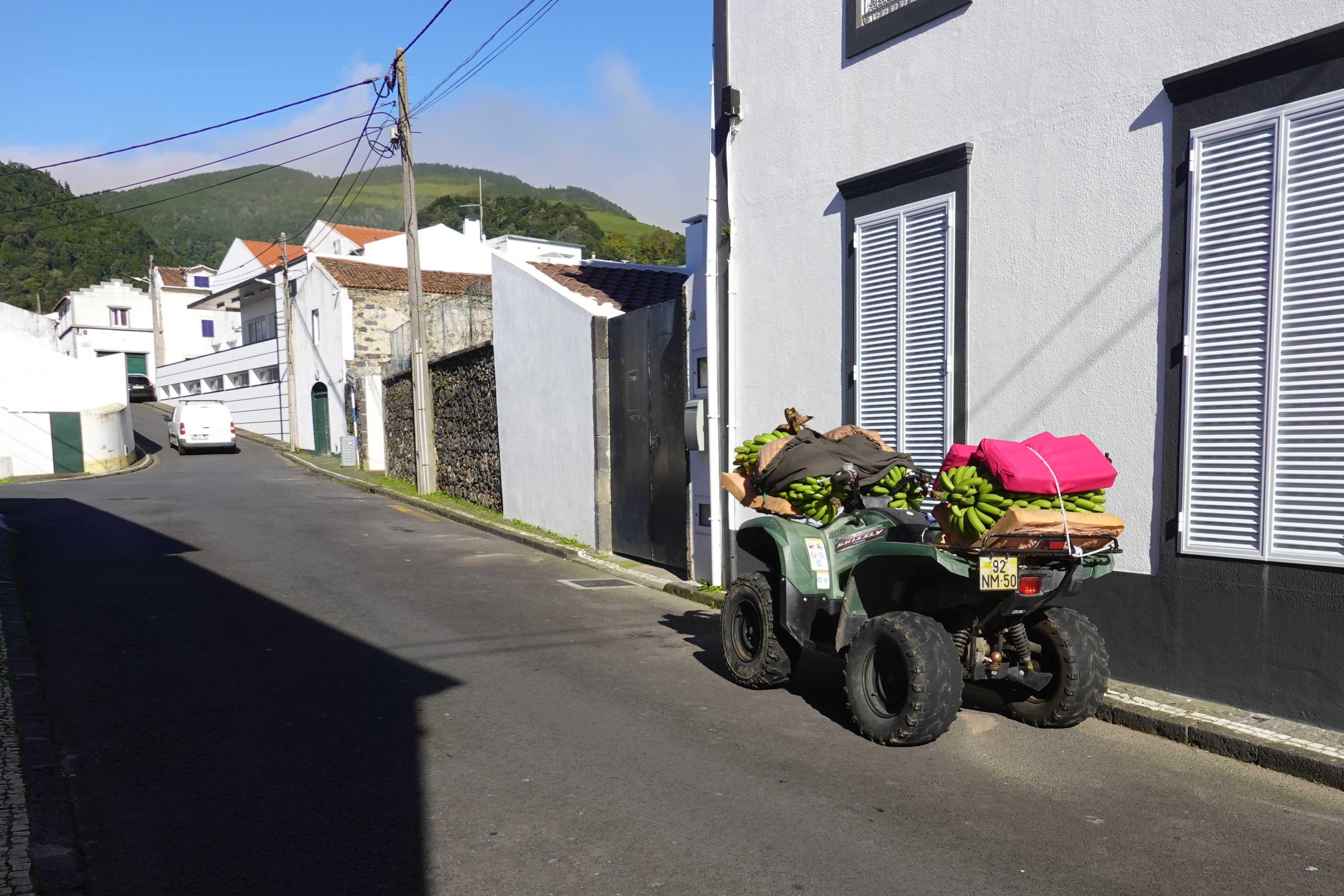
On the way
The church’s cascade reminds me of the Bom Jesus Sanctuary in Braga, but smaller and lonelier. Actually, the whole island is lonely.
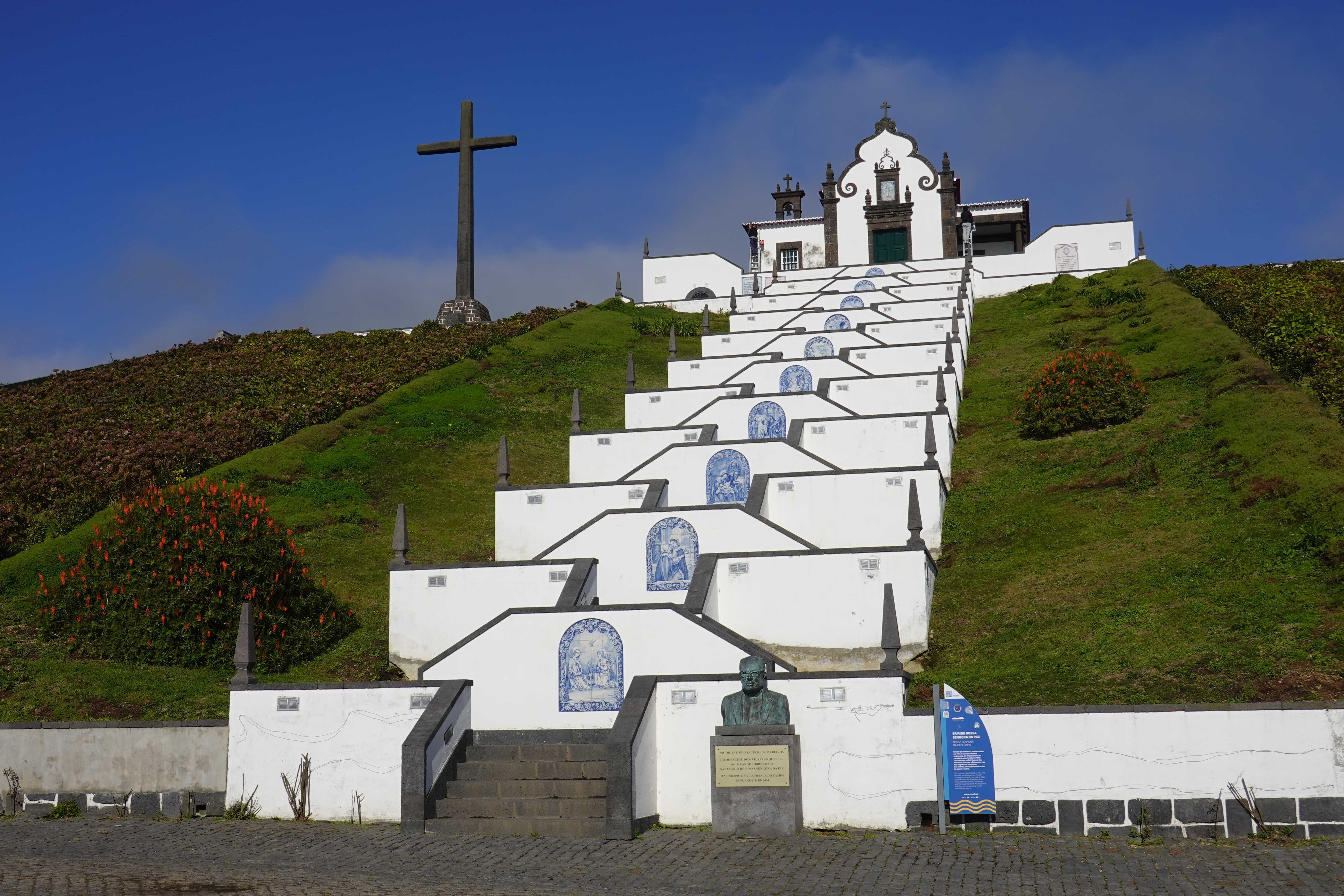
Sanctuary of Nossa Senhora da Paz
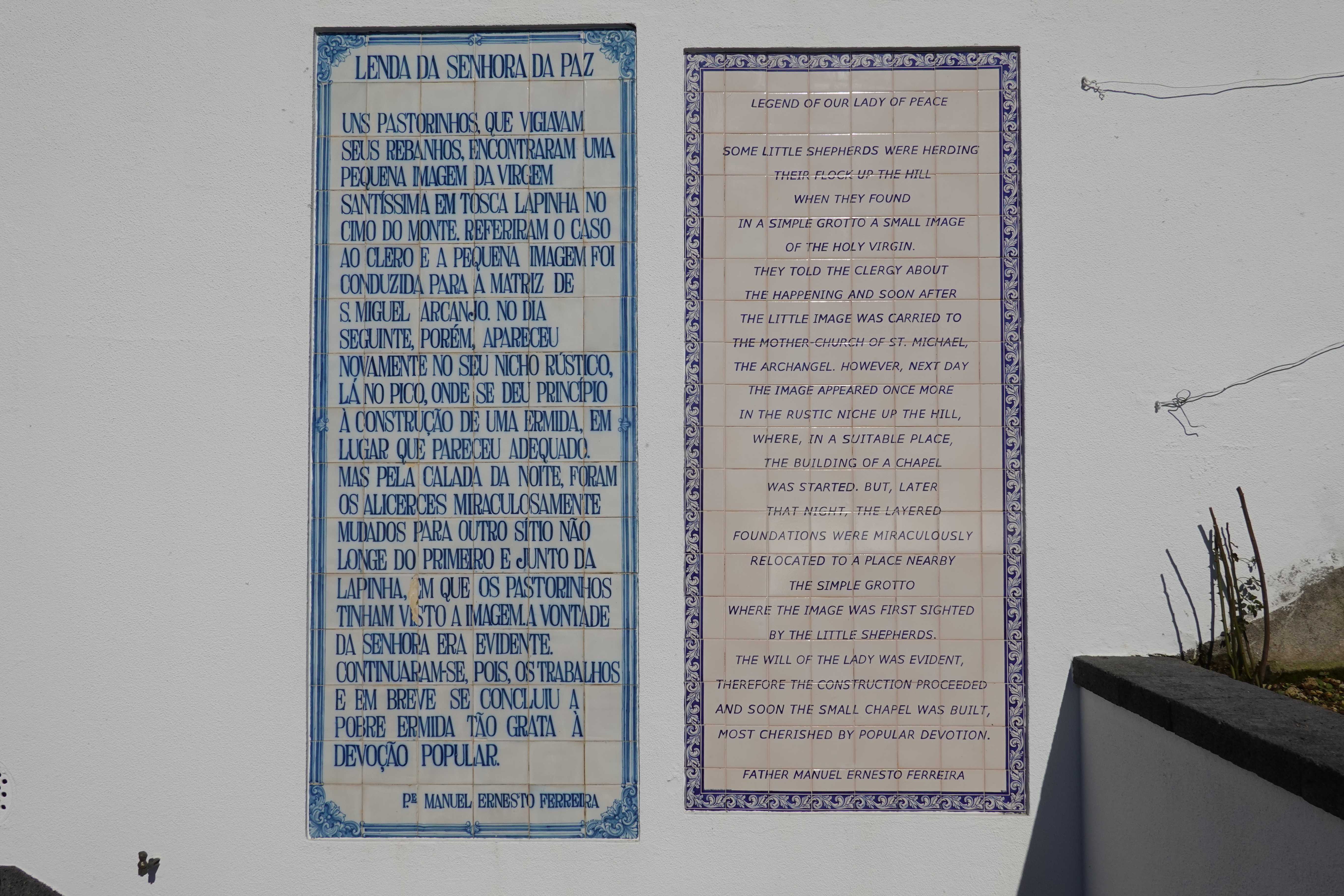
The legend
The views from the top are fantastic. I love the black volcanic cross.
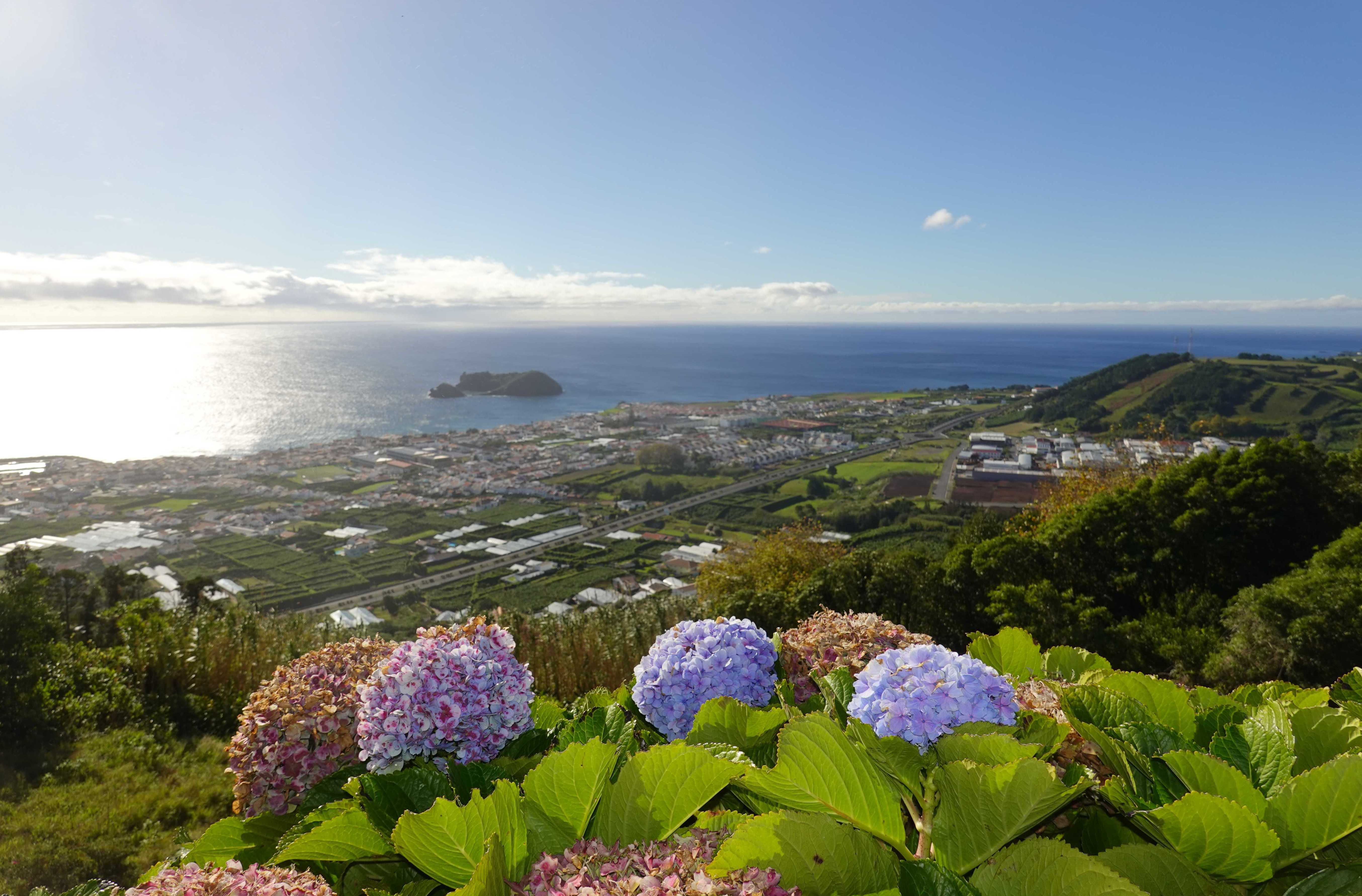
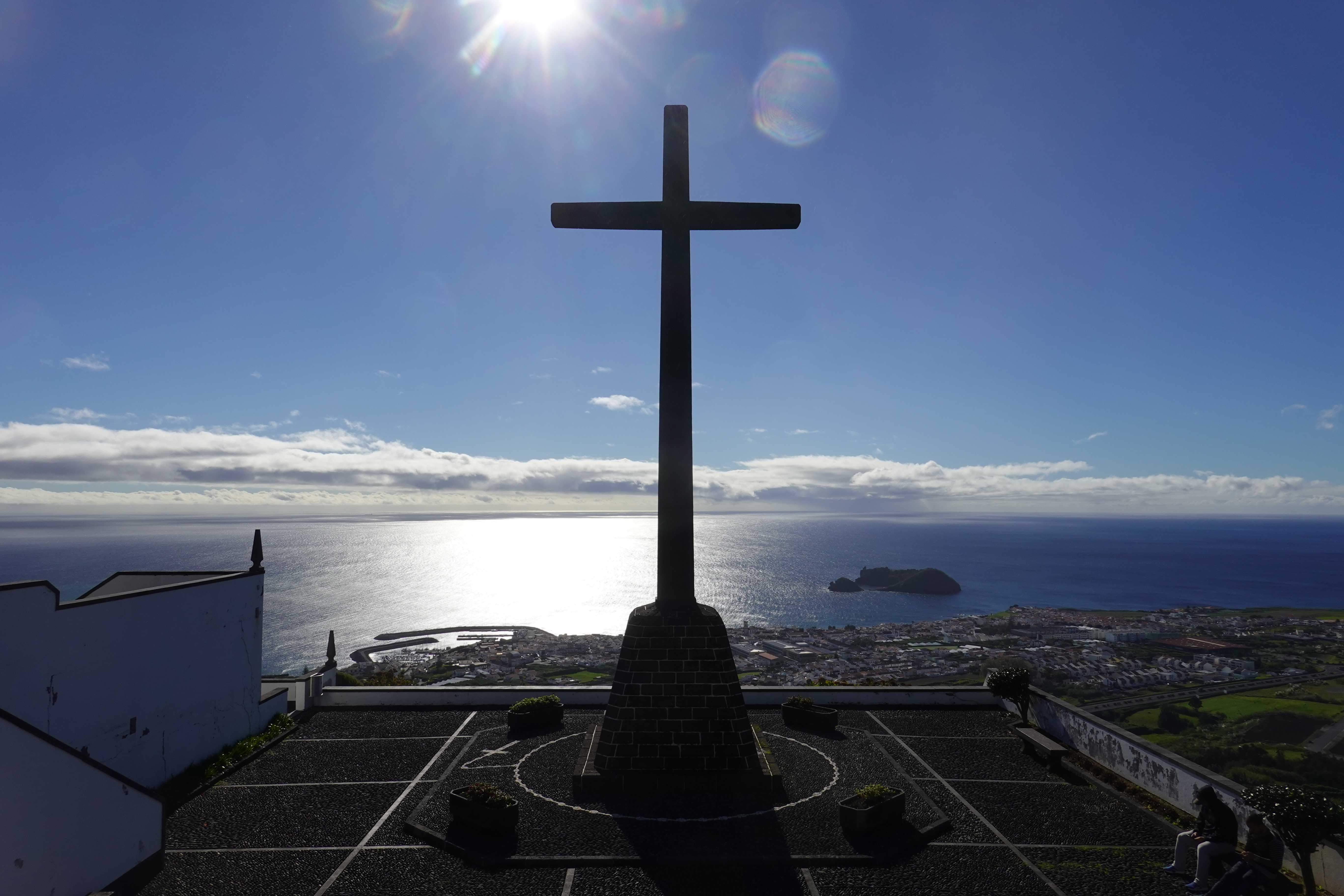
View from the top
On another day, I made a small hike nearby around a waterfall, named Cascata do Segredo, which translates as “the secret waterfall”. I found the name to be very fitting. In fact, having discovered just about any waterfall, I would’ve been inclined to call it that way. Waterfalls are secret, intimate places.
I enjoyed the lush green forest, encountered unusual plants and swam in the cool water. It felt very fresh and enriched my understanding of the island’s nature, which I still didn’t fully grasp. It’s both tropical and northern.
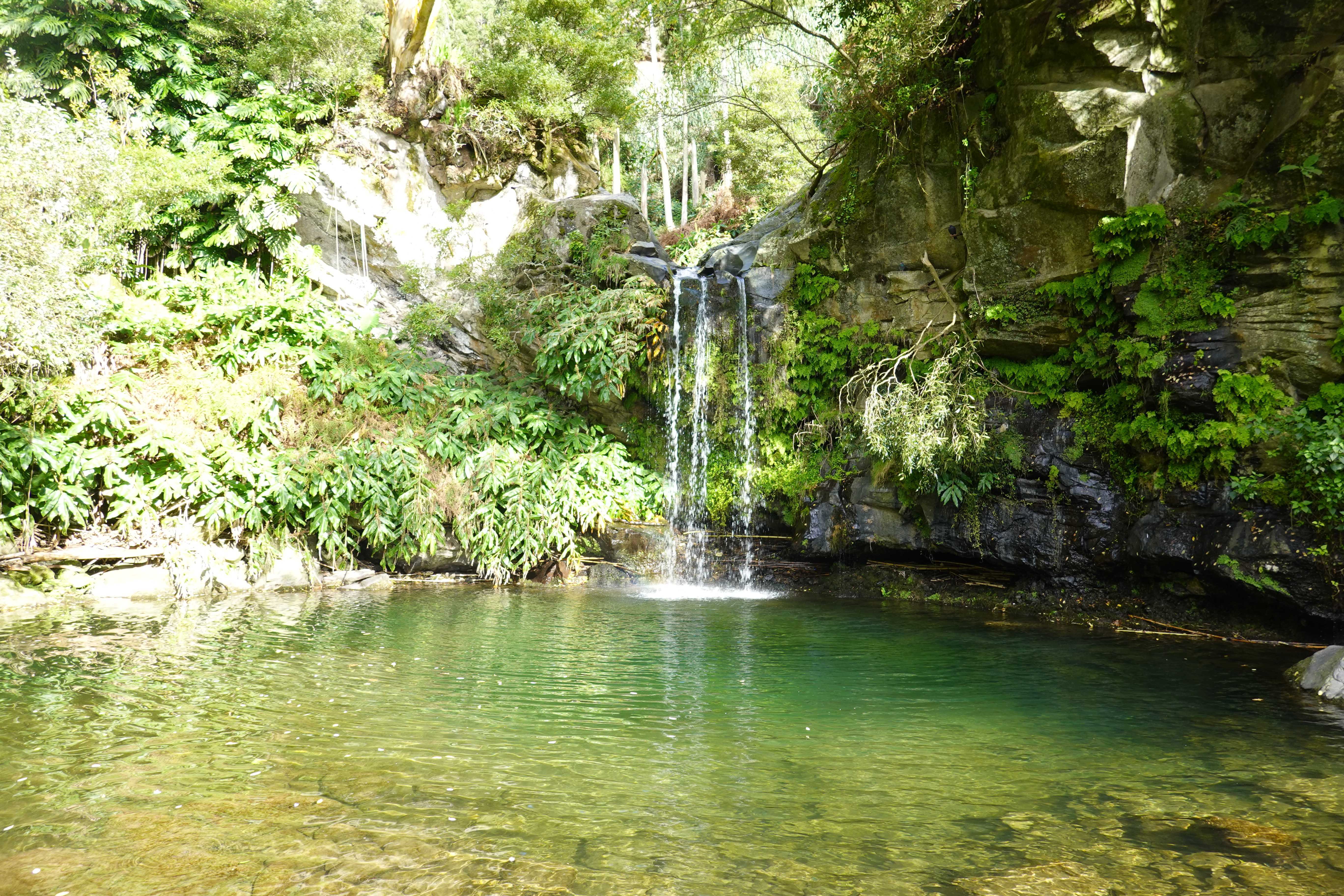
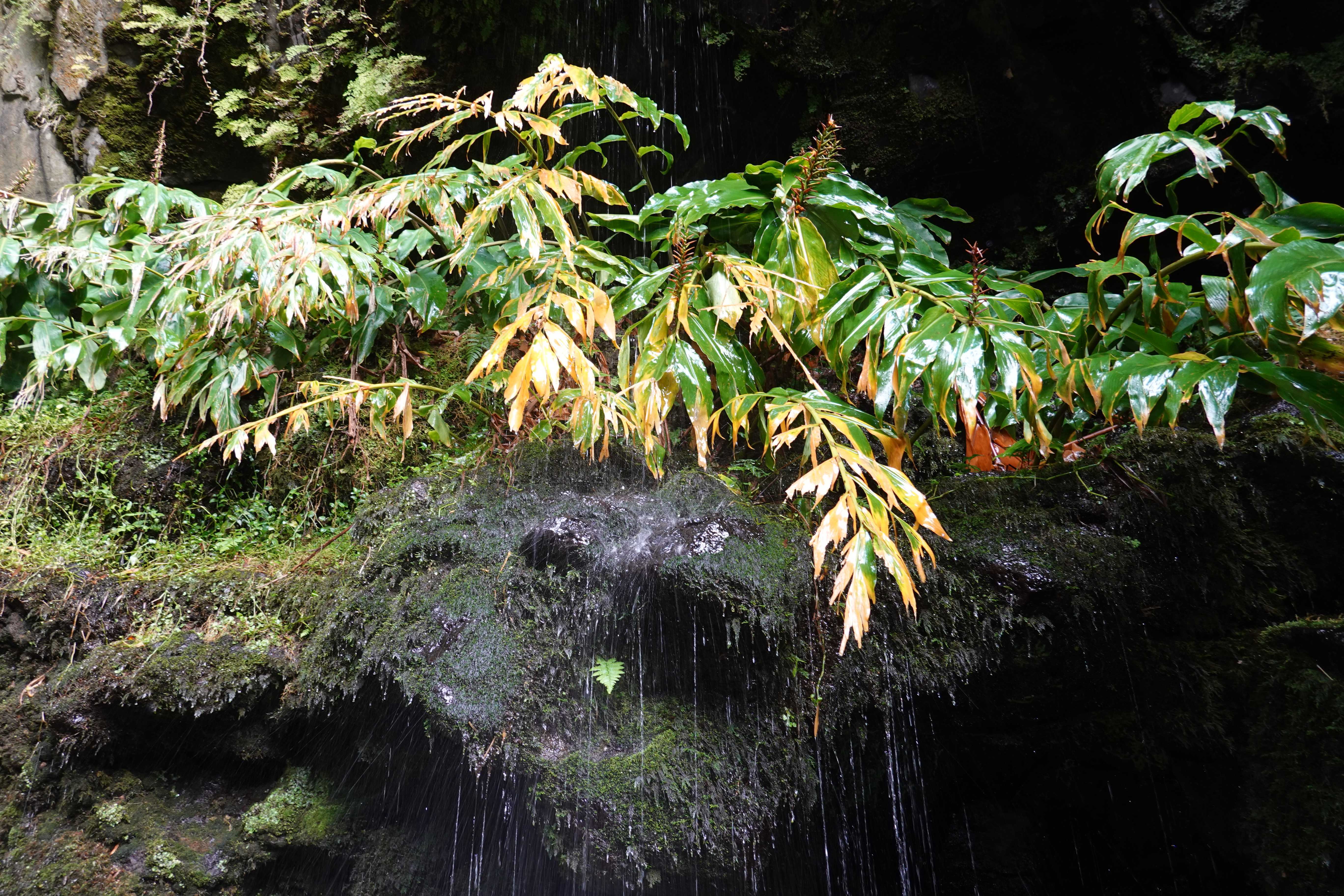
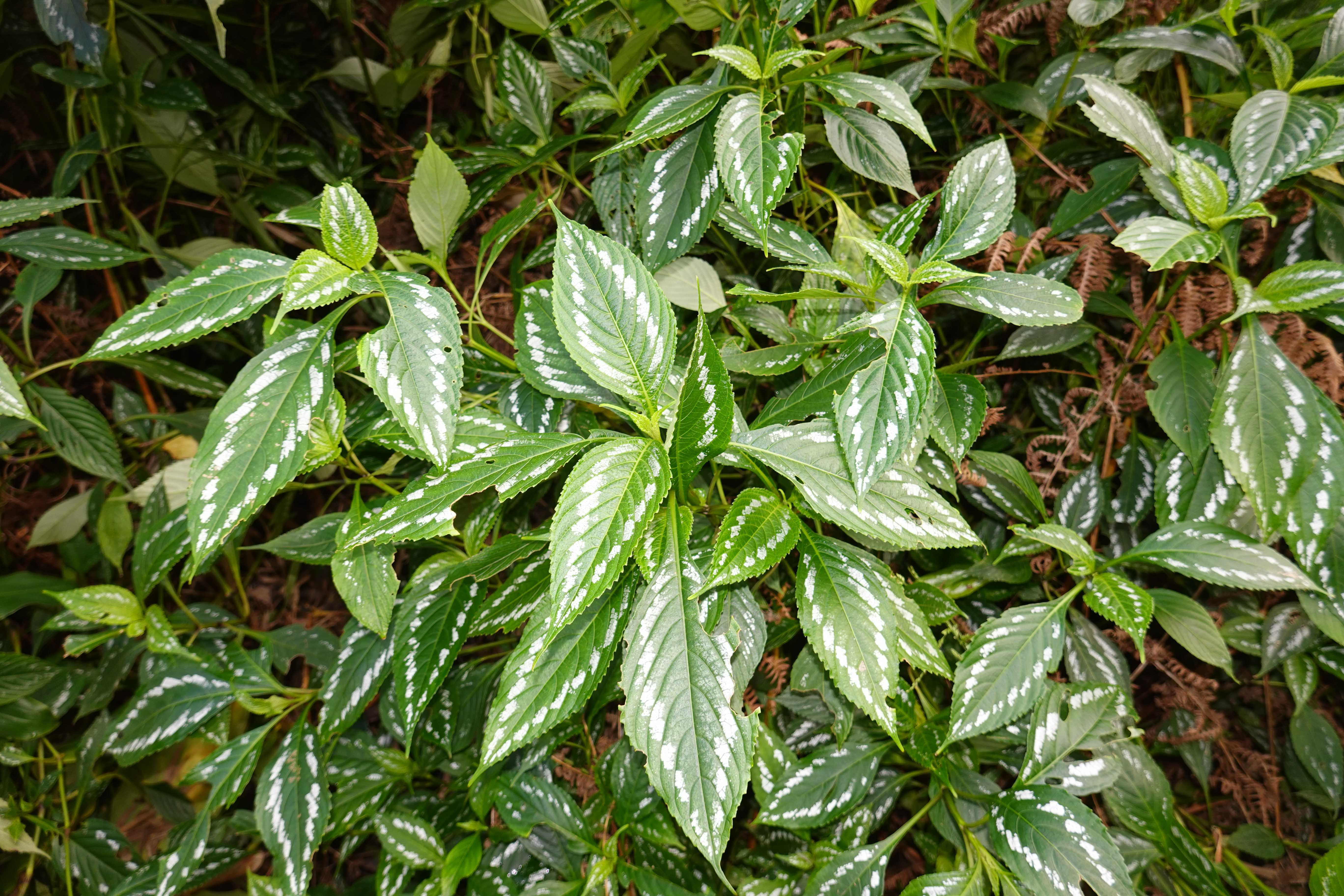
Cascata do Segredo hike
The trail passed through remains of an abandoned hydroelectric station, but I didn’t care for it at all. I never understood what draws people to abandoned structures unless they’re very old.
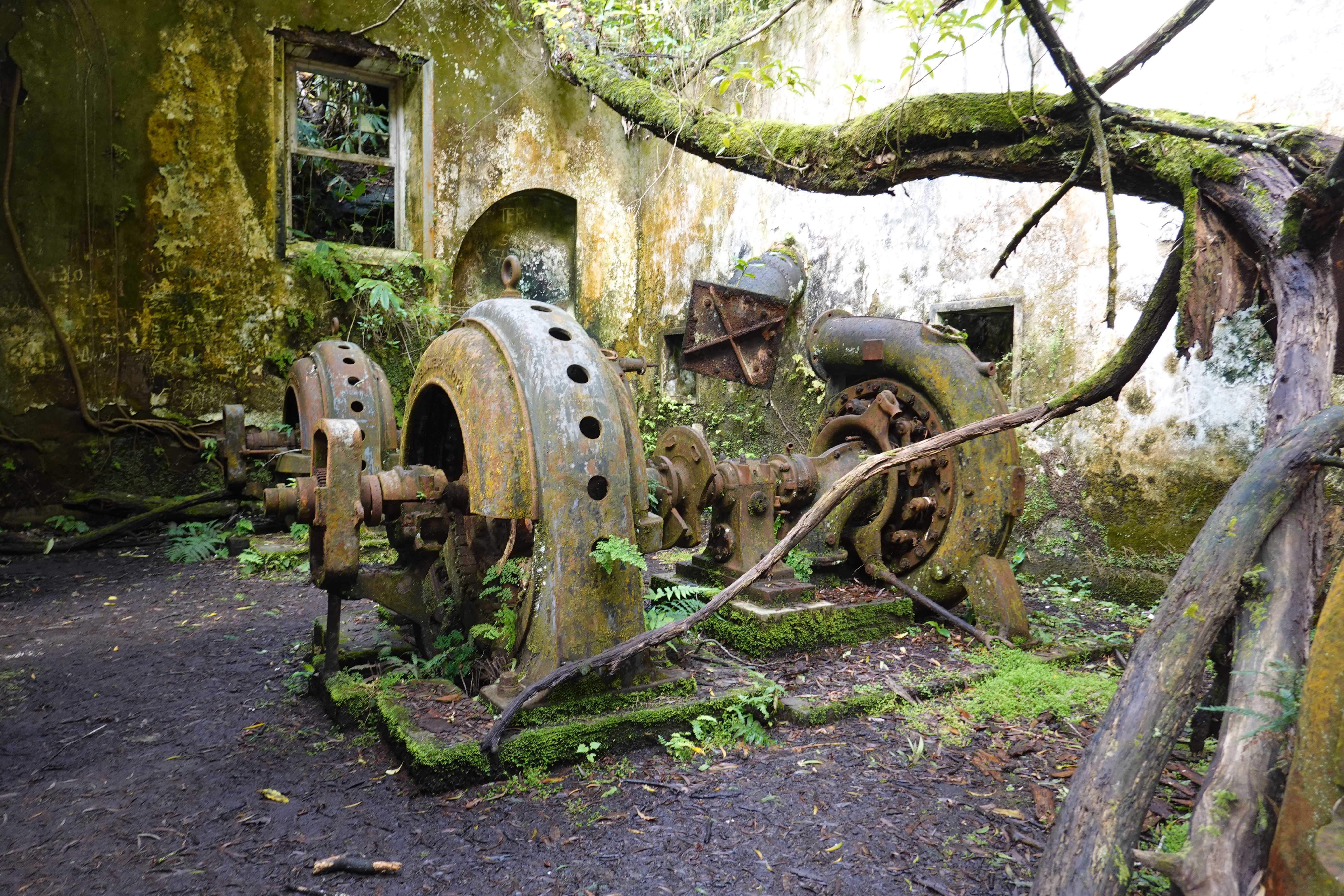
Abandoned hydroelectric station
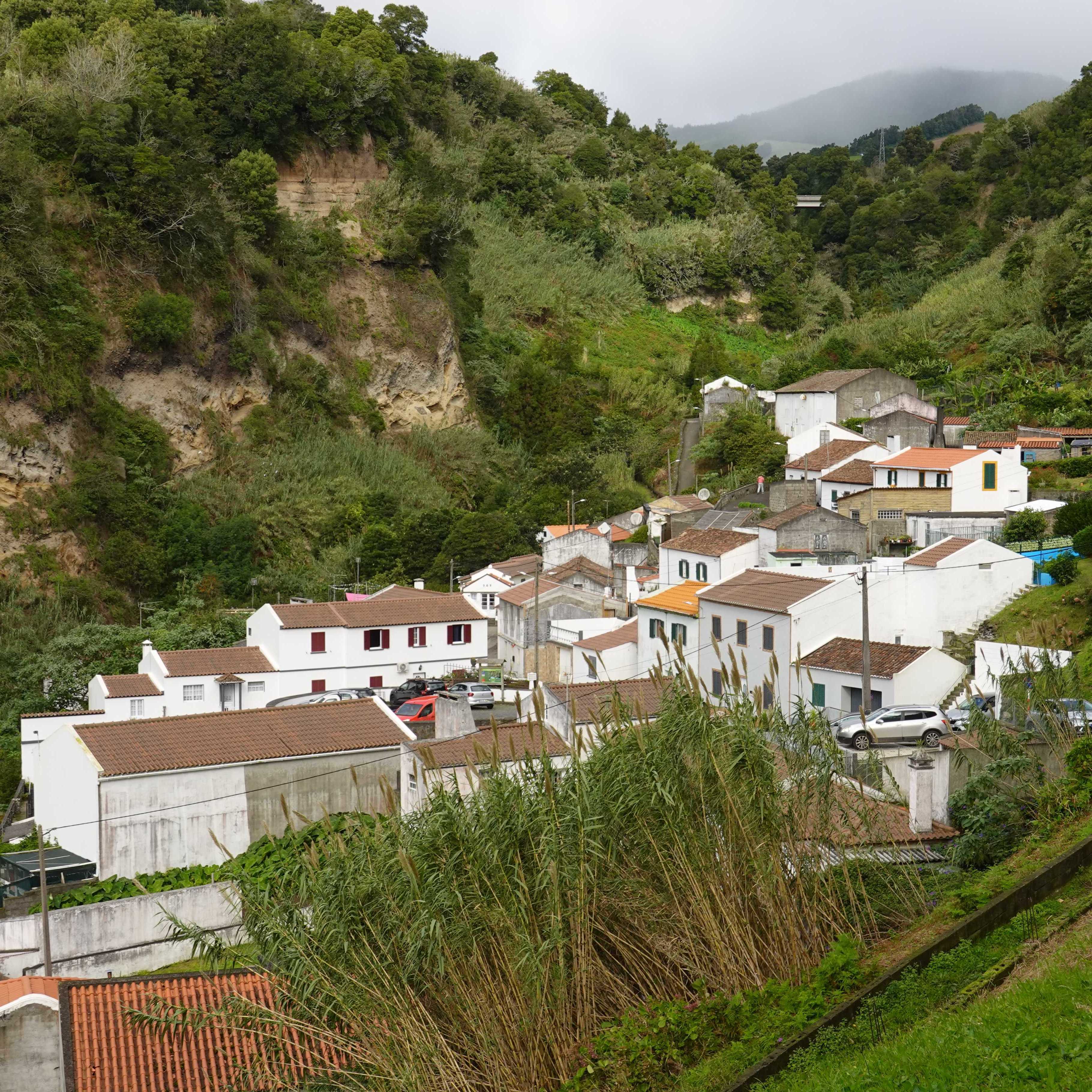
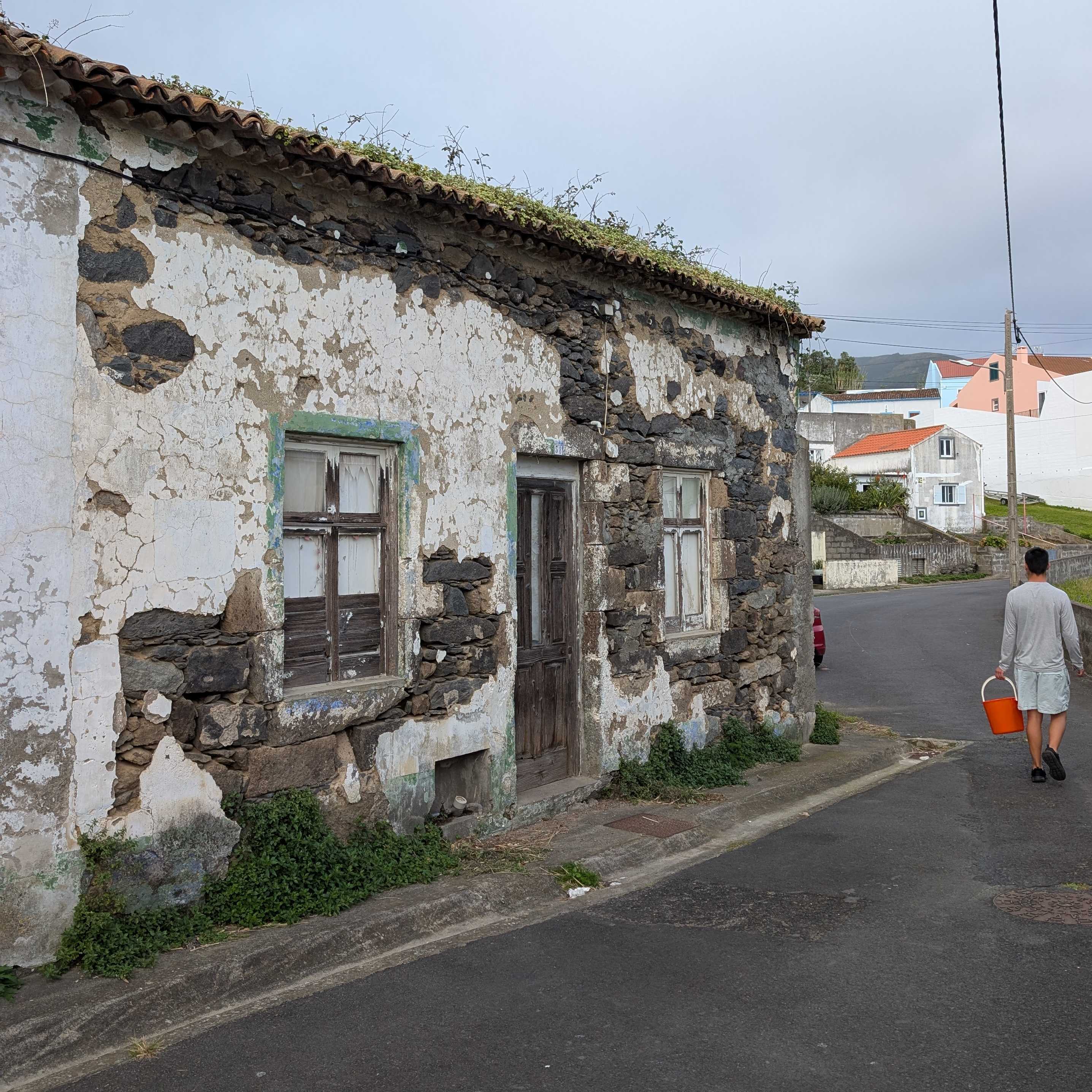
Village
Furnas
Furnas is full of volcanic hot springs, which makes the whole town smell particular. In the Caldeiras park you could also see and hear them. There was a nativity scene arranged around the springs, right in the middle of the steam.
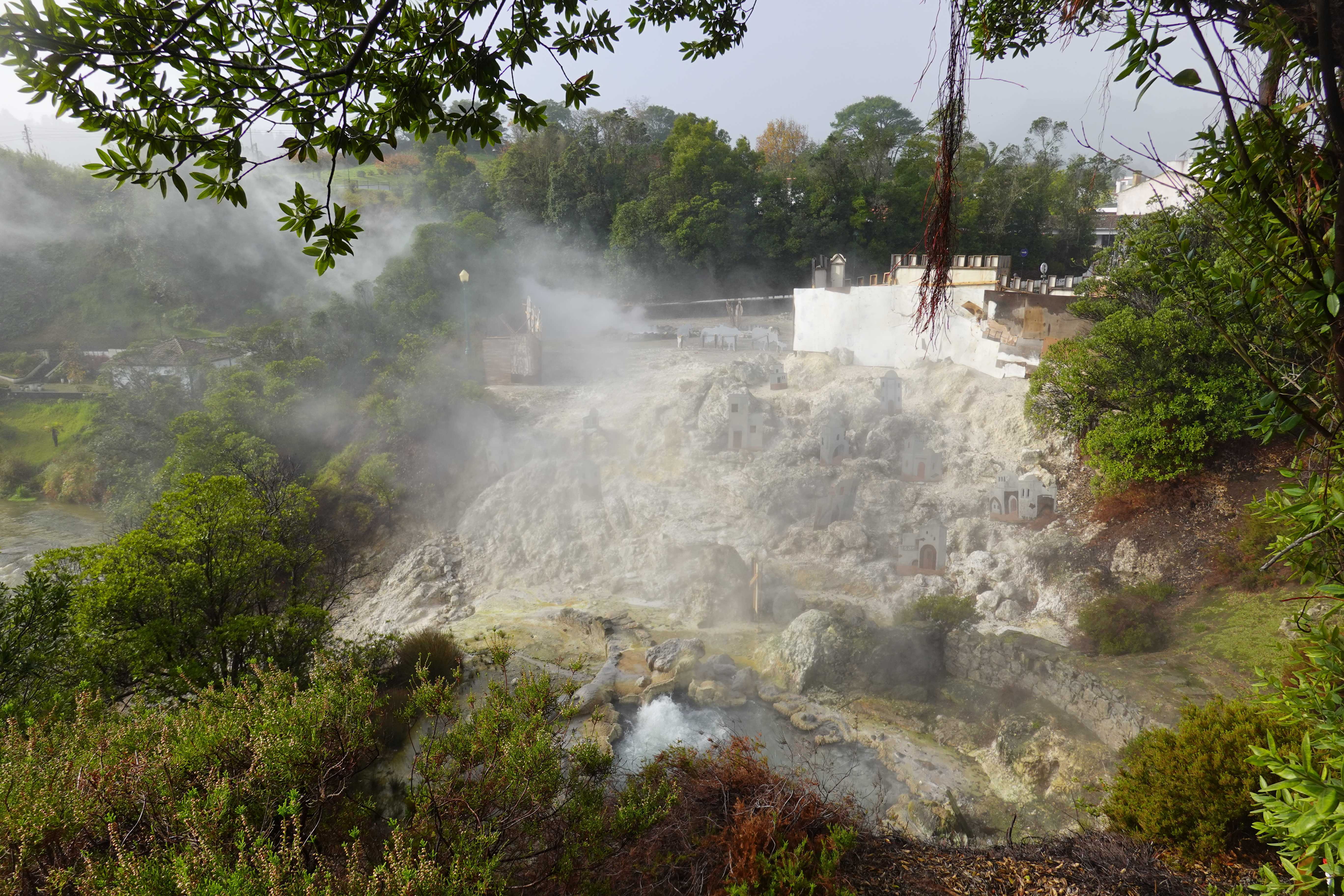
Caldeiras park
At the water fountains you can taste them. The water has a pronounced metallic taste and slightly carbonated, feeling electric. Interestingly, the fountains are labeled with exact temperature. Some of them are very hot.
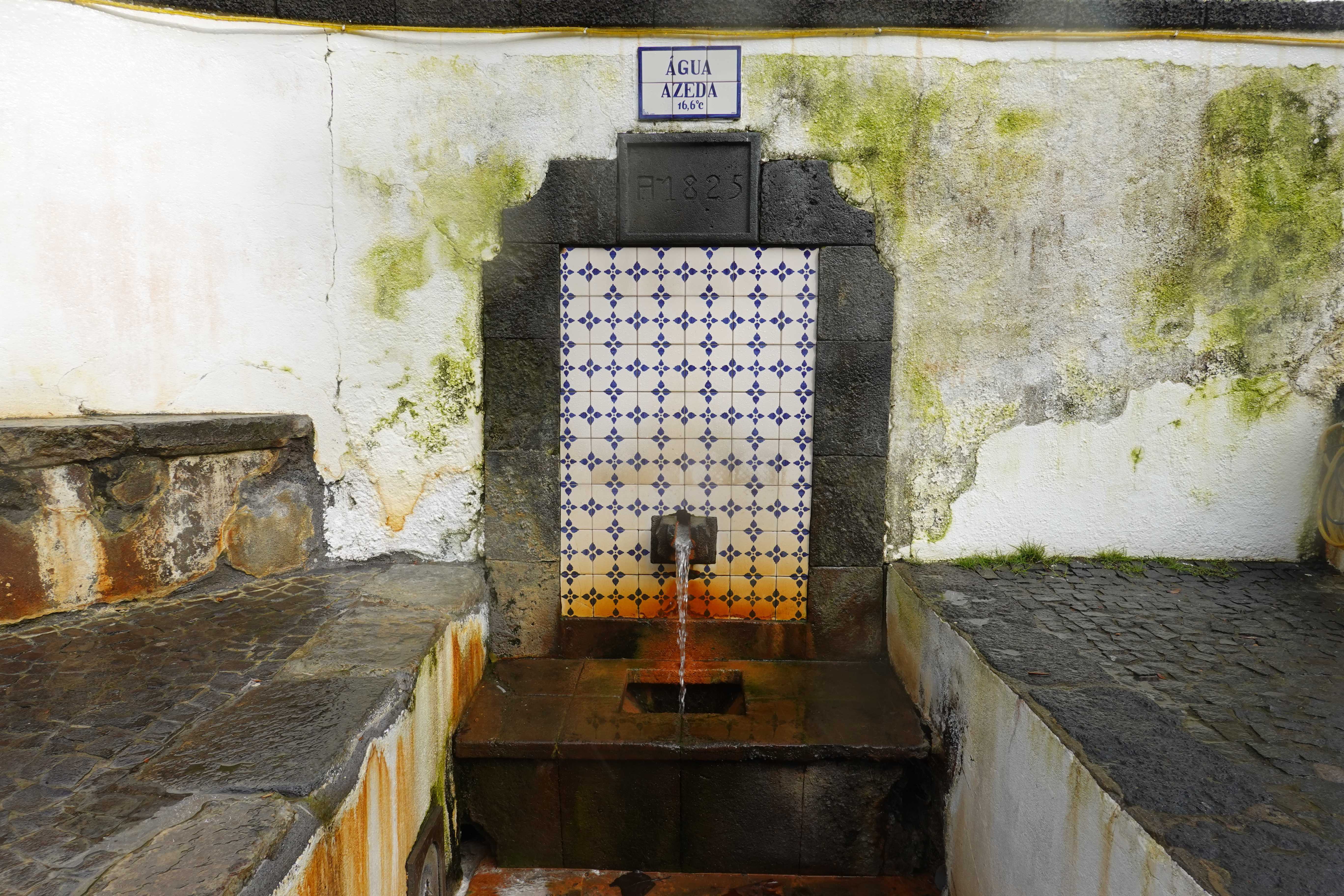
Water fountain
Finally, the ultimate experience is bathing in the springs. I visited the smaller Poça da Dona Beija thermal park. It was warm and cozy especially with the colder weather. I also loved greenery around and recall the distinct colour combination of red iron and all sorts of green plants.
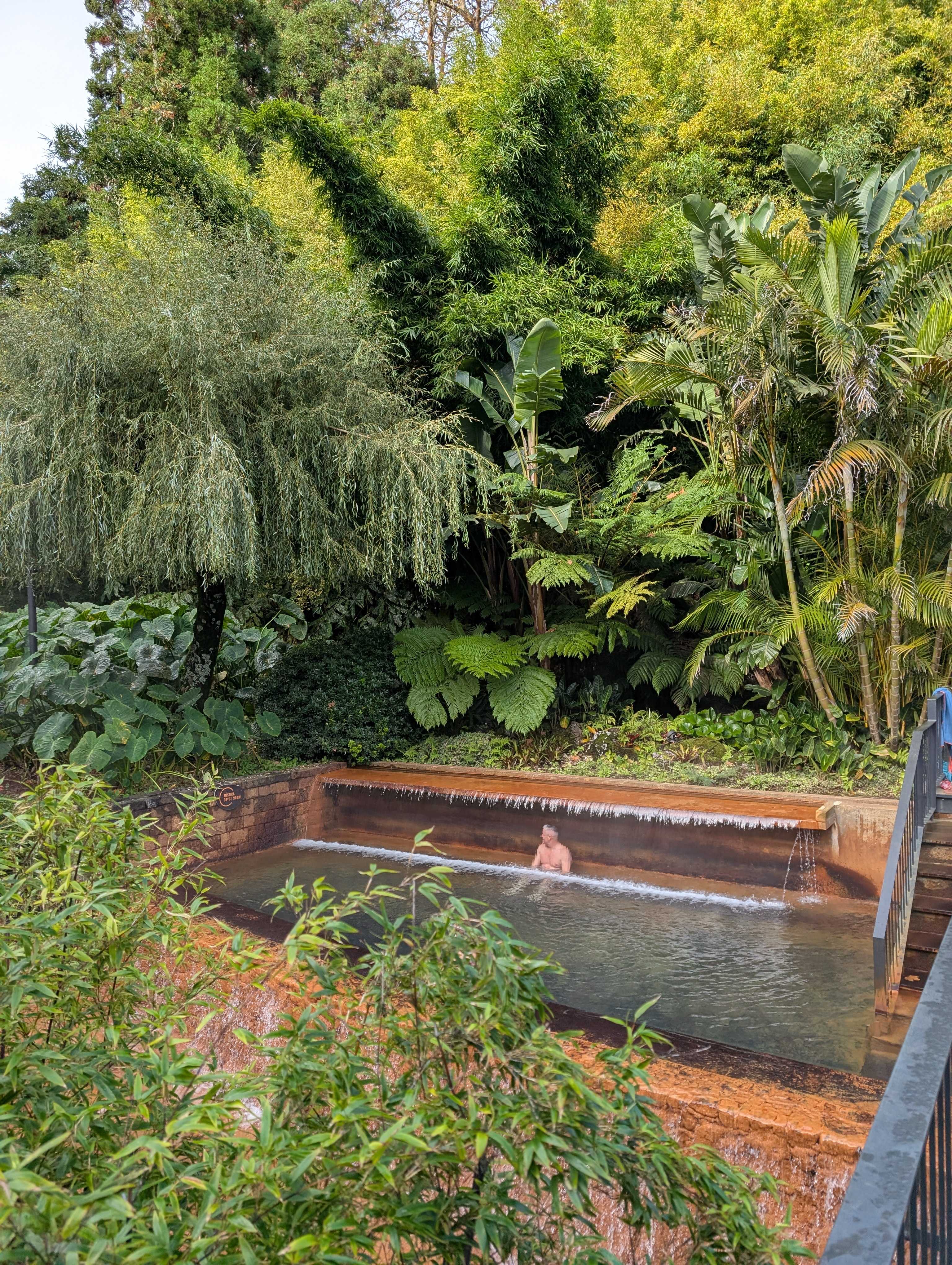
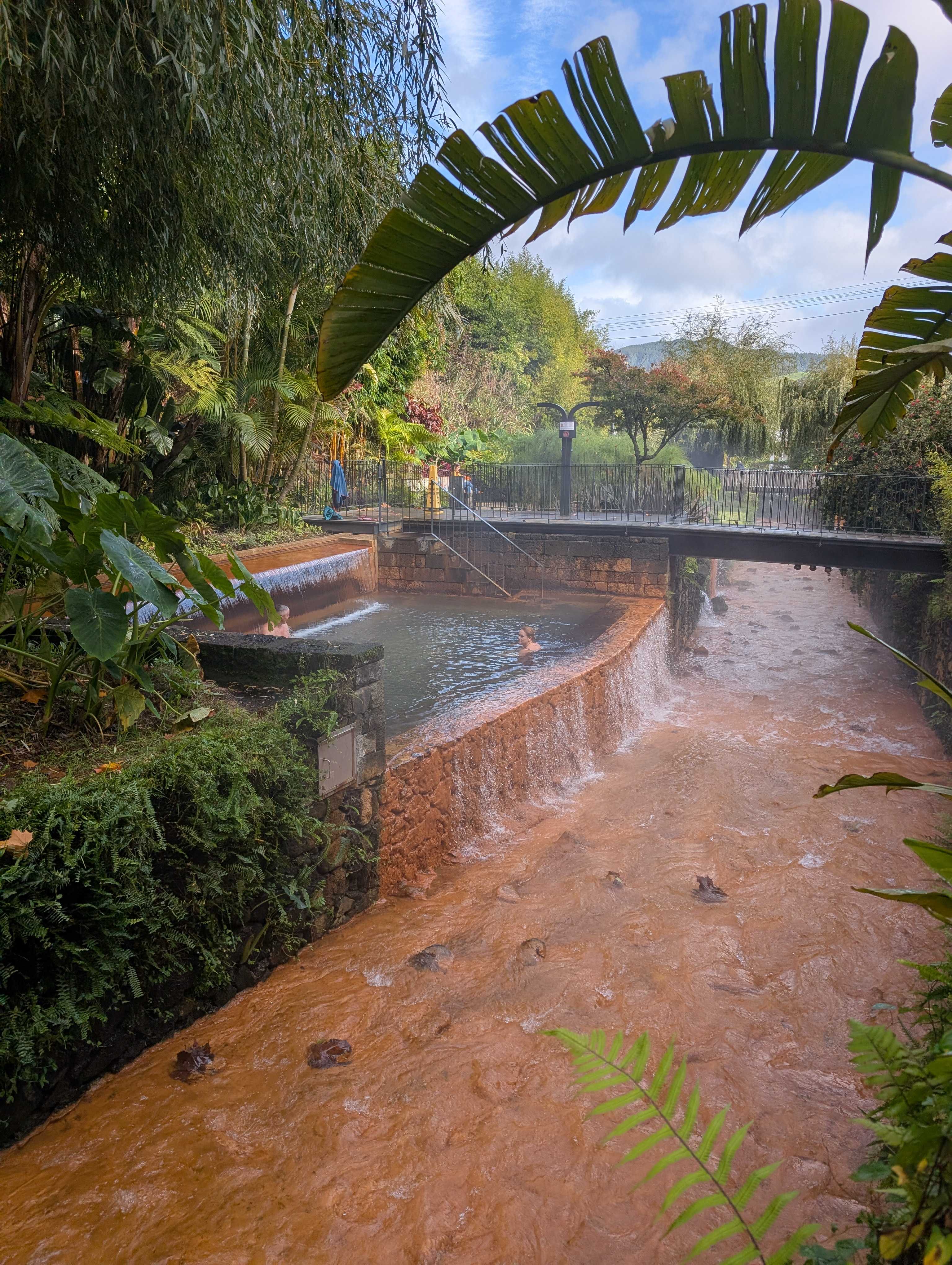
Poça da Dona Beija thermal park
Furnas has hints of green in the town structures too.
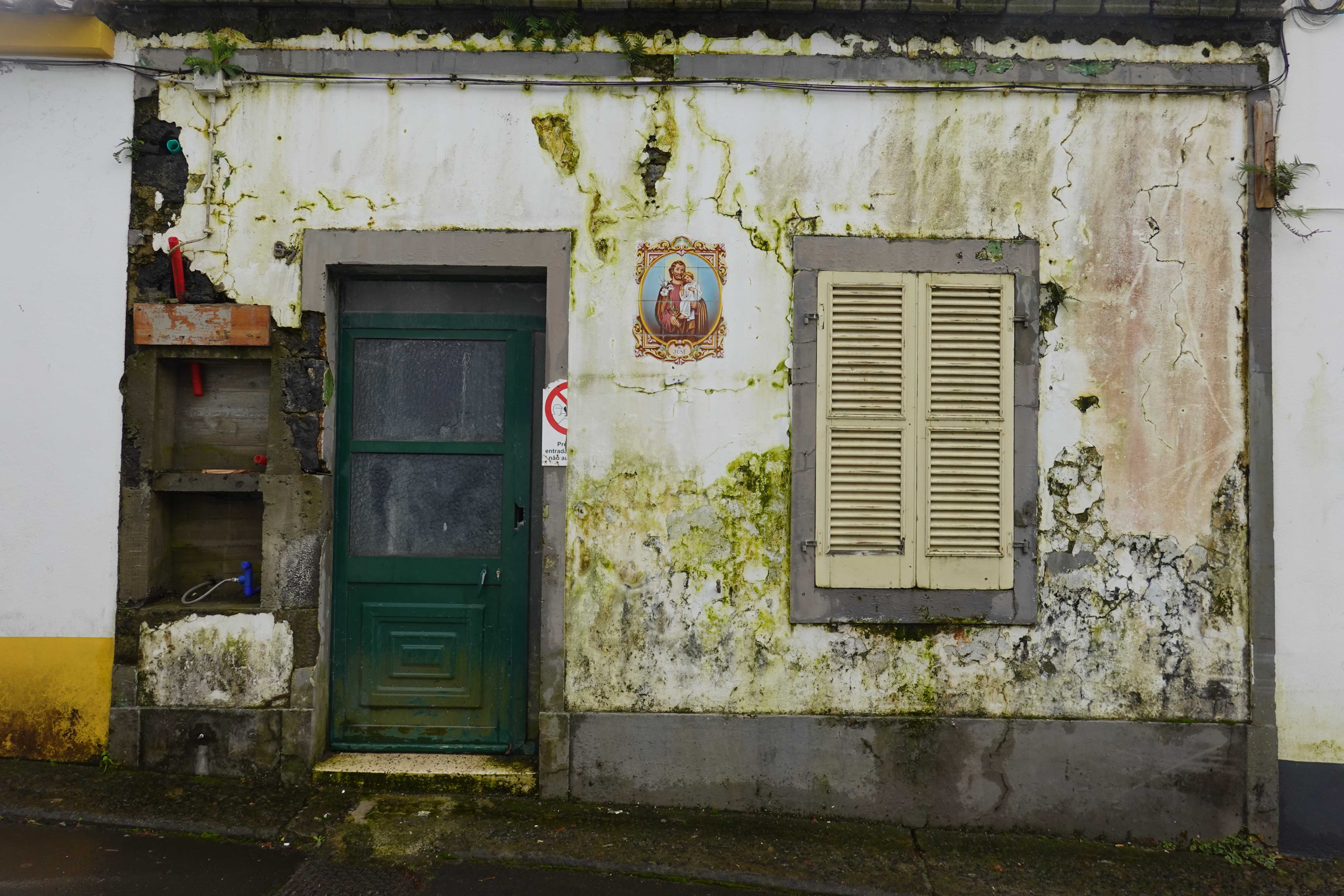
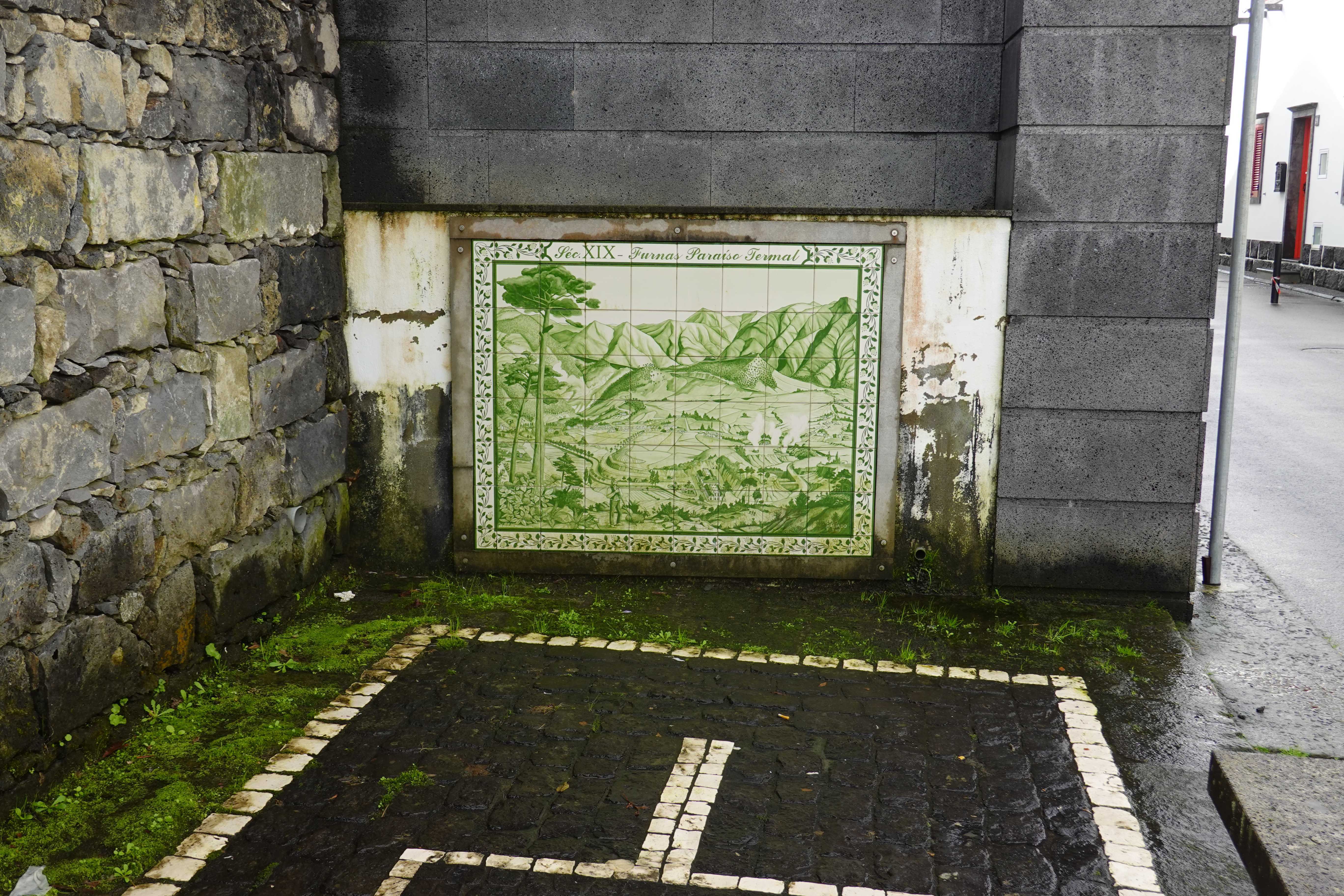
Green tint
Finally, I walked to the lake. It was the first time I walked through a bamboo forest. I also loved the solemn grey gothic church.
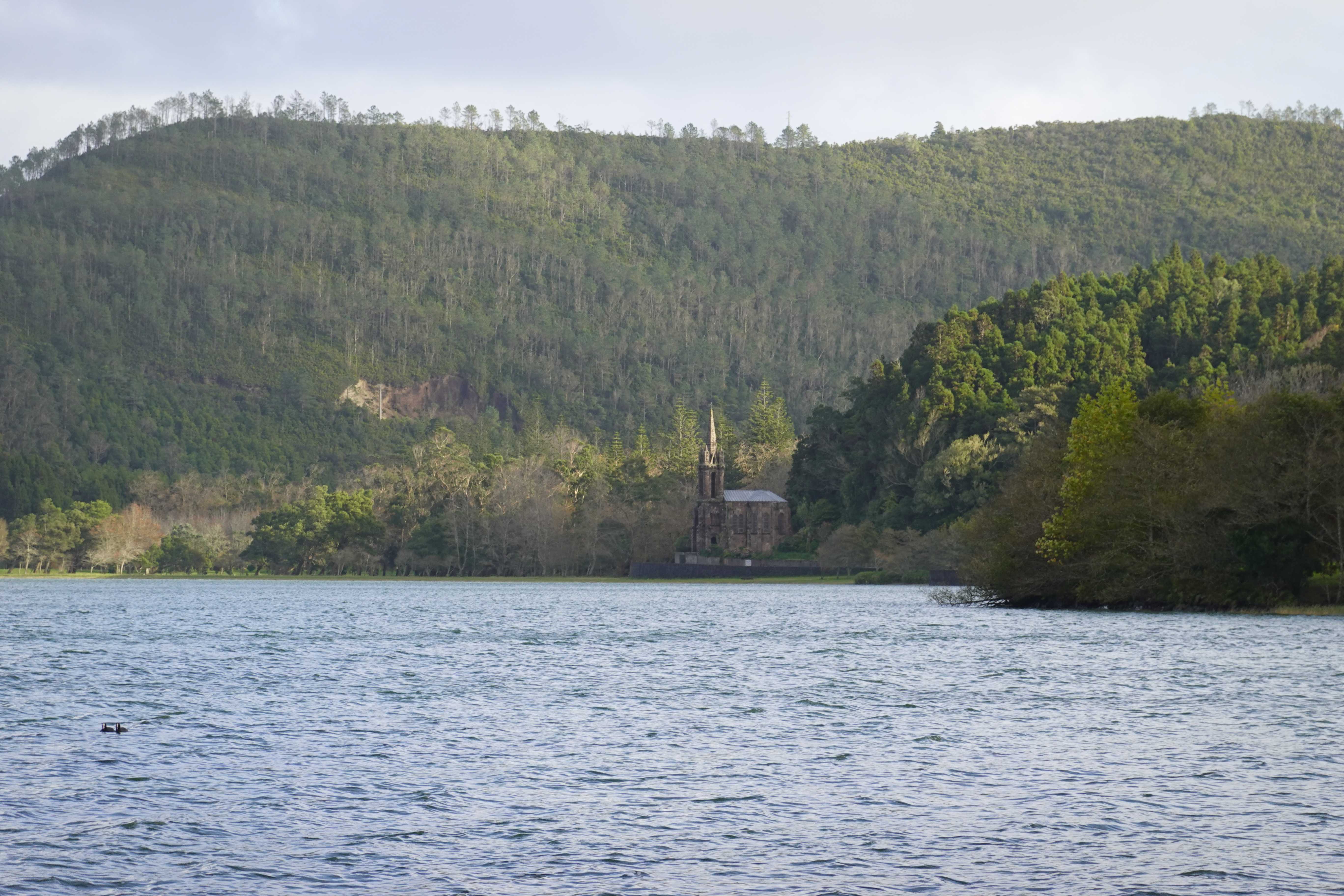
Furnas lake
After visiting the lake, I hitchhiked back to Ponta Delgada. I waited 40min for a ride and joined the driver on a side quest to get a ridiculously large amount of water from one of the fountains. I filled my modest water bottle too. This took quite some time, so I admired the sunset out of the car window. This was my last night on Sao Miguel.
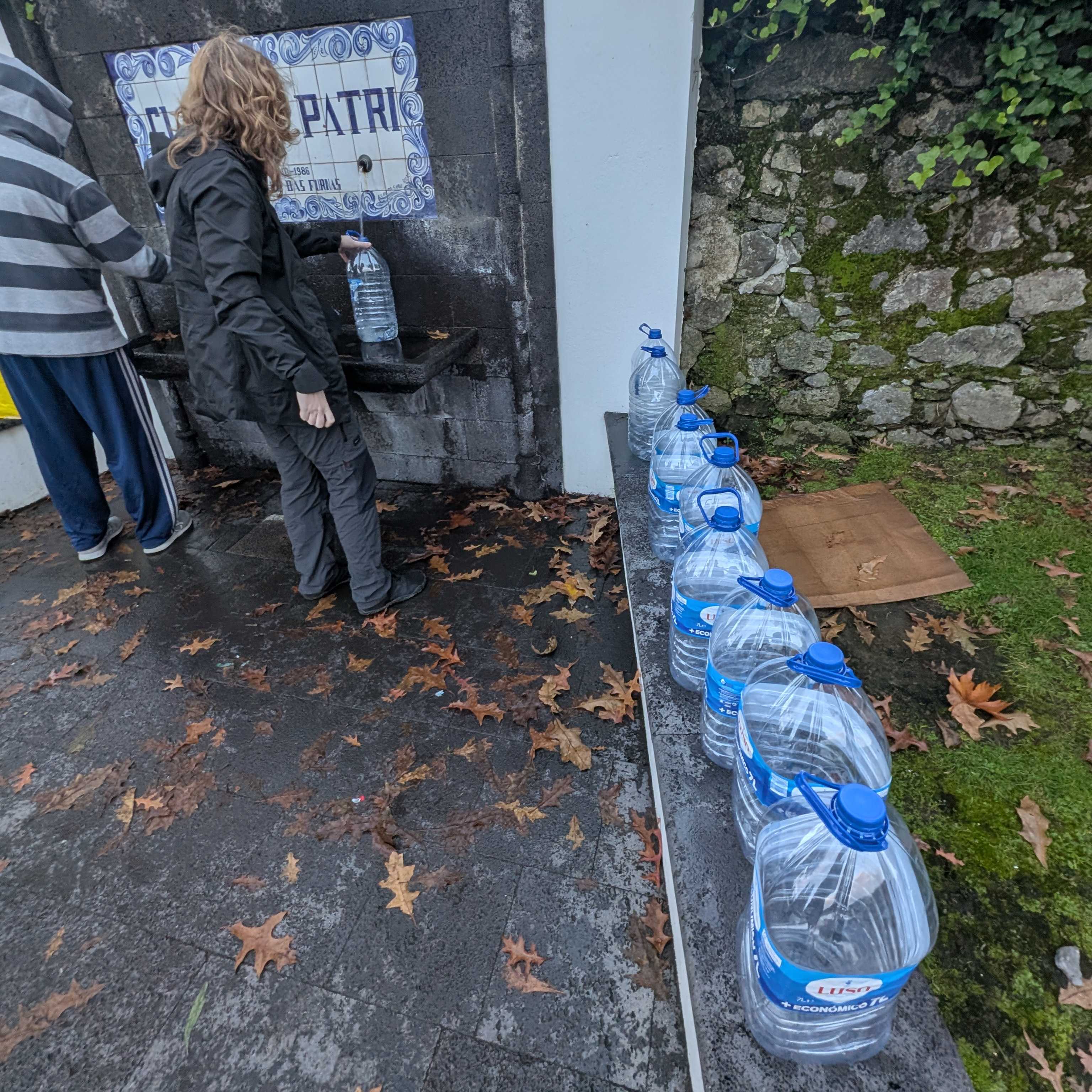
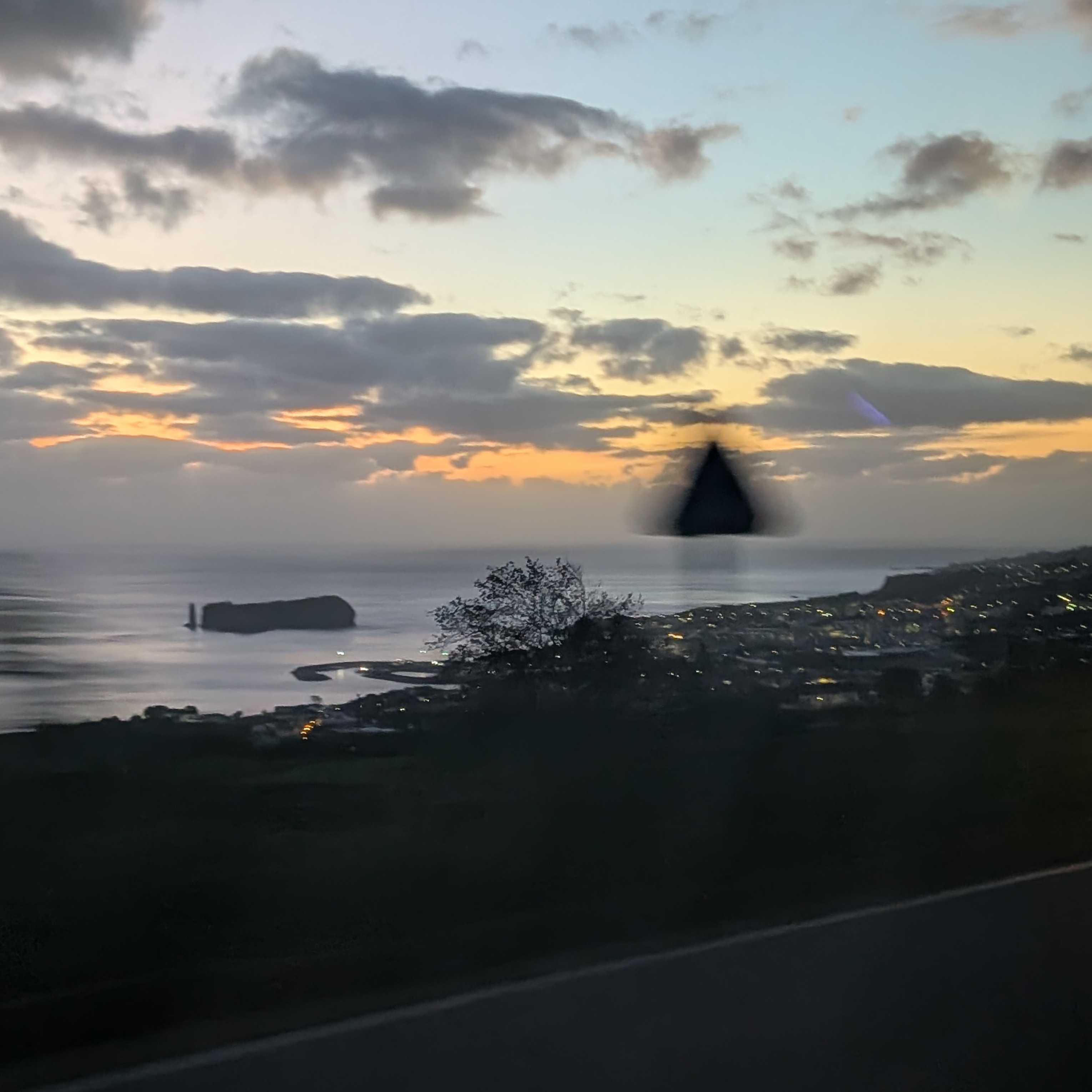
Hitchhiking
After a week, I left the isolated green island. Lush and alive but alone in the middle of the ocean.