Santander
Santander surprised me with the amount of weird buildings. For example, the menacing blocky palace. Was the prototype built in Minecraft?
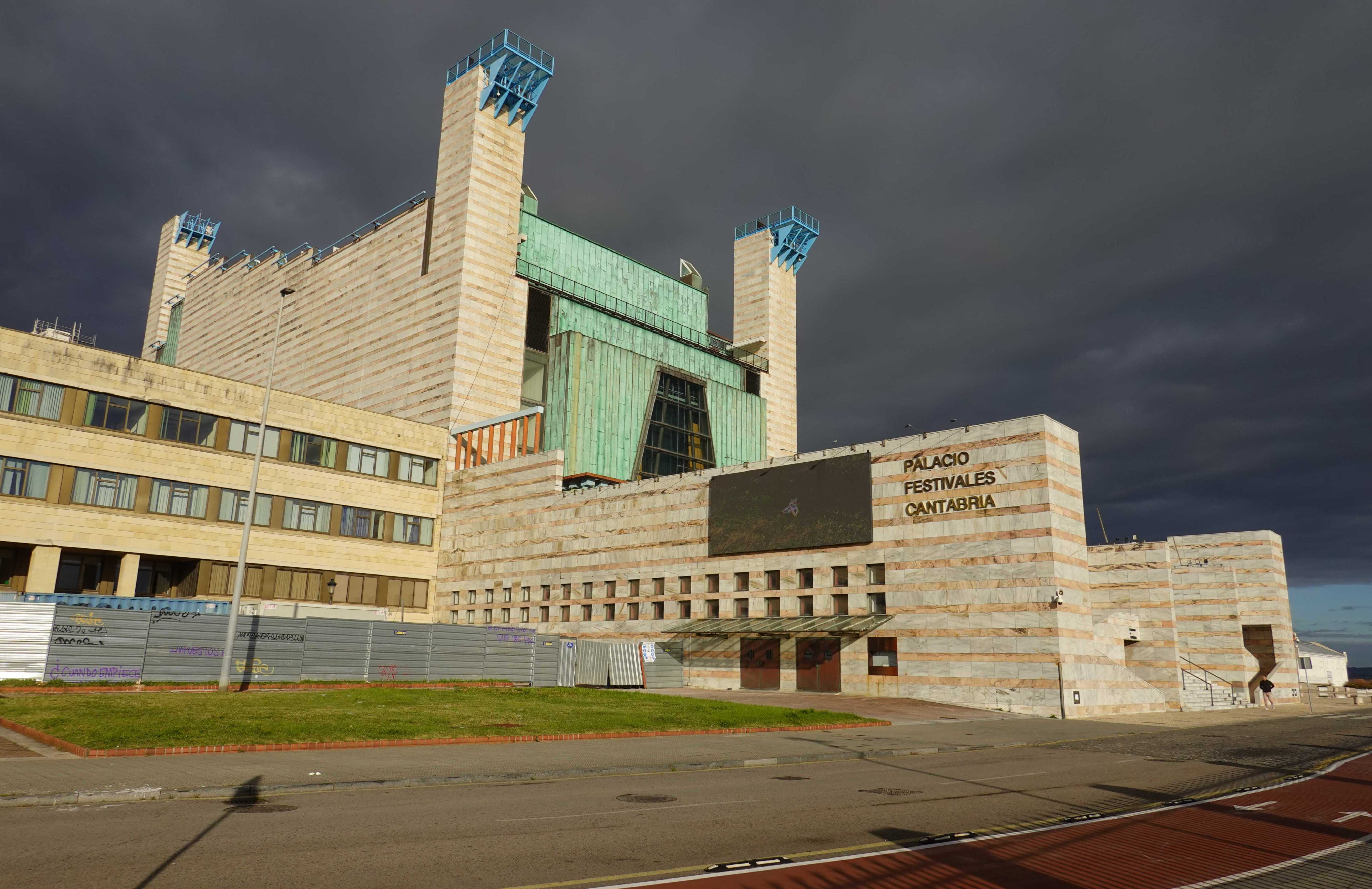
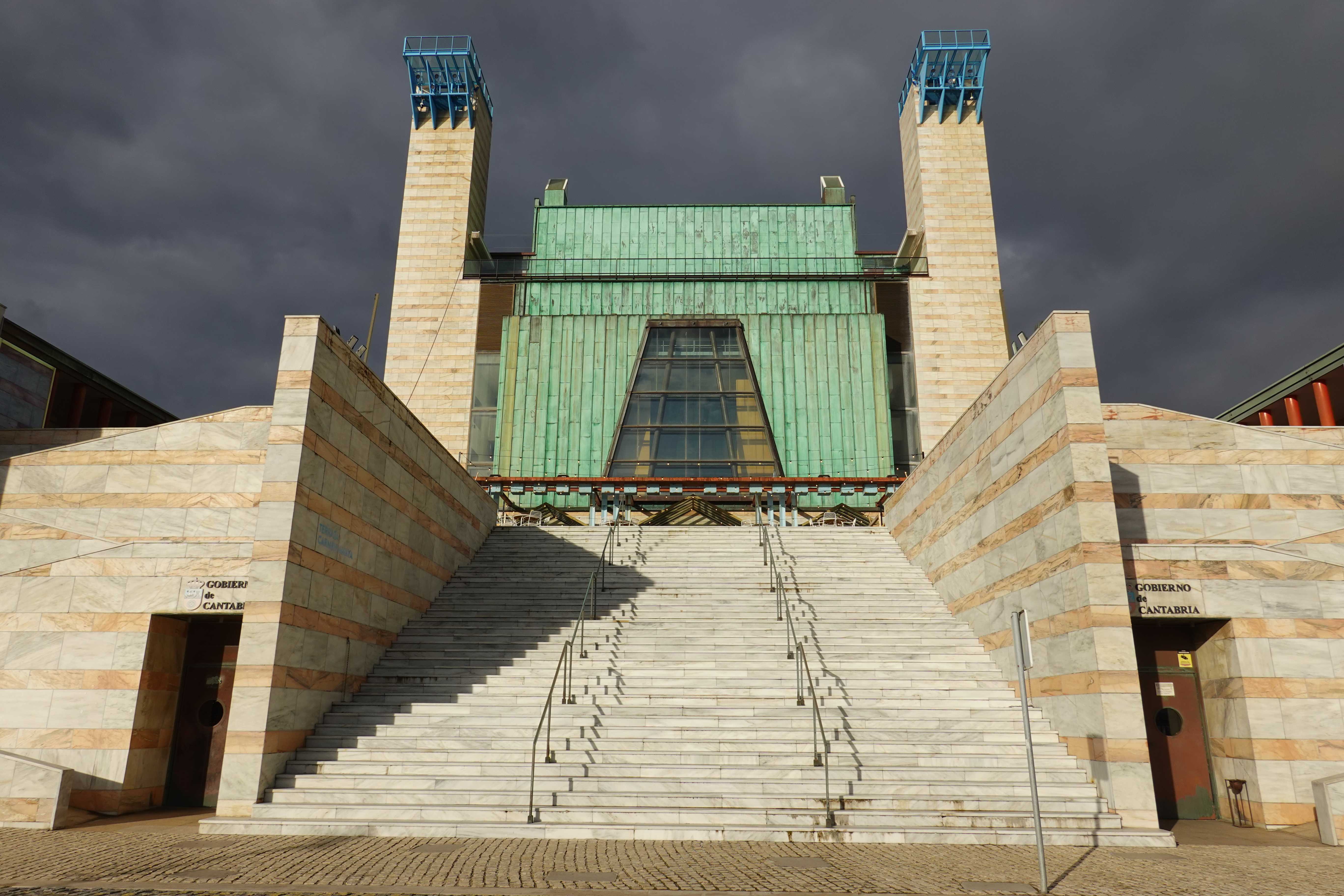
Palacio de Festivales de Cantabria
The steel dome structure turned out to be the University of Cantabria. An engine outside completes the sophisticated contraption vibe.
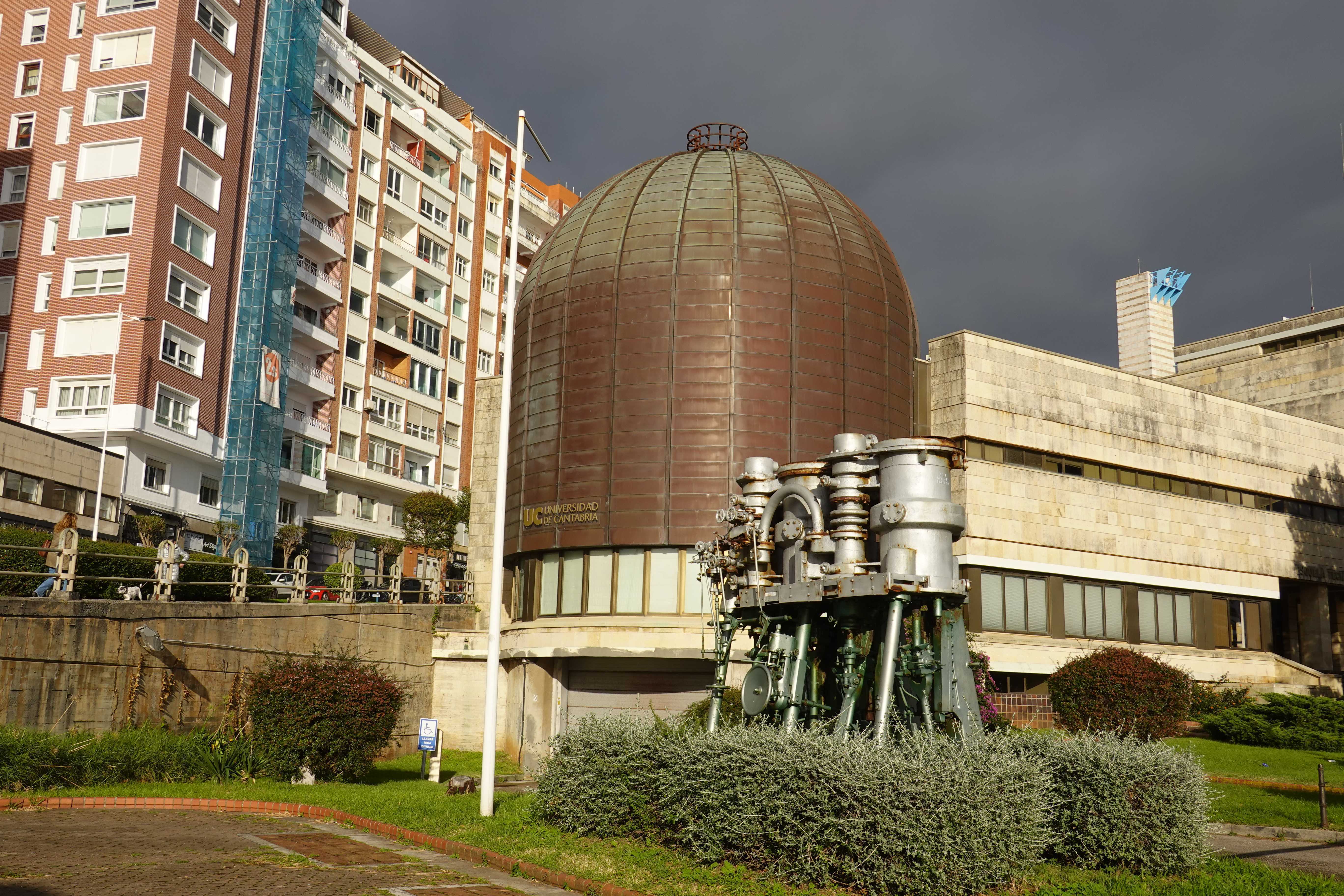
University of Cantabria
Examples of absurd architecture are also found among less important buildings. It’s as if arbitrary transformations are applied to otherwise ordinary buildings.
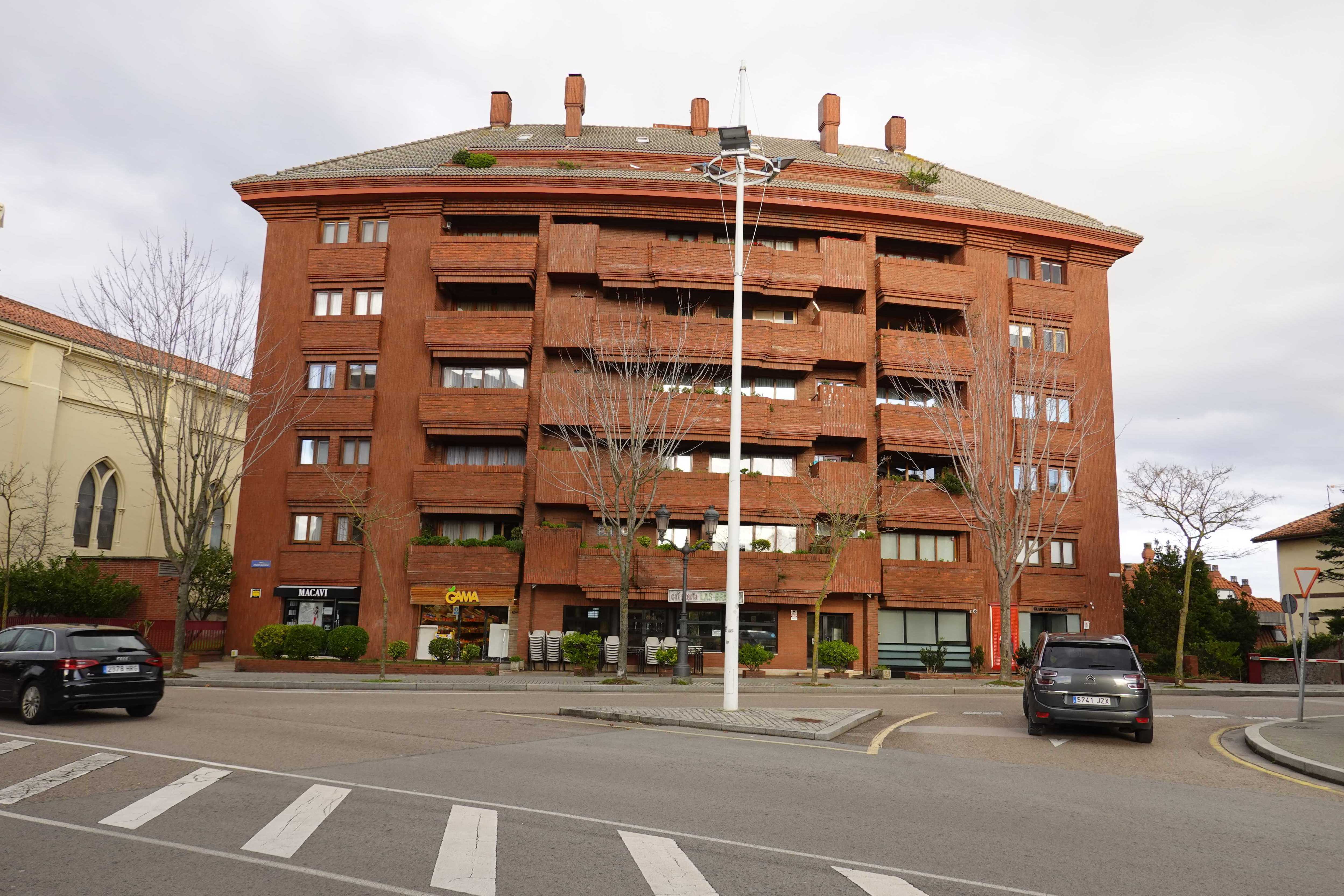
Bend
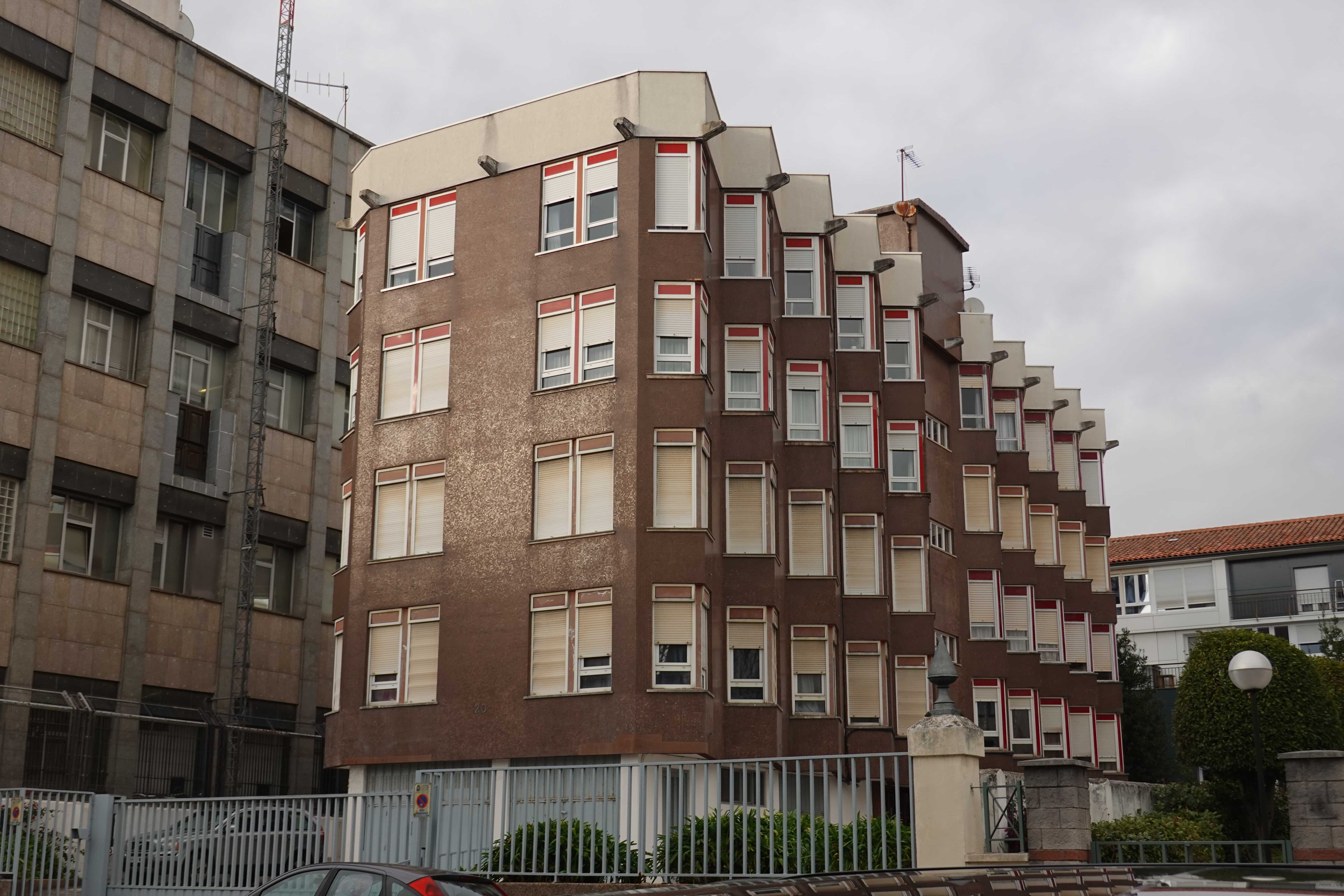
Wall jag

Roof jag
Another unusual feature: street escalators are very common. The city is hilly, but some of them aren’t even on particularly steep streets.
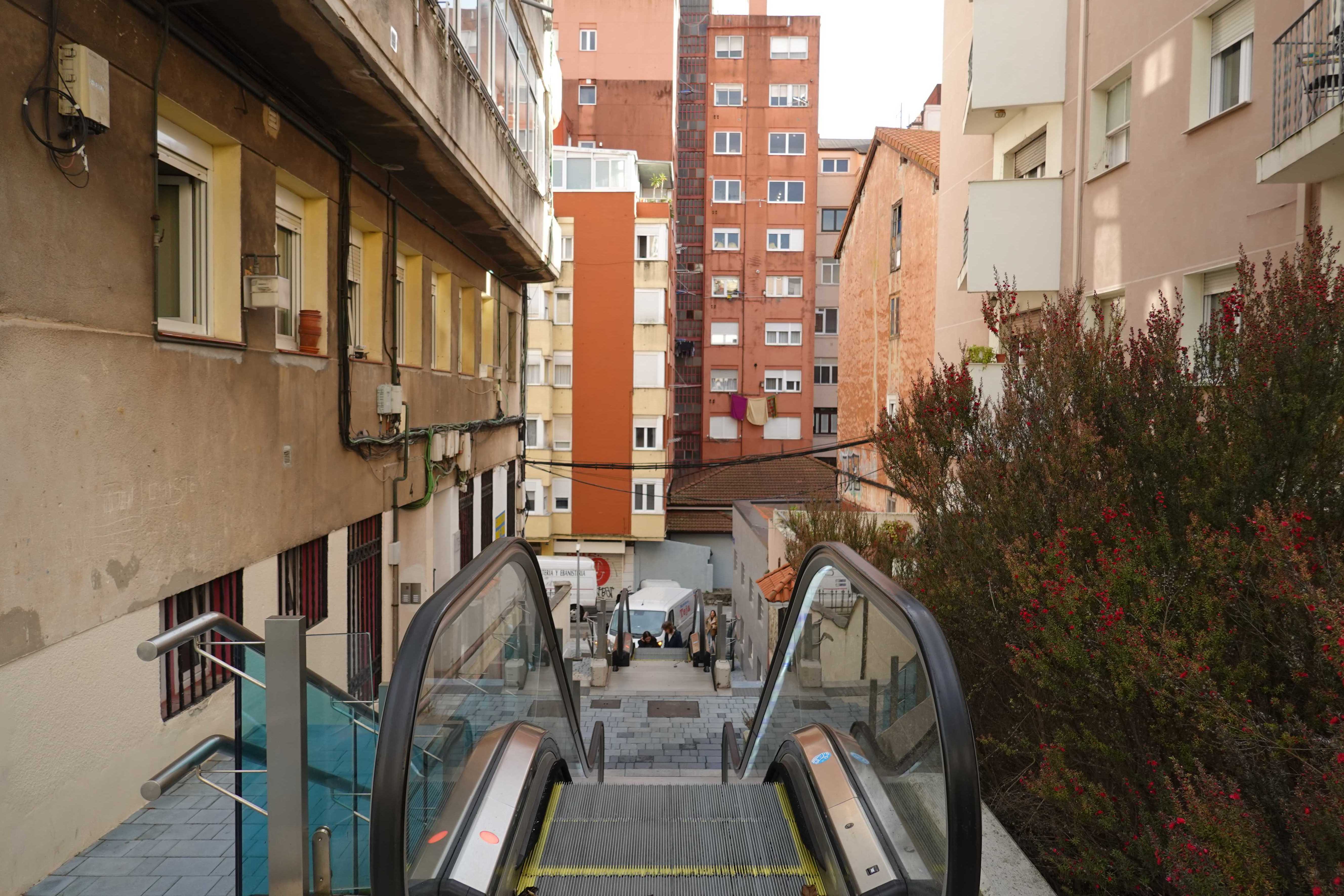
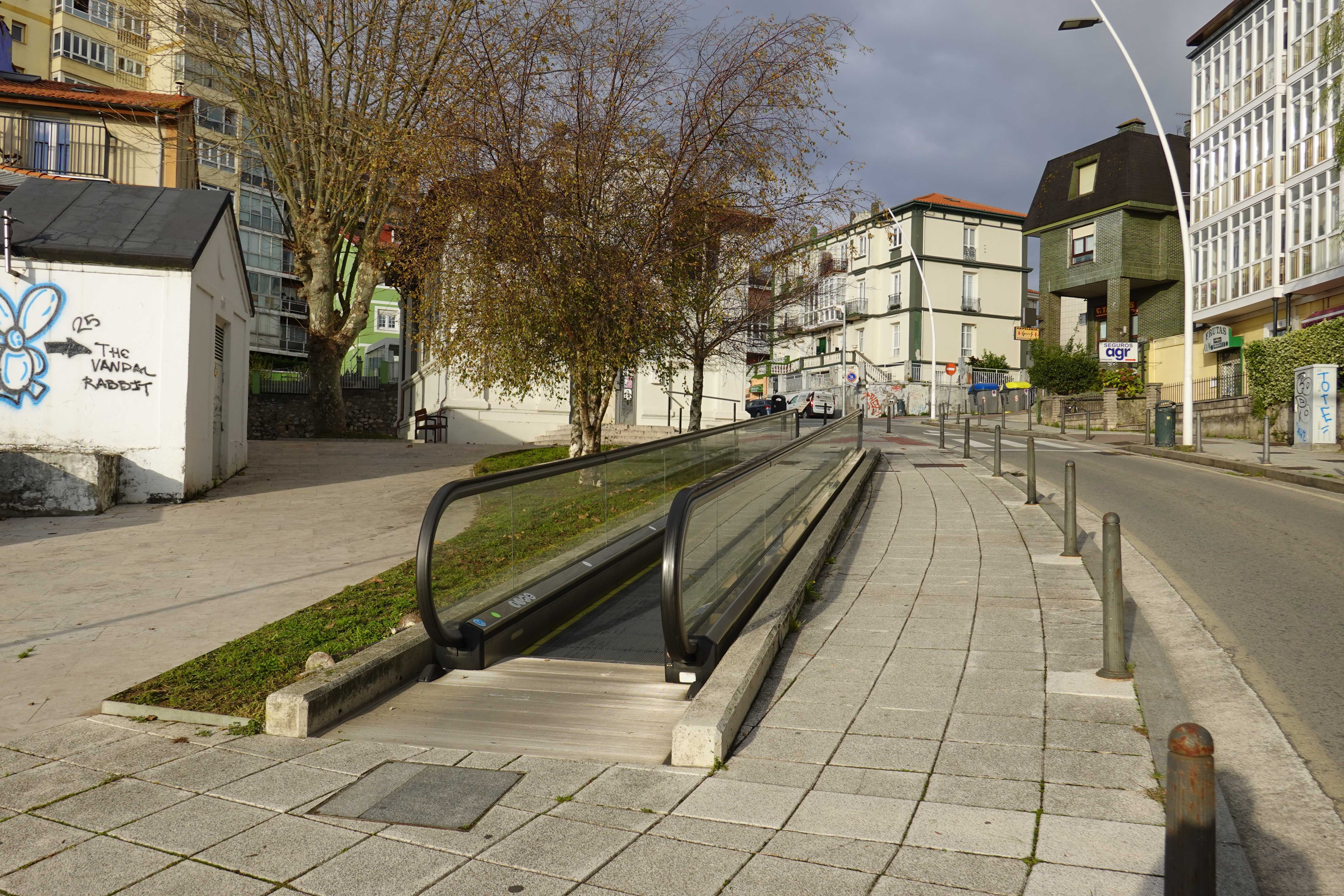
Escalators
The city centre is more conventional. Not many old buildings are left after the devastating fire in 1941. Much of it was rebuilt and looks classy. Glassed balconies are an iconic feature.
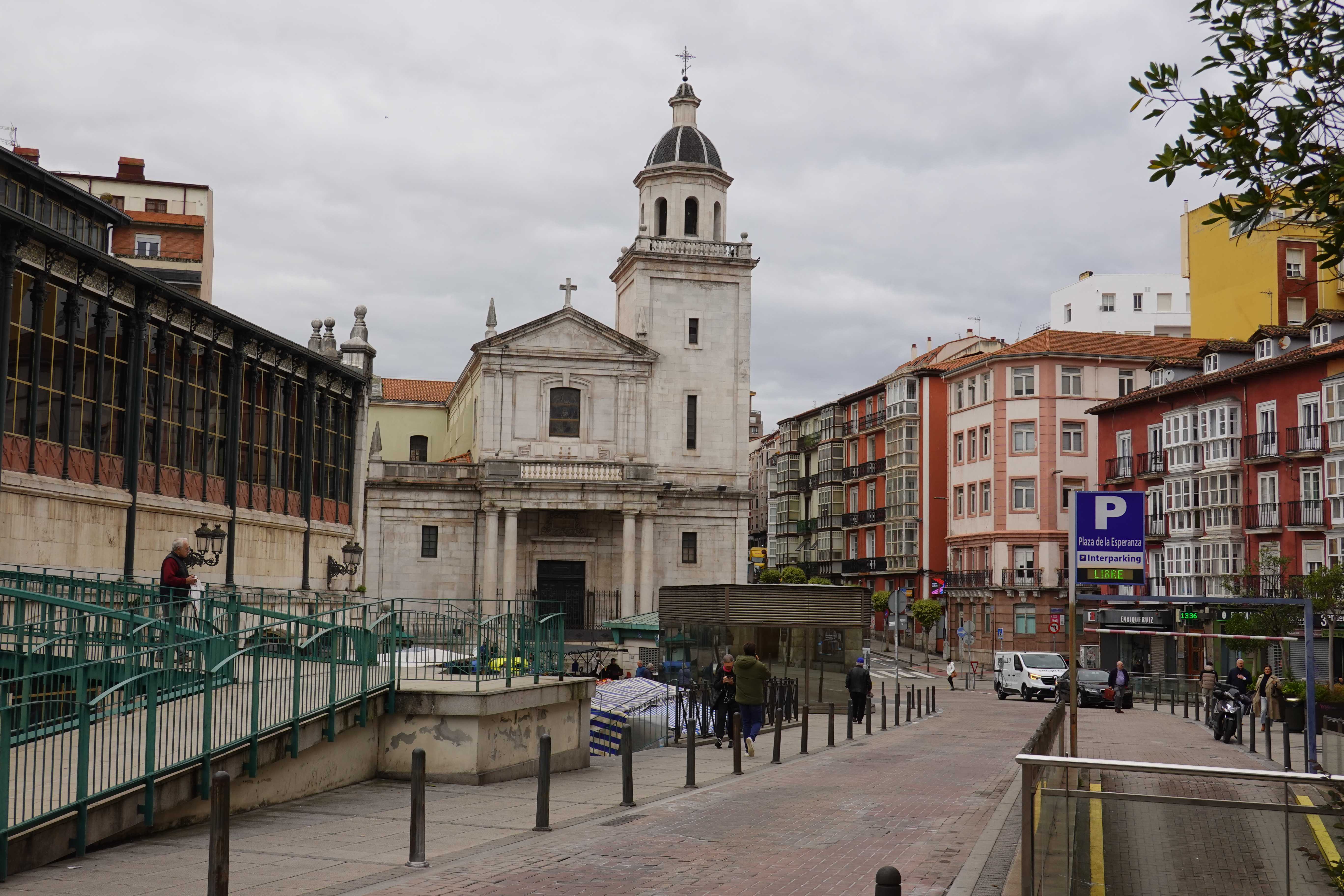
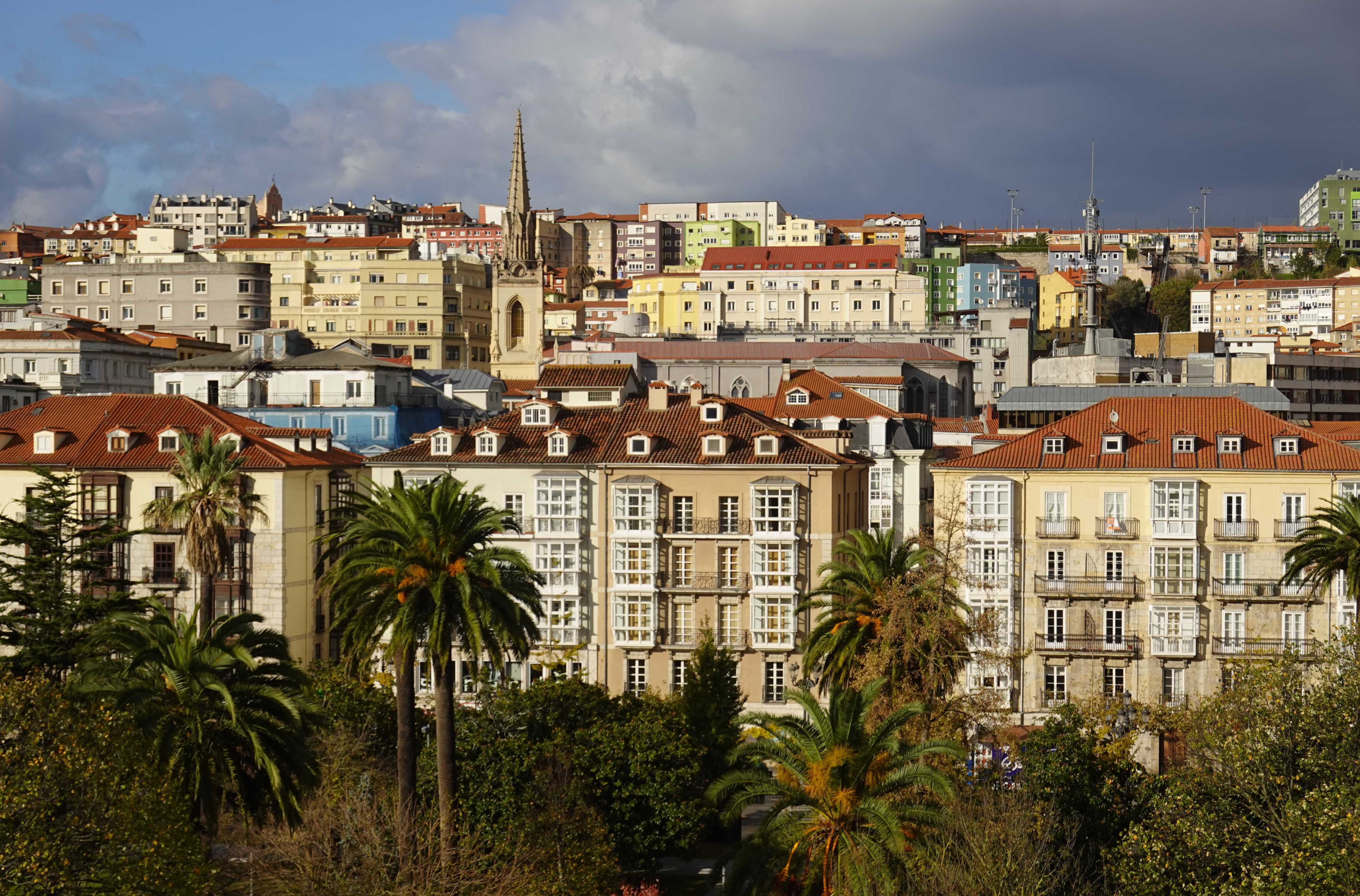
City centre
At the waterfront, the round lifebuoys face the cylindrical street bins.
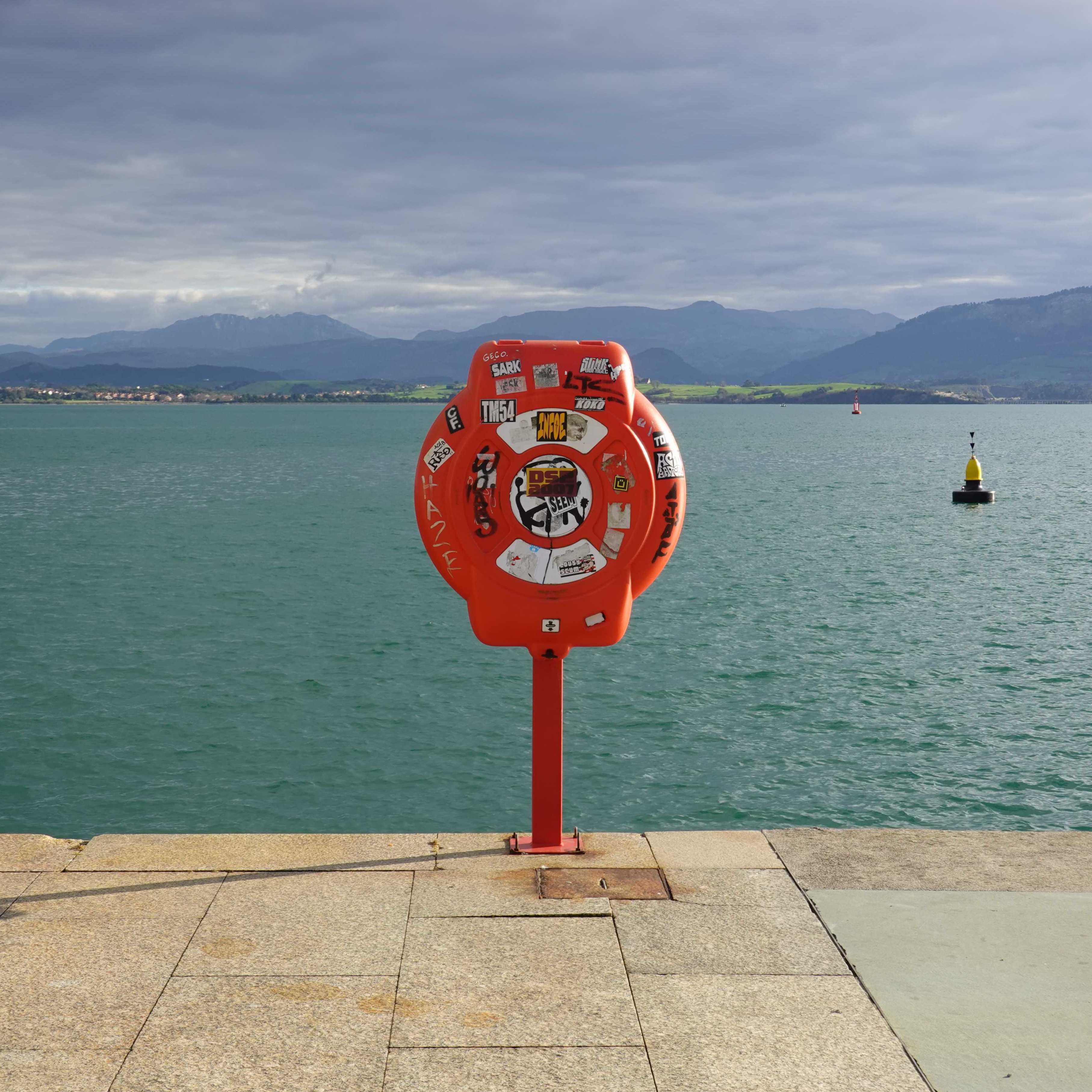
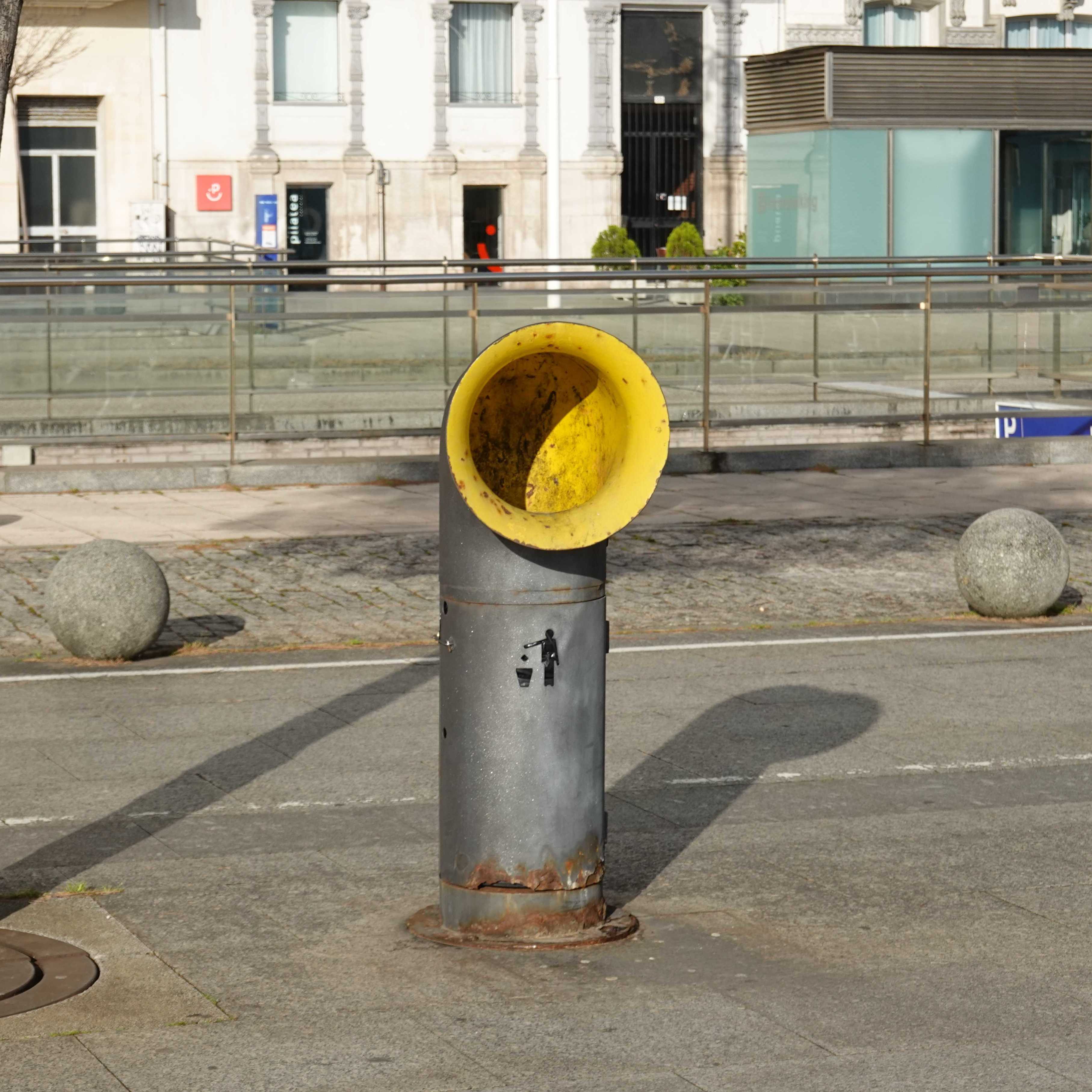
Waterfront
A contemporary structure hovers over the bay: Centro Botín, an arts centre.
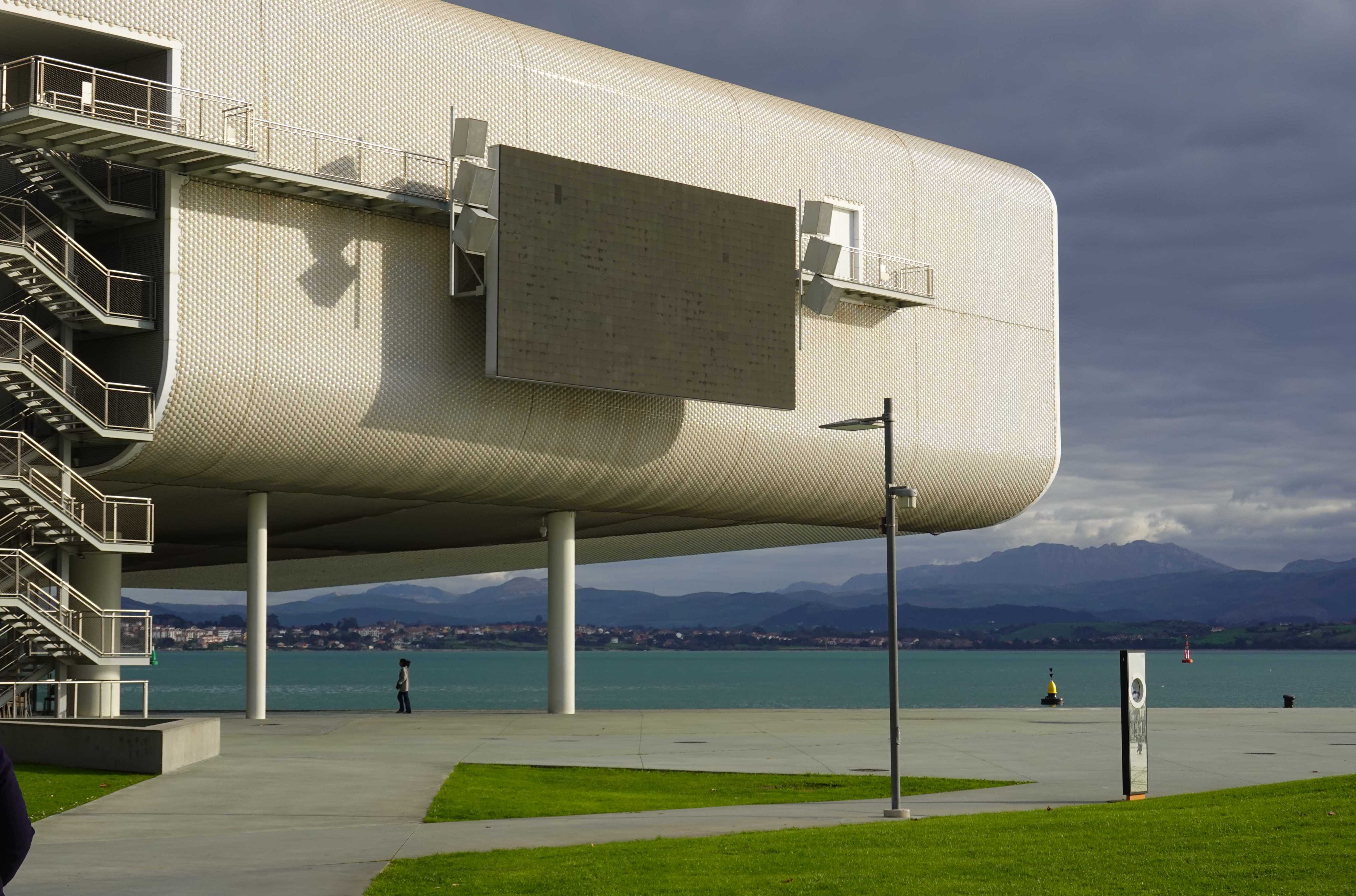
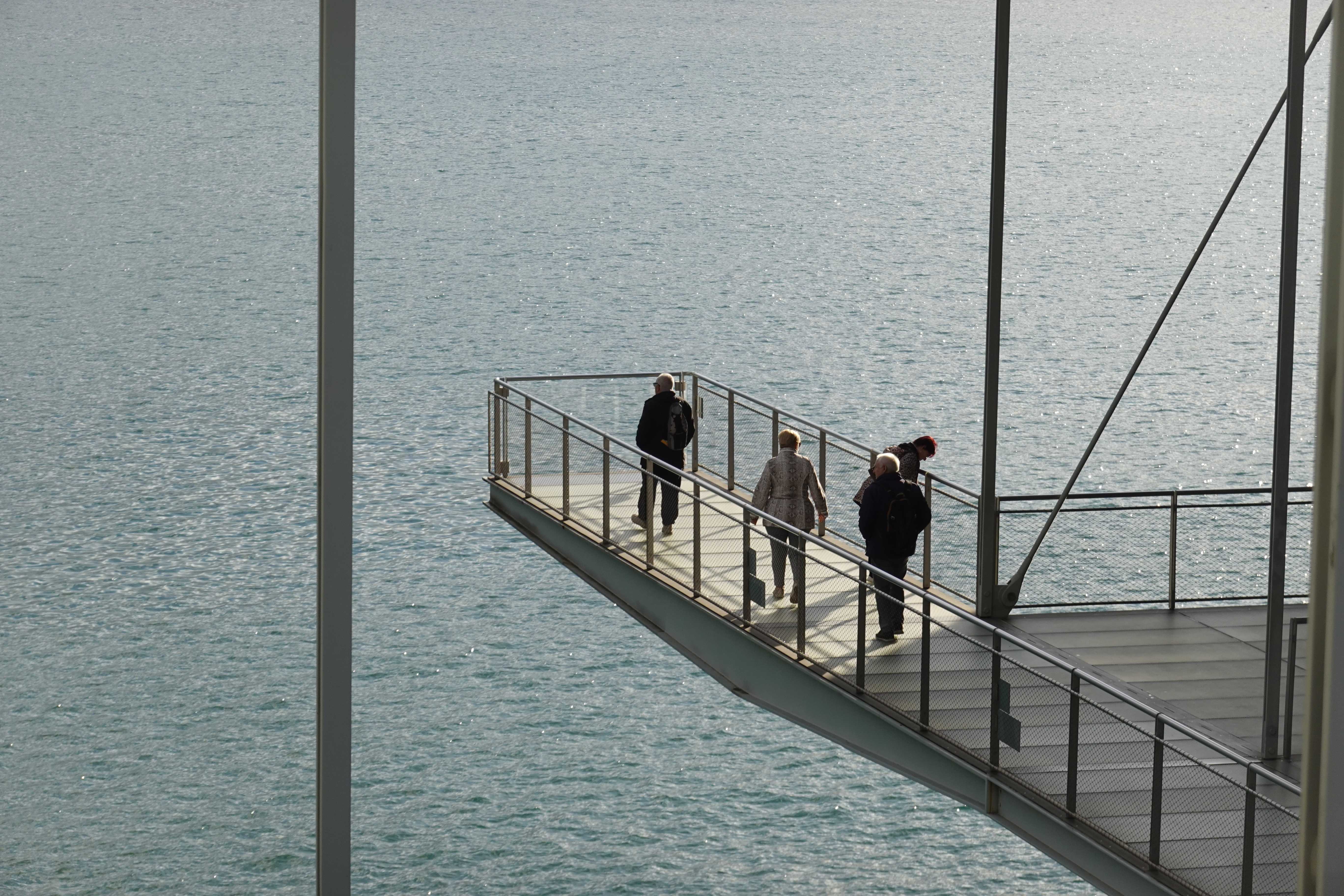
Centro Botín
Another pretty building is the Art Nouveau embarkation hall. Fun fact: there are regular passenger ferries from Santander to the UK.
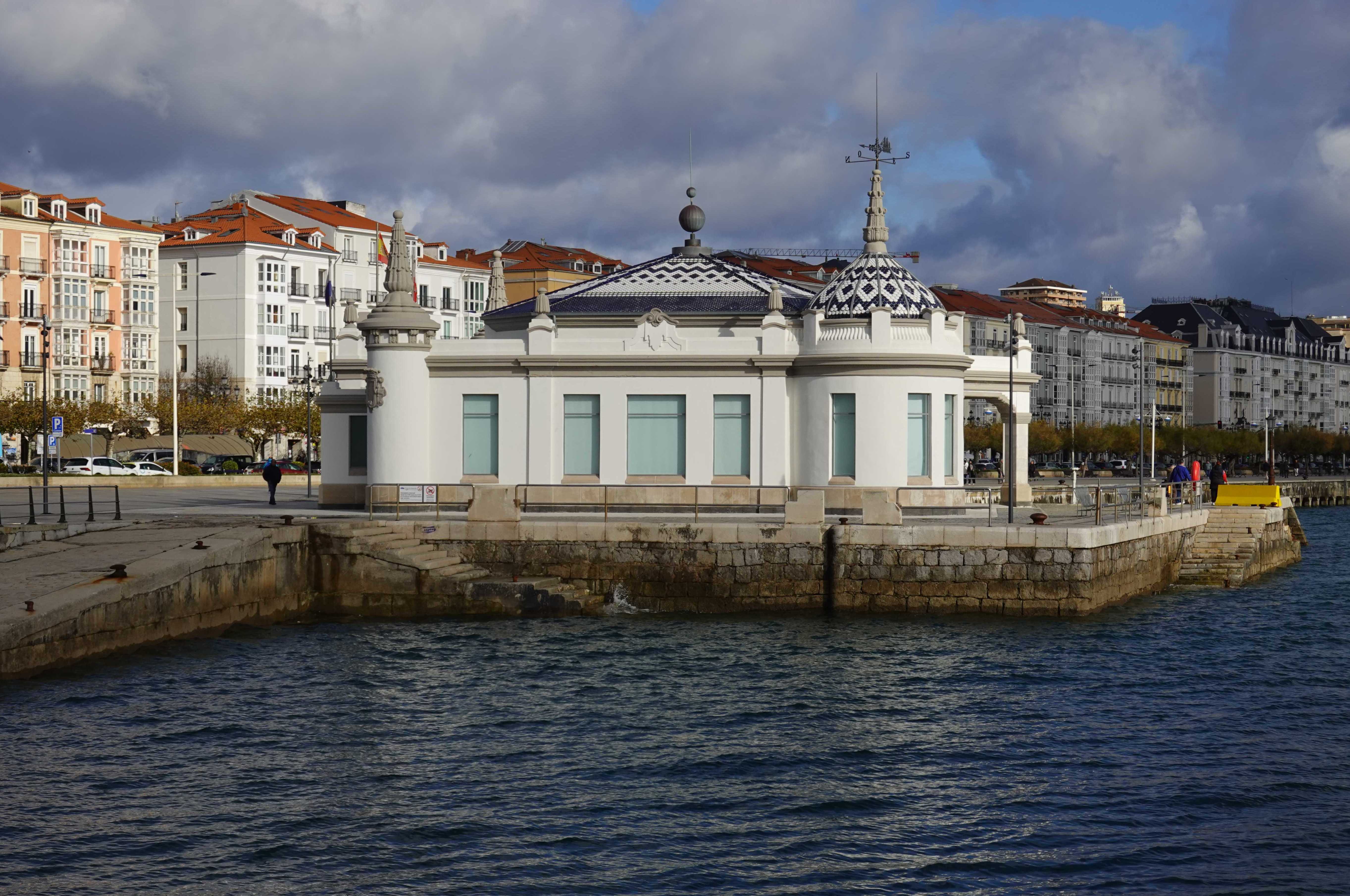
Palacete del Embarcadero
The cliffs along the coastline around Santander are perfect for a walk. Tankers complement the views.
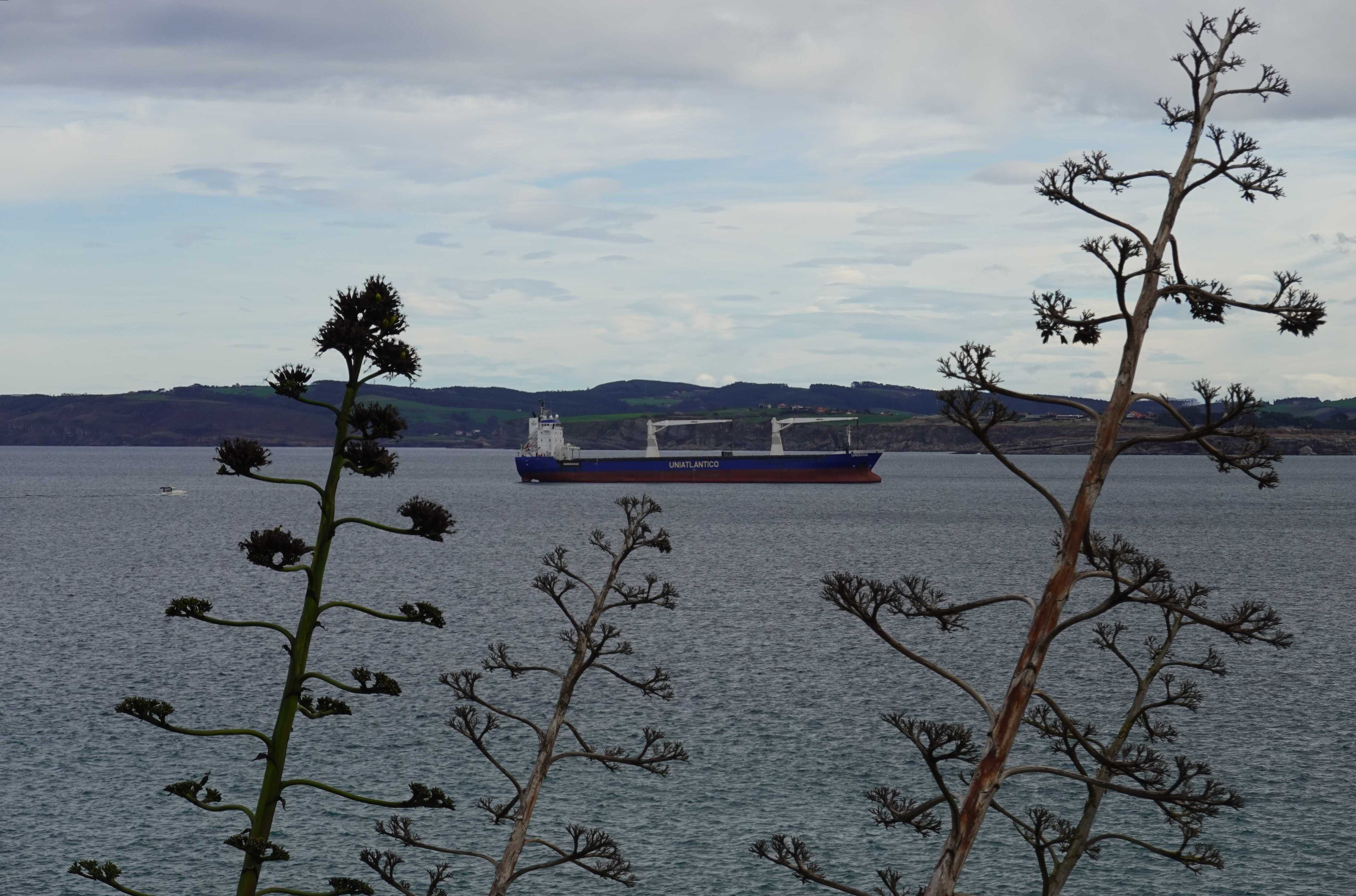
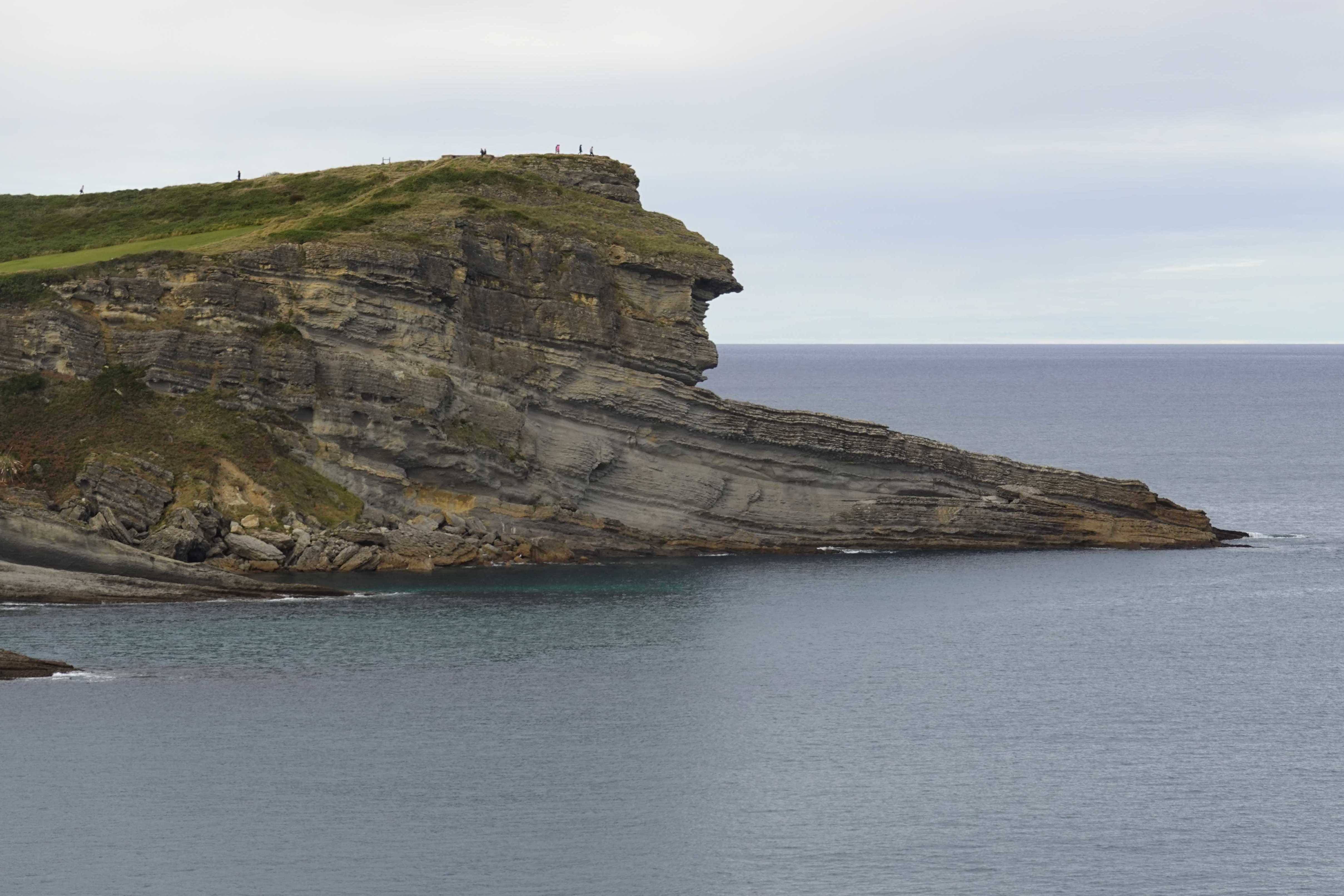
Could you see a face here?
The beach has a nice colour palette, whether it’s sunny or not.
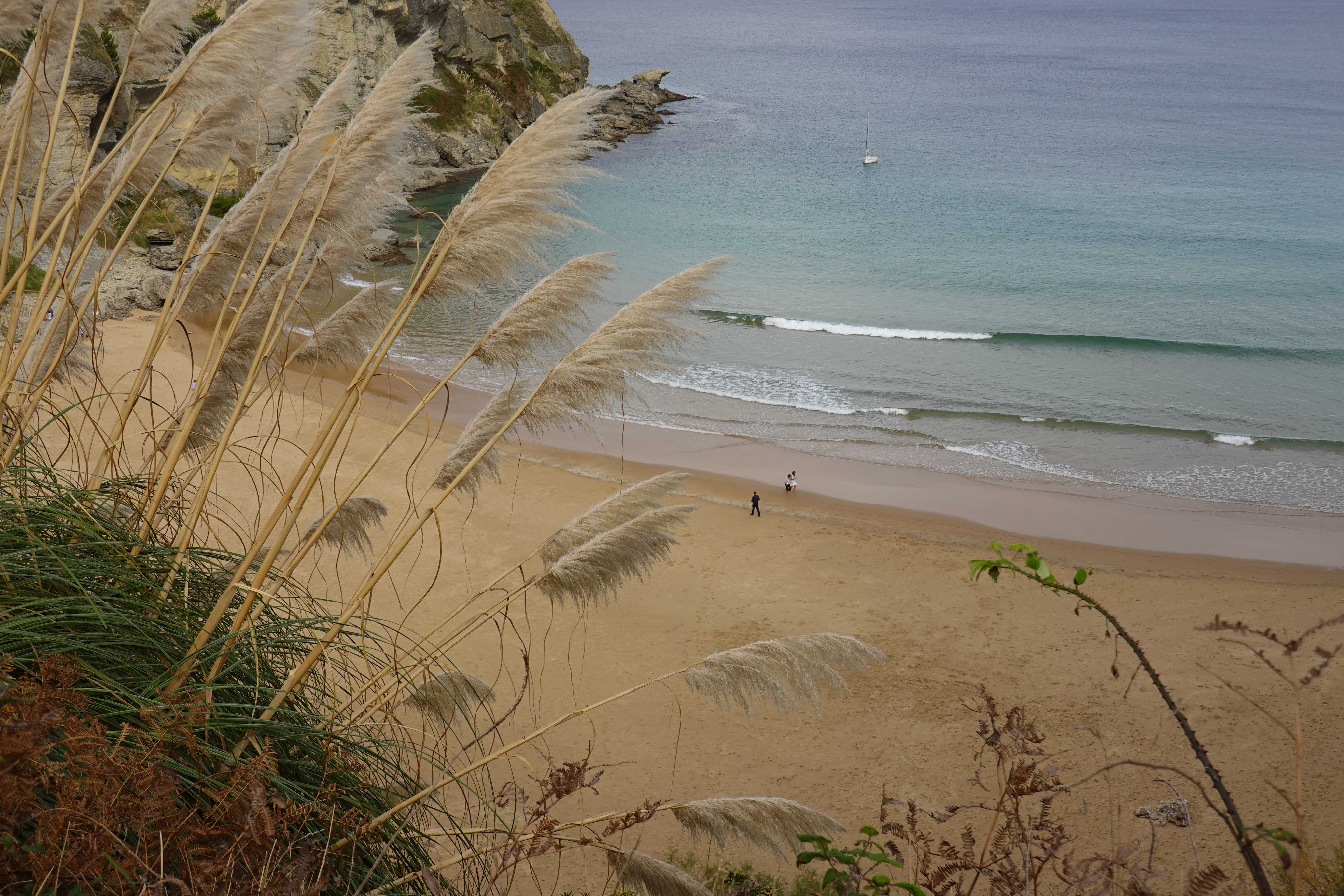
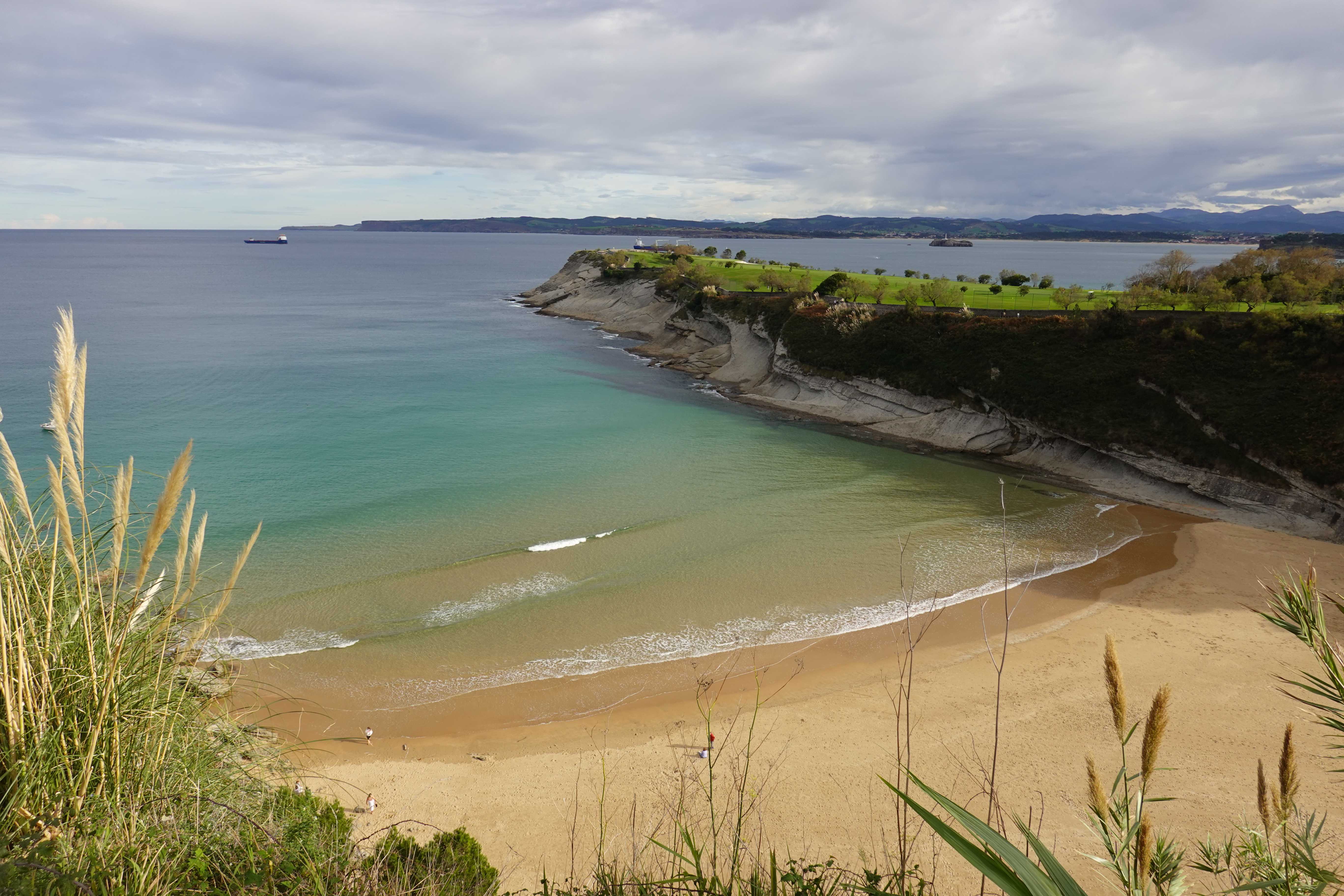
Playa de Mataleñas
Northern Spain is known to be very green.
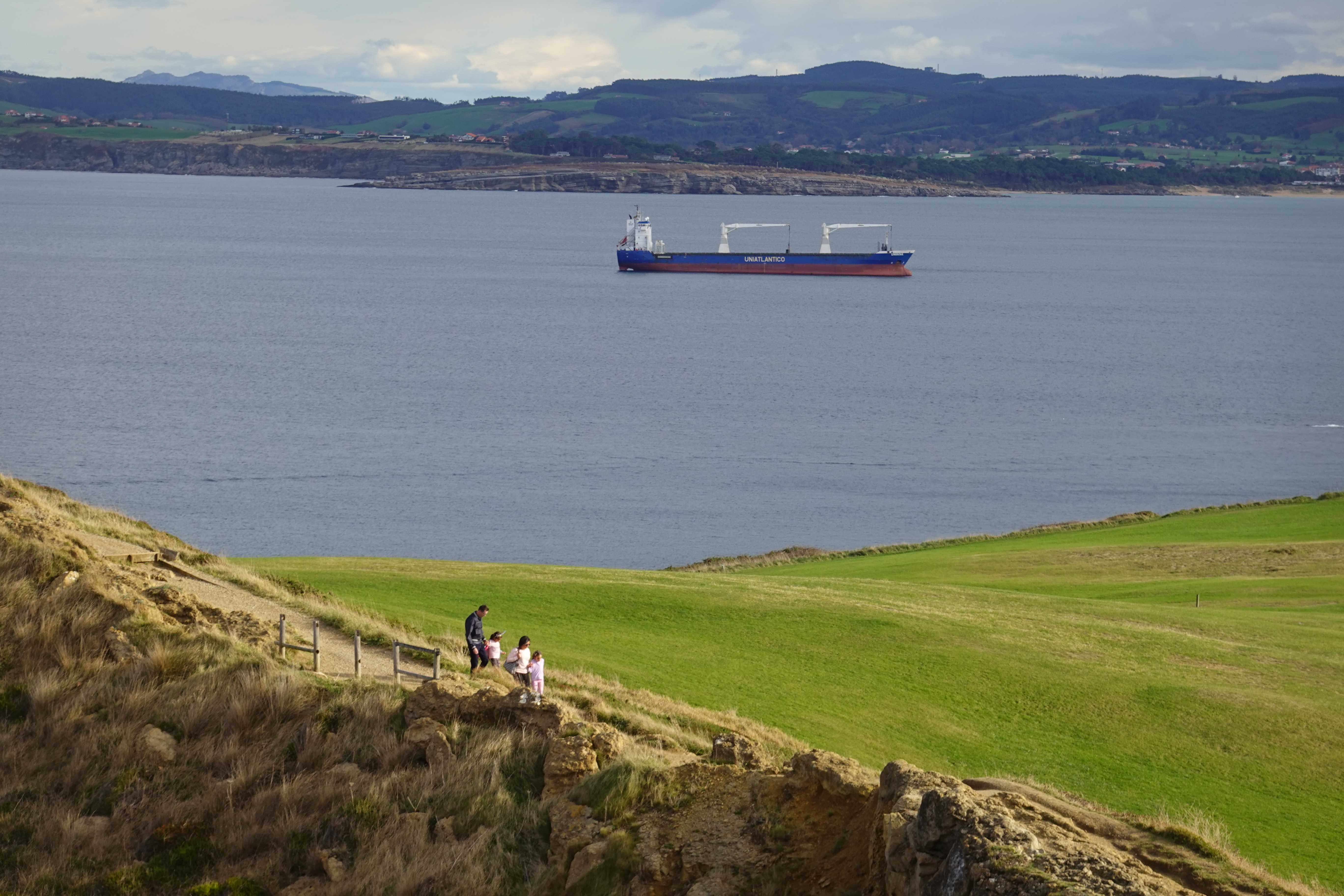
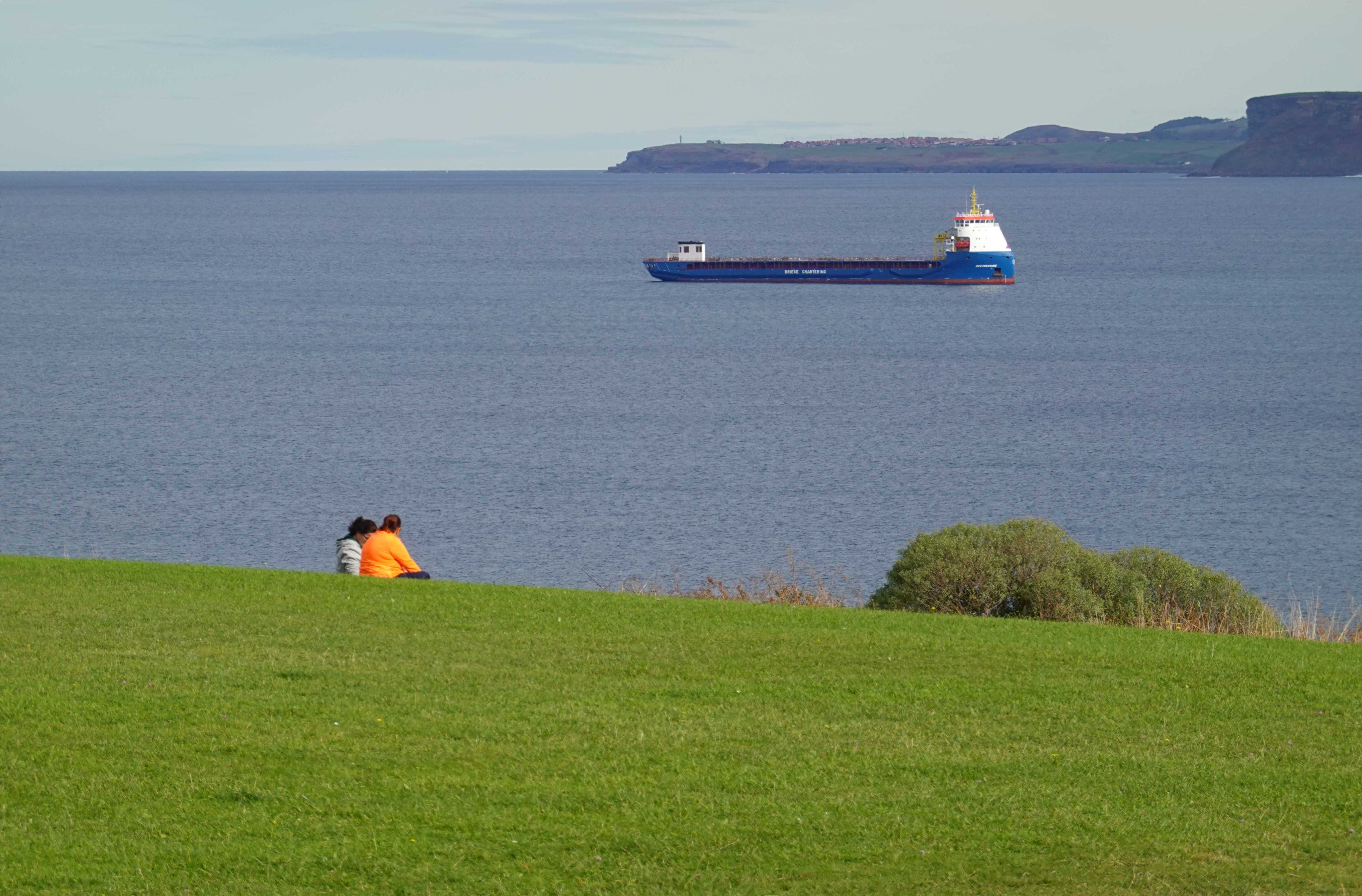
Green hills and tankers
Further along the coast, a desolate grey Civil War monument stands against the endless sea. Erected during Franco’s era, the monument commemorated the fallen Nationalist soldiers. Later, the Francoist symbols were removed, yet it still stands. Who does it commemorate now? What ends when the symbols shatter?
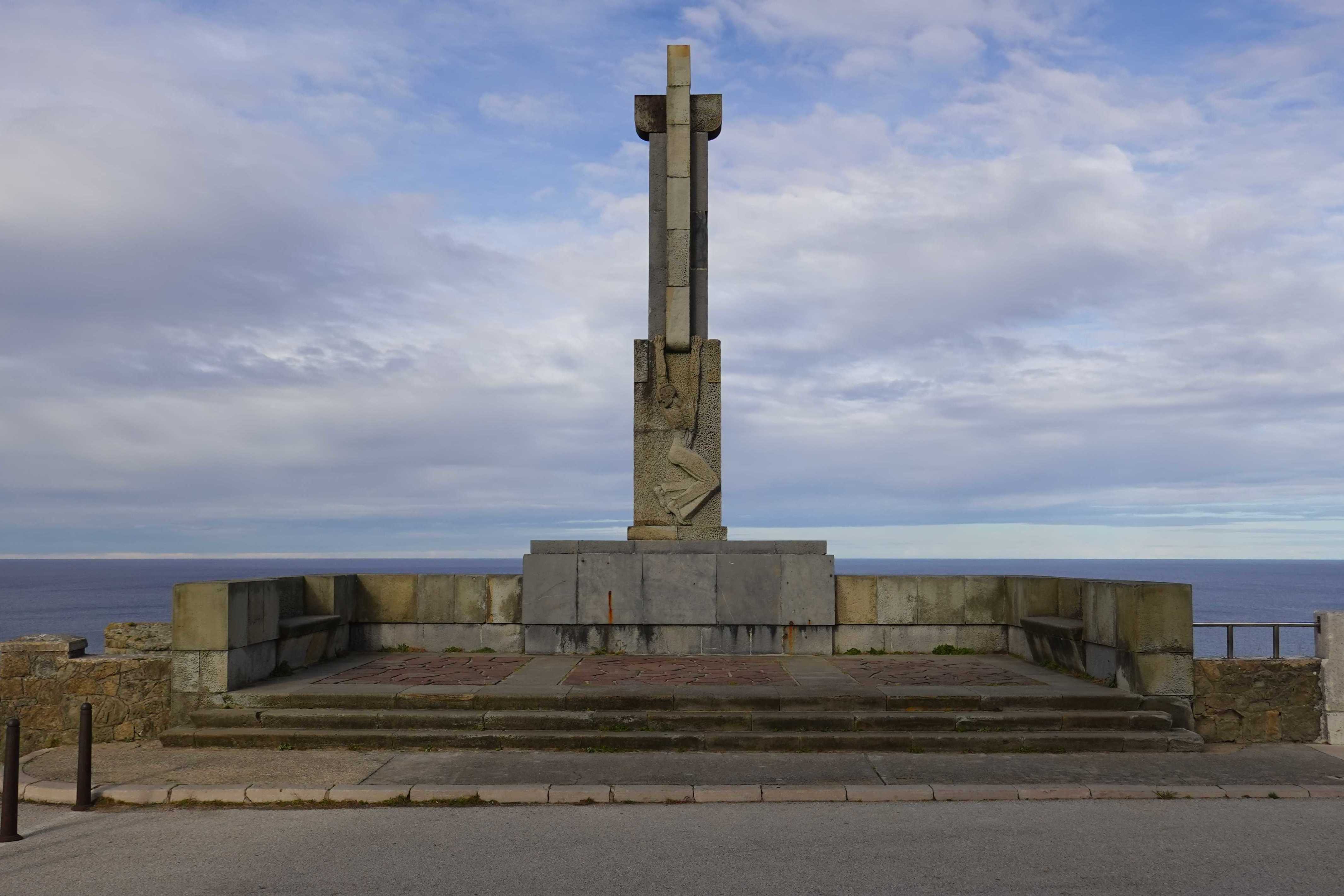
Monumento a los Caídos